
(What will be mentioned in this article is for advice and is not a substitute for consulting a doctor)
New Cholesterol Research Highlights Potential Drug Alternative as Scientists Uncover How High Cholesterol Weakens Liver Defenses
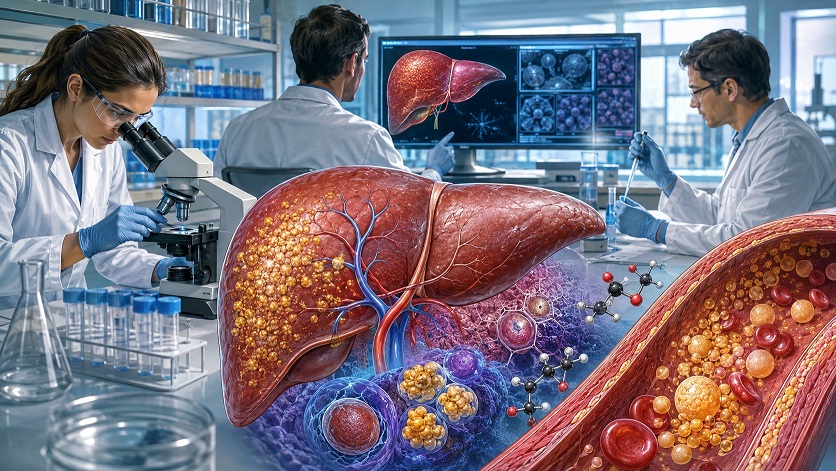
Key Points
Researchers reported new findings showing that high cholesterol can impair the liver's natural defenses against disease.
A study published in Nature identified a biological mechanism linking cholesterol buildup to weakened liver immune function.
Scientists also reported progress on a potential cholesterol-lowering drug that could offer an alternative to statins for some patients.
The experimental treatment targets cholesterol regulation through a different biological pathway than traditional statin medications.
The findings could help researchers develop new strategies for managing cholesterol and reducing associated health risks.
advertisement
New research published in Nature (nature.com) and highlighted by recent reports from Medical Xpress (medicalxpress.com) and CBS19 News (cbs19news.com) is providing scientists with new insights into how elevated cholesterol levels affect the body while also pointing toward a potential alternative treatment approach for controlling cholesterol.
The studies arrive as cardiovascular disease remains one of the leading causes of death worldwide, with high levels of low-density lipoprotein (LDL), often referred to as "bad" cholesterol, recognized as a major risk factor. While statins remain the most widely prescribed cholesterol-lowering drugs, researchers continue searching for additional treatment options for patients who cannot tolerate statins or who require further cholesterol reduction.
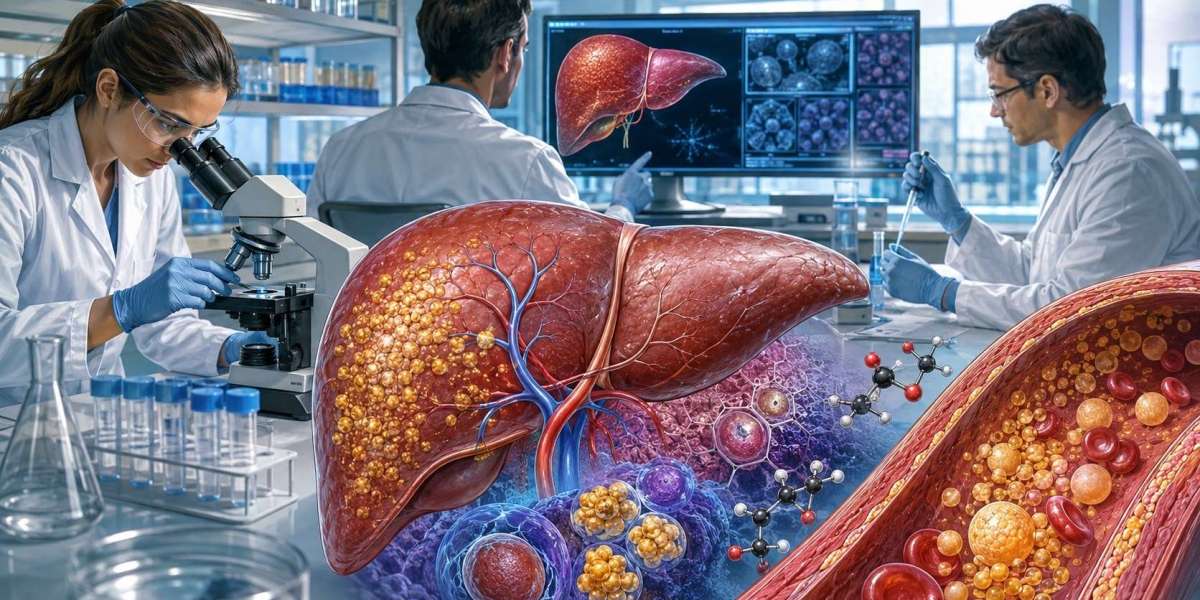
One of the most significant findings reported this week concerns the effect of high cholesterol on the liver's ability to defend itself against disease. According to the research published in Nature, excess cholesterol does more than accumulate in tissues and blood vessels. Scientists found evidence that elevated cholesterol levels can interfere with important protective mechanisms inside the liver.
The study examined how cholesterol buildup affects specialized immune responses within the organ. Researchers observed that excessive cholesterol altered biological processes that normally help the liver respond to injury and disease. As cholesterol accumulated, protective cellular functions became impaired, weakening the liver's natural defensive capabilities.
The findings help explain why high cholesterol has been associated with a range of liver-related health problems. Rather than acting solely as a cardiovascular risk factor, cholesterol appears capable of influencing the immune and protective systems that help maintain liver health.
Researchers described the mechanism as a process in which cholesterol accumulation effectively dismantles some of the liver's defense systems. The discovery provides a clearer picture of how metabolic disorders can trigger broader health consequences beyond the circulatory system.
Scientists involved in the research said the findings could open new avenues for therapeutic development. By identifying the biological pathways affected by cholesterol buildup, researchers may be able to design treatments aimed at preserving or restoring liver defenses while also addressing cholesterol levels.
At the same time, a separate line of research reported by CBS19 News has drawn attention to a potential new cholesterol-lowering treatment that could complement or provide an alternative to statin therapy.
Statins have been a cornerstone of cholesterol management for decades because they reduce the liver's production of cholesterol and have been shown to lower the risk of heart attacks and strokes. However, some patients experience side effects that limit their ability to use these medications, while others may not achieve desired cholesterol reductions with statins alone.
The newly reported experimental approach works through a different biological mechanism than traditional statin drugs. Rather than targeting cholesterol production in the same manner as statins, researchers focused on another pathway involved in regulating cholesterol levels within the body.
According to the report, the treatment demonstrated an ability to help control cholesterol levels in research settings. Scientists suggested that the approach may eventually provide an additional option for patients who need alternative therapies or combination treatments.
Researchers emphasized that the work remains part of an ongoing scientific process. Additional studies will be required to evaluate long-term effectiveness, safety, dosing strategies, and potential clinical applications before any new therapy could become widely available.
The convergence of these findings highlights a broader trend in cholesterol research. Scientists are increasingly examining cholesterol not only as a contributor to cardiovascular disease but also as a factor that influences immune responses, organ function, and overall metabolic health.
The liver plays a central role in cholesterol regulation. It produces cholesterol, removes excess cholesterol from circulation, and helps maintain lipid balance throughout the body. Because of this central role, disruptions caused by elevated cholesterol can have widespread effects.
The Nature study offers a deeper understanding of those disruptions by identifying how cholesterol accumulation affects the liver at a cellular level. Meanwhile, the experimental drug research demonstrates that scientists continue exploring new methods to manage cholesterol when existing treatments may not fully meet patient needs.
Together, the findings underscore the complexity of cholesterol biology. The molecule remains essential for normal cell function, hormone production, and other physiological processes. Problems arise when cholesterol levels become excessively elevated or when the body's regulatory systems are disrupted.
For patients and healthcare providers, the latest research does not change current treatment recommendations. Statins and other approved cholesterol-lowering therapies remain the established standard of care. However, the new findings may help guide future treatment development and improve scientific understanding of cholesterol-related disease.
Researchers noted that continued investigation will be necessary to determine how the newly identified liver-defense mechanisms operate in different patient populations and whether they can be targeted therapeutically. Similarly, further development of the experimental cholesterol-lowering drug will be needed before researchers can determine its role alongside existing medications.
As scientists continue to explore the biological effects of cholesterol throughout the body, the latest studies provide fresh evidence that cholesterol influences far more than cardiovascular health alone. The discoveries may ultimately contribute to more precise therapies aimed at protecting both the heart and vital organs such as the liver while improving long-term health outcomes for patients with elevated cholesterol.
Key Points Summary
High cholesterol may weaken important protective mechanisms within the liver.
Researchers identified biological pathways linking cholesterol buildup to impaired liver defenses.
Scientists are developing a potential alternative cholesterol-lowering treatment that works differently from statins.
The experimental therapy could eventually expand treatment options for some patients.
More research is needed before the new approach can be considered for routine clinical use.
What This Means
Why it matters:
The research expands scientific understanding of how high cholesterol affects the body beyond cardiovascular disease and may support future drug development.
Who may be affected:
People with elevated cholesterol levels, individuals at risk of cardiovascular disease, patients who cannot tolerate statins, and healthcare professionals monitoring cholesterol-related conditions.
What to watch next:
Future studies examining the newly identified liver mechanisms and additional testing of the experimental cholesterol-lowering drug to assess safety and effectiveness.
advertisement
Frequently Asked Questions (FAQ)
What did researchers discover about cholesterol and the liver?
Researchers found that high cholesterol can interfere with biological mechanisms that help protect the liver, potentially weakening its natural defenses against disease and injury.
Was the research published in a scientific journal?
Yes. The primary research was published in Nature.
Does the new research replace statins?
No. Statins remain the standard treatment for managing cholesterol. The newly reported drug approach is still being studied.
Why are scientists looking for alternatives to statins?
Some patients experience side effects or may need additional cholesterol reduction beyond what statins provide. Researchers are exploring other treatment options to address these needs.
Is the new cholesterol drug available now?
Based on the information reported in the provided sources, the treatment remains under investigation and is not yet established as a widely available therapy.
Why is cholesterol important?
Cholesterol is essential for normal body functions, including cell structure and hormone production. Health risks increase when cholesterol levels become excessively high.
Sources
Disclaimer:
What is mentioned in this article is for advice and is not a substitute for consulting a doctor
Thank you !