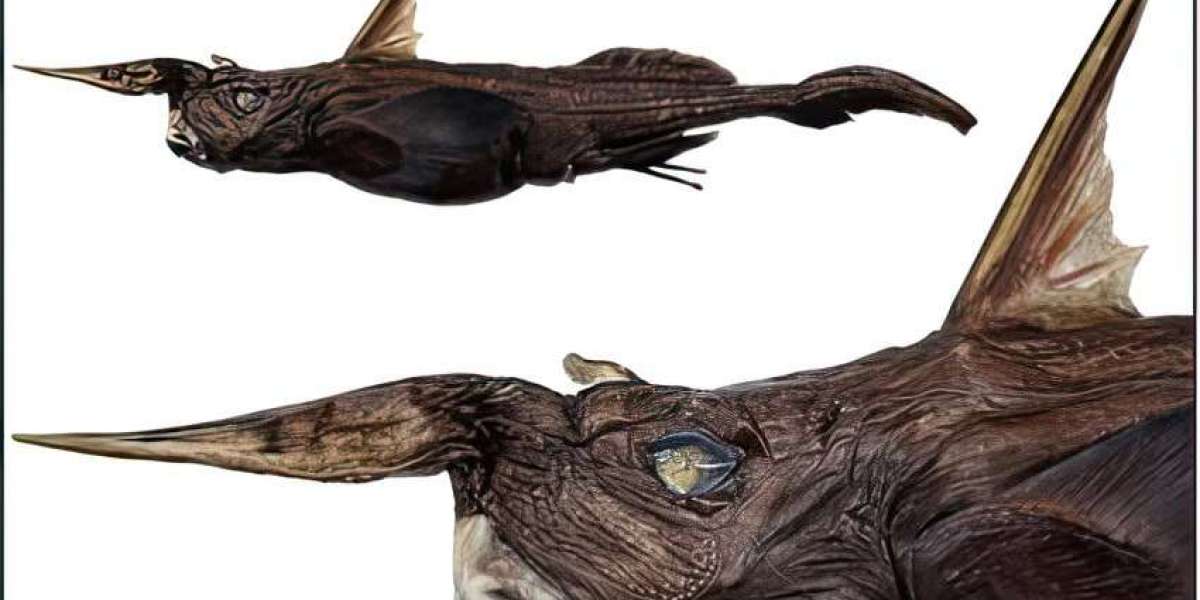

article Image source: Zootaxa (Link)
Scientists Discover New “Ghost Shark” Species in Costa Rica’s Deep Waters
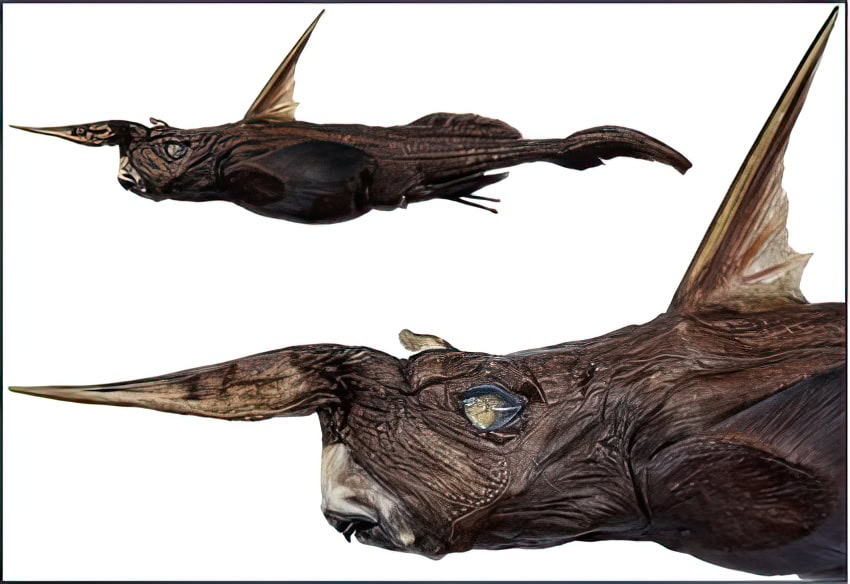
Image source: Zootaxa
Key Points
Scientists have officially identified a new deep-sea species named Rhinochimaera costaricana in the Pacific waters off Costa Rica.
The species belongs to the mysterious group of cartilaginous fishes known as chimaeras, often called “ghost sharks.”
Researchers analyzed three specimens collected between 2000 and 2023 at depths of 390 to 787 meters.
Morphological measurements and DNA analysis confirmed the fish is distinct from all previously known members of its genus.
The discovery highlights how much of the deep ocean remains unexplored and underscores the importance of marine biodiversity research.
advertisement
Scientists have identified a previously unknown species of deep-sea fish living in the Pacific waters off Costa Rica, adding a new member to a little-understood group of marine animals commonly known as “ghost sharks.”
The species, officially named Rhinochimaera costaricana, was described in research published on June 10, 2026, in the scientific journal Zootaxa. The discovery resulted from a collaboration involving the University of Costa Rica (UCR), the Costa Rican Fisheries and Aquaculture Institute (INCOPESCA), and Brazil’s Federal University of Pará.
Although often referred to as ghost sharks, chimaeras are not true sharks. They belong to a separate lineage of cartilaginous fishes that are closely related to sharks and rays but evolved along their own path hundreds of millions of years ago. These elusive creatures inhabit deep ocean environments that remain difficult for scientists to study, making new discoveries relatively rare.
Researchers based their description of the new species on three male specimens collected from the Costa Rican Pacific between 2000 and 2023. The fish measured between 775 and 830 millimeters in total length and were recovered at depths ranging from 390 to 787 meters below the ocean surface.
According to the research team, the first specimen was collected near Isla del Caño in 2000, while the other two were recovered in 2023 off Cabo Blanco, Puntarenas during fisheries-related research activities. The specimens were later preserved and studied by scientists seeking to determine whether they represented a species previously unknown to science.
The discovery process involved extensive comparisons with existing members of the Rhinochimaera genus. Until now, scientists recognized only three species worldwide: Rhinochimaera africana, Rhinochimaera atlantica, and Rhinochimaera pacifica.
Researchers examined 49 body measurements from the Costa Rican specimens and compared them with data from more than 90 individuals representing the previously recognized species. The analysis revealed a unique combination of physical characteristics that distinguished the newly discovered fish from its relatives.
Among the most notable differences were a shorter snout, a taller first dorsal fin and spine, a wider gap between the dorsal fins, and fewer tubercles, or small bony structures, along the tail region. Scientists also noted the species’ dark brown coloration and nearly black fins, features that contribute to its distinctive appearance.
Genetic evidence further strengthened the case for recognizing the fish as a separate species. DNA analysis revealed clear genetic differences between the Costa Rican specimens and all previously known members of the genus.
According to the study, the genetic sequences differed by approximately 3.9% from R. africana, 4.5% from R. atlantica, and 4.7% from R. pacifica. Researchers said these differences provide strong support for classifying the fish as a distinct species rather than a regional variation of an already known one.
The scientific effort was led by Naidely Valeria Vidaurre Quesada, a biology student at the University of Costa Rica, who served as the lead author of the study. The broader research team included scientists from UCR, INCOPESCA, and the Federal University of Pará.
As part of the verification process, Vidaurre Quesada traveled to the Natural History Museum in London, where she reviewed historical scientific records and specimens. The examination helped ensure that the fish had not previously been described under another name and confirmed its status as a new species.
The researchers named the species Rhinochimaera costaricana in recognition of Costa Rica, the country where all known specimens were collected.
Scientists say the discovery underscores how much remains unknown about the deep waters of the eastern Pacific Ocean. While coastal ecosystems often receive significant scientific attention, vast regions beyond the continental shelf remain largely unexplored due to the technical challenges and costs associated with deep-sea research.
Advances in genetic analysis, specimen preservation, and ocean exploration technologies are helping researchers uncover marine biodiversity that may have gone unnoticed in previous decades. Species that once appeared similar based solely on physical characteristics can now be distinguished through detailed genetic studies, revealing hidden diversity within ocean ecosystems.
The discovery also highlights the importance of long-term scientific collections. Two of the specimens were originally recovered during fisheries research expeditions and preserved by INCOPESCA before being transferred to the scientific collections of the UCR Museum of Zoology. Without those preservation efforts, researchers may not have had the evidence needed to identify the species.
Marine scientists have long emphasized that deep-sea ecosystems remain among the least understood environments on Earth. New species continue to be discovered in ocean depths around the world, providing valuable insights into evolution, biodiversity, and the ecological processes that sustain life in extreme environments.
For Costa Rica, a country internationally recognized for its biodiversity and conservation efforts, the identification of Rhinochimaera costaricana adds another species to its growing inventory of marine life. Researchers say the finding demonstrates that even in regions already known for rich biodiversity, significant discoveries are still possible.
The researchers hope the discovery will encourage further exploration of deep-sea habitats and support continued investment in marine science. As scientists expand their understanding of these remote ecosystems, additional species may yet be waiting to be identified in the deep waters of the Pacific.
Key Points Summary
New species identified as Rhinochimaera costaricana.
Discovery published in Zootaxa in June 2026.
Three specimens collected between 2000 and 2023.
Found at depths of 390–787 meters in the Costa Rican Pacific.
DNA and anatomical studies confirmed it as a distinct species.
Discovery highlights the importance of deep-sea biodiversity research.
What This Means
This discovery expands scientific understanding of life in the deep ocean and demonstrates that many marine species remain undiscovered.
Researchers, conservationists, and policymakers may benefit from the findings as they work to better understand and protect deep-sea ecosystems.
Scientists will likely continue exploring Costa Rica’s offshore waters to determine whether additional undiscovered species inhabit the region and to learn more about the ecology of Rhinochimaera costaricana.
advertisement
Frequently Asked Questions (FAQ)
What is Rhinochimaera costaricana?
It is a newly identified species of deep-sea cartilaginous fish belonging to the chimaera family, often known as ghost sharks.
Is it actually a shark?
No. Although commonly called a ghost shark, it belongs to a separate group of cartilaginous fishes that are closely related to sharks and rays.
Where was the species discovered?
The species was discovered in the Pacific waters off Costa Rica, including areas near Isla del Caño and Cabo Blanco.
How deep does it live?
Known specimens were collected at depths ranging from 390 to 787 meters below the ocean surface.
How was the species confirmed?
Scientists compared physical characteristics with known species and conducted DNA analysis, which showed clear genetic differences.
Why is this discovery important?
The finding highlights how little is still known about deep-sea ecosystems and contributes to scientific understanding of marine biodiversity.
Sources
The Tico Times — “Scientists Discover New Deep-Sea Ghost Shark Species Off Costa Rica”
The Costa Rica News — “Scientists Discover New ‘Ghost Shark’ Species in Costa Rica’s Deep Waters”
Additional Verified Sources
Thank you !