
UK Government Faces Backlash Over Plans to Water Down 2030 Electric Vehicle Sales Targets
Key Points
The UK government is prepared to dilute its Zero Emission Vehicle (ZEV) mandate, reportedly cutting the 2030 target for pure electric car sales from 80% down to 50%.
The proposed shift follows intensive lobbying from traditional automotive manufacturers and the Unite union, which welcomed the decision as a victory for domestic factory jobs.
Pure electric vehicle manufacturers and the infrastructure charging sector have expressed intense backlash, warning that the policy shift undermines billions in long-term investments.
Environmental thinktank Transport & Environment (T&E) notes that favoring plug-in hybrids over pure electric cars could leave the UK vulnerable to Chinese automotive dominance and increase overall carbon emissions.
The Department for Transport defended the upcoming review, stating a "pragmatic and balanced approach" is necessary to support British industry.
advertisement
The UK government is facing severe criticism from the green energy and infrastructure sectors following reports that it plans to significantly scale back its landmark electric vehicle (EV) sales targets. Government sources indicate that ministers are prepared to dilute the country’s Zero Emission Vehicle (ZEV) mandate, reducing the target for pure electric cars from 80% of all new sales by 2030 down to 50%.
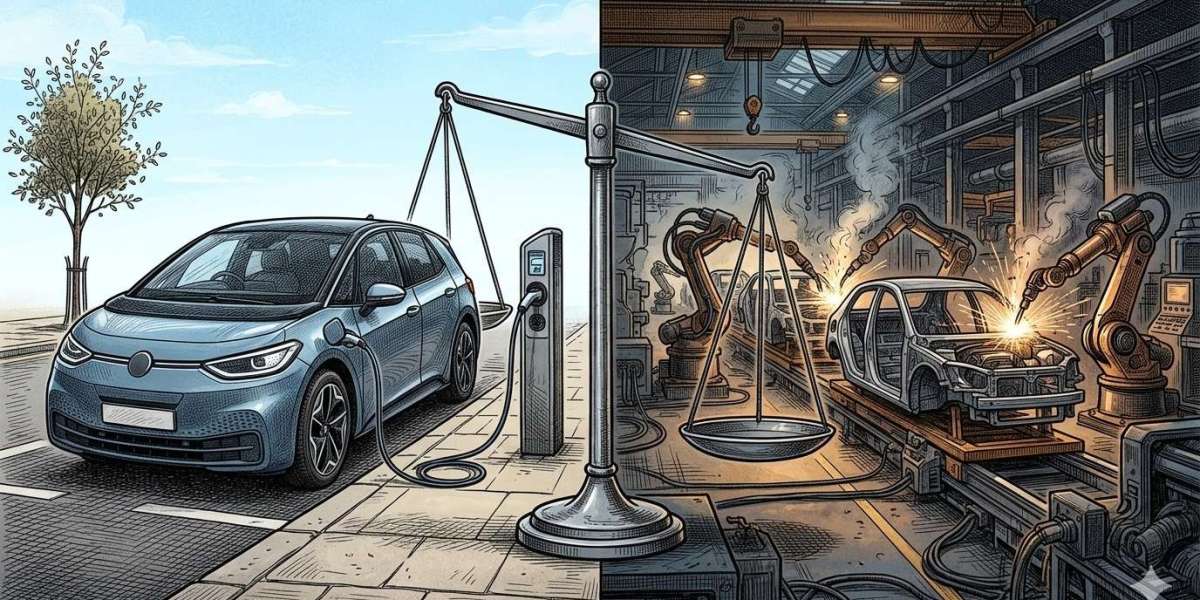
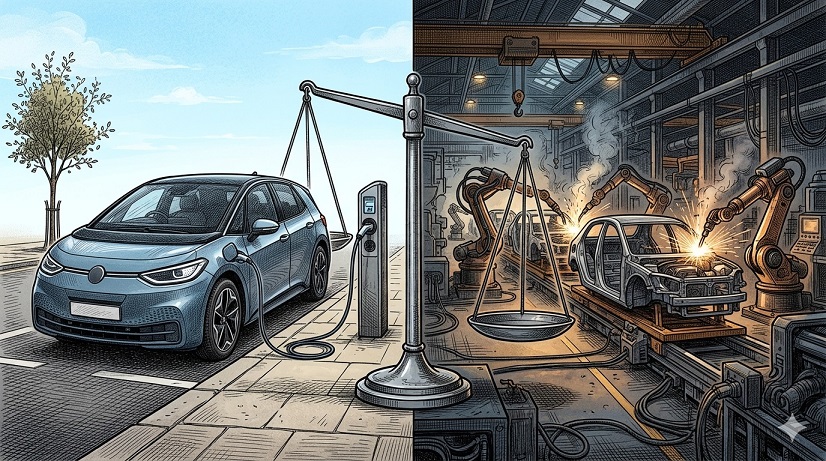
This policy pivot comes after heavy lobbying from mainstream car manufacturers and trade unions. The move highlights an escalating tension between immediate industrial preservation and long-term climate commitments. The policy shift would mark another major adjustment to the UK's automotive roadmap, following earlier changes that introduced regulatory loopholes allowing for increased sales of plug-in hybrid electric vehicles (PHEVs).
For the UK’s EV charging and green energy sectors, the prospective policy change represents a severe disruption. Companies have spent recent years committing billions of pounds to expand the national charging network based on the government's original statutory timelines. Greg Jackson, chief executive of Octopus Energy, criticized the decision as choosing "short-termist incumbent lobbying instead of the long-term future of industry," warning that the hesitation damages investor confidence.
Infrastructure operators share these concerns, emphasizing that charging networks depend on stable, long-term regulatory frameworks to attract capital. Vicky Read, chief executive of the lobby group ChargeUK, described the proposal as an act of "self-harm" that threatens to compromise future economic prosperity and could ultimately imperil tens of thousands of long-term jobs.
Conversely, the manufacturing sector and labor representatives view the decision through a different lens. The trade union Unite, which represents thousands of British automotive factory workers, heavily favored the adjustment. Sharon Graham, Unite’s general secretary, hailed the proposed changes as "a huge victory" essential to protecting current UK automotive manufacturing jobs during a complex economic transition.
However, environmental and automotive analysts warn that the compromise could carry severe unintended consequences. A weaker ZEV mandate is expected to result in millions of additional internal combustion engines remaining on British roads, driving up carbon emissions. Data from the transport thinktank Transport & Environment (T&E) indicates that plug-in hybrids emit an average of 135g of carbon dioxide per kilometer, compared to zero direct emissions from battery electric vehicles.
Furthermore, analysts suggest that shifting focus toward hybrid vehicles could inadvertently expose the UK market to foreign competition. Chinese automotive manufacturers such as BYD and Chery (through its Omoda and Jaecoo brands) have already established a strong foothold in the UK, selling roughly 30,000 vehicles each this year, many of which are plug-in hybrids. T&E argued that slowing down pure EV targets risks eroding the competitiveness of domestic manufacturing rather than safeguarding it.
In response to the mounting criticism, a Department for Transport spokesperson stated that while the UK EV market remains strong, the government has always intended to review the mandate to ensure a "pragmatic and balanced approach that supports British industry and continues to drive investment."
Today's developments mark a critical fork in the road for the UK's transition to green transport. By lowering the near-term threshold for pure electric vehicles, the government aims to protect traditional automotive manufacturing workers and ease the immediate burden on legacy car brands.
However, this decision directly impacts charging infrastructure companies, fleet operators, and pure EV manufacturers who calibrated their business models to the original 80% target. Readers and investors should watch for the official publication of the revised framework to see how the government intends to balance international climate obligations against the immediate economic concerns of the domestic automotive workforce.
Key Points Summary
Target Reduction: The UK is expected to slash its 2030 pure EV sales target under the ZEV mandate from 80% to 50%.
Charging Sector Alarm: Infrastructure providers warn the policy flip-flop undermines billions in capital investments and threatens future green job growth.
Labor and OEM Support: Traditional automakers and the Unite union successfully lobbied for the changes to protect current UK assembly plant jobs.
Environmental Impact: Higher reliance on plug-in hybrids instead of pure battery EVs will increase long-term carbon emissions.
Competitive Risks: Experts warn that favoring hybrids plays directly to the strengths of expanding Chinese car brands, threatening UK competitiveness.
advertisement
Frequently Asked Questions (FAQ)
What is the Zero Emission Vehicle (ZEV) mandate?
The ZEV mandate is a regulatory framework in the UK that requires car manufacturers to ensure a specific, growing percentage of their total new car sales are zero-emission vehicles each year.
Why is the UK government changing the EV targets?
The government is reviewing the mandate to provide a pragmatic approach that balances environmental goals with the economic protection of the British automotive manufacturing sector and its workforce.
What is the difference in emissions between hybrids and pure EVs?
According to data from the thinktank Transport & Environment, plug-in hybrids emit an average of 135g of CO2 per kilometer, whereas pure battery electric vehicles produce zero direct tailpipe emissions.
Sources
Sky News: U-turn on electric vehicle plans would add 13% to UK emissions
The Guardian: Backlash against 'short-termist' UK plans to weaken EV sales targets
Thank you !