
(What will be mentioned in this article is for advice and is not a substitute for consulting a doctor)
Woman Achieves Remission from 3 Autoimmune Diseases After Immune 'Reset' with CAR T Therapy
Key Points:
A groundbreaking treatment using CAR T therapy helped a woman with three severe autoimmune diseases enter long-term remission.
This immune reset therapy targeted dysregulated B cells, reversing the harmful effects of autoimmune hemolytic anemia (AIHA), immune thrombocytopenia (ITP), and antiphospholipid antibody syndrome (APLAS).
After a decade of treatment failure, this innovative therapy allowed her to live without ongoing treatments for almost a year.
advertisement
Introduction
In a remarkable breakthrough in autoimmune disease treatment, a 47-year-old woman from Germany has achieved long-term remission from three life-threatening autoimmune diseases after undergoing an experimental therapy. The innovative approach, known as Chimeric Antigen Receptor (CAR) T-cell therapy, effectively "reset" her immune system, enabling her to live without the need for ongoing treatment for almost a year. This case, documented by researchers at the University Hospital of Erlangen, highlights the potential of CAR T therapy to address complex, therapy-resistant autoimmune conditions and offers a glimmer of hope for patients battling similar disorders.
The Autoimmune Struggles
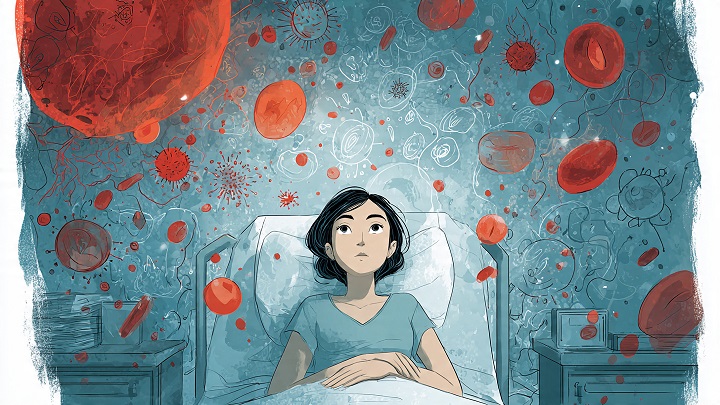
The patient had been living with three serious autoimmune diseases: autoimmune hemolytic anemia (AIHA), immune thrombocytopenia (ITP), and antiphospholipid antibody syndrome (APLAS).
Autoimmune Hemolytic Anemia (AIHA) is a condition where the immune system mistakenly destroys red blood cells, often resulting in anemia and requiring regular blood transfusions.
Immune Thrombocytopenia (ITP) occurs when the immune system attacks platelets, leading to an increased risk of dangerous bleeding.
Antiphospholipid Antibody Syndrome (APLAS) raises the risk of blood clots forming in the bloodstream, which can cause stroke or organ damage.
Over the course of a decade, despite undergoing nine different treatments, including steroids, immunosuppressants, and B cell-targeting therapies, none of these therapies provided lasting relief. By the time she sought care at the University Hospital of Erlangen, she was dependent on daily blood transfusions and anticoagulation therapy.
The Revolutionary CAR T-Cell Therapy

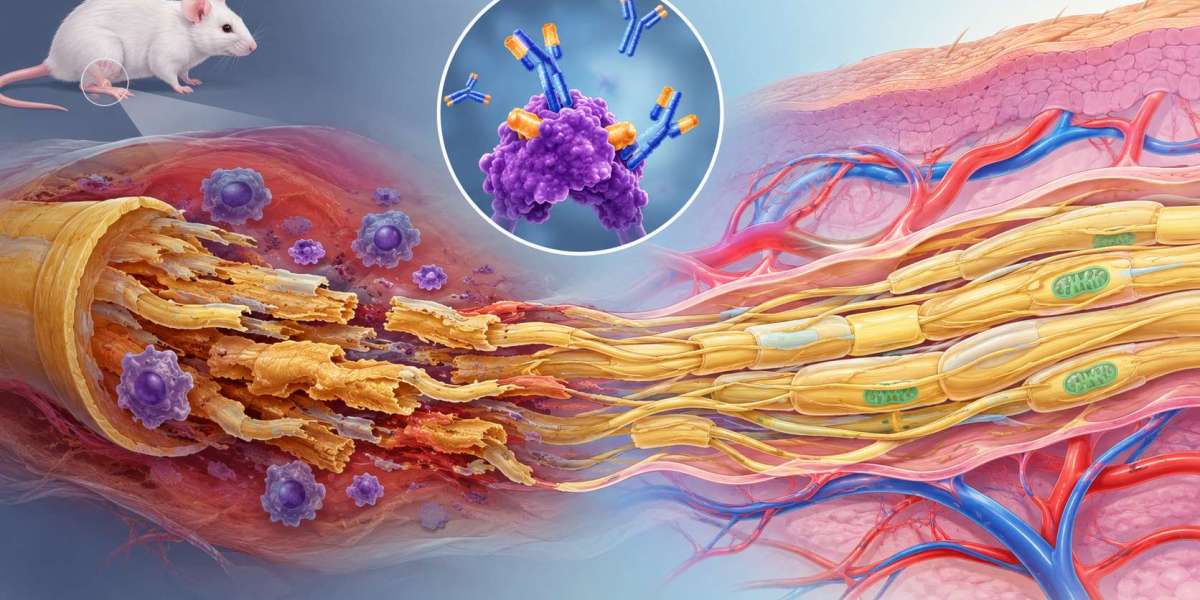
CAR T-cell therapy, a form of immunotherapy originally used in cancer treatment, has now been adapted for autoimmune diseases like this one. In this case, the therapy focused on reprogramming the patient's own immune cells—specifically, T-cells—to target and eliminate dysregulated B-cells. B-cells are responsible for producing antibodies, and in autoimmune diseases, these cells produce harmful autoantibodies that attack the body's healthy tissues.
The treatment involved extracting T-cells from the patient's blood, genetically modifying them to recognize a protein called CD19 found on B-cells, and reinfusing them back into her body. Once reintroduced, the engineered T-cells went to work, selectively eliminating the rogue B-cells that were causing the autoimmune responses.
Within a few weeks of receiving the treatment, the patient began to show dramatic improvements. After just seven days, she no longer required blood transfusions, and by two weeks, she reported feeling stronger and capable of engaging in regular daily activities. A key marker for her recovery was the normalization of her hemoglobin levels, signaling that her red blood cells were no longer being destroyed.
By day 25, her platelet counts stabilized, and the antibodies responsible for promoting clot formation disappeared. Months after the treatment, when her B-cells began to return, they were largely "naive"—meaning they no longer recognized the body's healthy cells as threats, indicating an immune system reset.
Clinical Significance and Implications

This groundbreaking case, the first of its kind, demonstrates the potential of CAR T-cell therapy to offer life-changing results for patients suffering from severe autoimmune diseases. Unlike traditional therapies that merely suppress the symptoms of autoimmune disorders, CAR T therapy works by targeting the root cause—dysregulated B-cells—and resetting the immune system.
The success of this treatment not only provides hope for those with similar autoimmune conditions but also highlights the possibility of using this therapy for multiple diseases simultaneously. While this case study is promising, researchers caution that further clinical trials are needed to confirm the therapy's long-term efficacy and safety.
Professor Fabian Müller, the lead immunologist behind this breakthrough, emphasized that while the therapy was remarkably effective for this patient, more extensive studies are required to determine if it can benefit a wider population. He also noted the importance of intervening earlier in the disease process, potentially preventing complications and reducing the need for long-term treatment.
Conclusion: A New Hope for Autoimmune Disease Treatment

The woman’s incredible recovery underscores the power of precision medicine and the potential for innovative therapies to transform the treatment landscape for autoimmune diseases. After years of suffering and exhausting all available treatment options, she now enjoys a life free from daily medical interventions, experiencing a quality of life she had long been denied.
This case marks a pivotal moment in autoimmune disease research, offering both hope and inspiration to patients with therapy-resistant conditions. As the medical community continues to explore the applications of CAR T-cell therapy in autoimmune diseases, there is a growing sense of optimism for future treatments that can offer lasting remission and even cure previously untreatable conditions.
Key Points Summary
Patient: 47-year-old woman with AIHA, ITP, and APLAS.
Treatment: CAR T-cell therapy to target and reset the immune system by eliminating rogue B-cells.
Results: Within weeks, the patient no longer needed blood transfusions or medications. After nearly a year, she remains in remission.
Significance: The case demonstrates the potential of CAR T therapy for autoimmune diseases and the power of resetting the immune system.
advertisement
Frequently Asked Questions (FAQ)
Q1: What is CAR T-cell therapy?
A: CAR T-cell therapy involves extracting a patient’s T-cells, modifying them to target specific proteins on B-cells, and re-infusing them to eliminate harmful cells causing autoimmune disorders or cancers.
Q2: How did the CAR T therapy help this woman?
A: The therapy targeted her dysregulated B-cells, which were attacking her red blood cells, platelets, and causing blood clots, effectively resetting her immune system and bringing her into remission.
Q3: Can CAR T-cell therapy be used for other autoimmune diseases?
A: Yes, CAR T therapy has shown promise in treating autoimmune diseases like lupus, multiple sclerosis, and others. Clinical trials are ongoing to assess its broader applications.
Q4: Are there any risks associated with CAR T-cell therapy?
A: While CAR T therapy is generally well-tolerated, there can be side effects like mild liver enzyme elevation or low white blood cell counts. Severe complications such as cytokine release syndrome are rare but possible.
Sources
Drug Discovery News – Overview of CAR T therapy’s role in autoimmune disease treatment.
https://www.drugdiscoverynews.com/car-t-therapy-brings-lasting-remission-to-patient-with-three-severe-autoimmune-diseases-17109The Guardian – Detailed account of the patient’s recovery and the scientific implications of the CAR T therapy.
https://www.theguardian.com/science/2026/apr/09/autoimmune-diseases-cell-therapy-immune-resetScienceAlert – Comprehensive breakdown of the patient’s condition, treatment, and outcomes.
https://www.sciencealert.com/woman-with-3-autoimmune-diseases-enters-remission-after-immune-reset
Disclaimer:
What is mentioned in this article is for advice and is not a substitute for consulting a doctor
Thank you !