
article image source: globalnews.ca (Link)
(What will be mentioned in this article is for advice and is not a substitute for consulting a doctor)
Energy Drinks and Death Risk: The Case of Larissa Nicole Rodriguez, Side Effects, and Caffeine Dangers Explained
Family alleges energy drink was to blame for teen’s death in new lawsuit - NBC News
⚡ Energy drinks may boost energy—but at what cost?
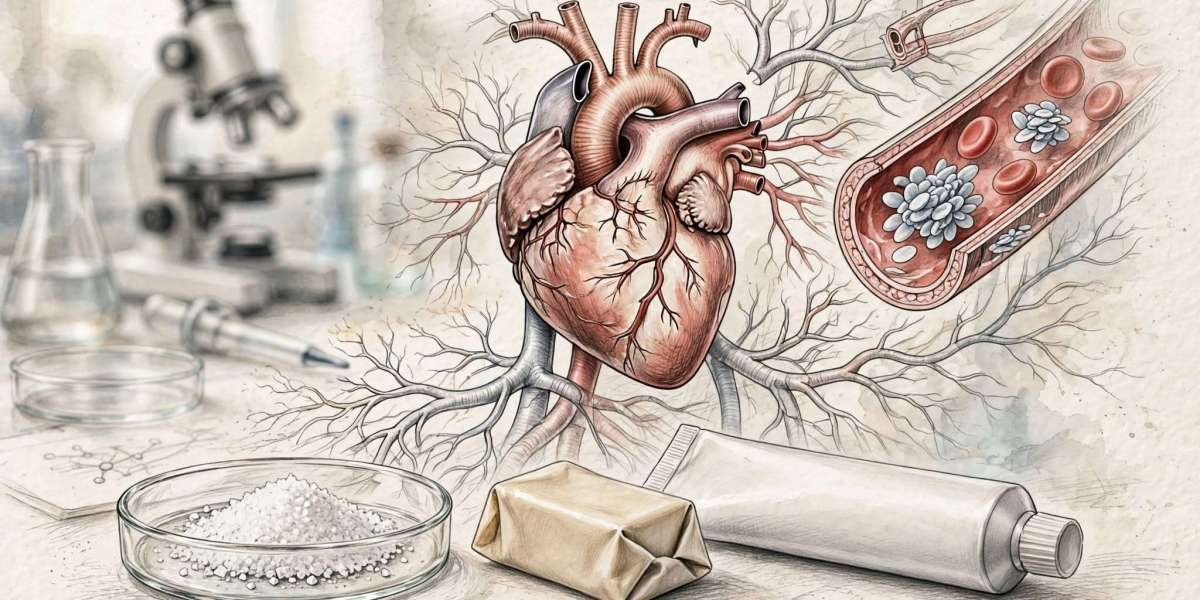
⚠️ High caffeine intake has been linked to serious heart complications
♦ Experts warn teens and young adults face higher risks than they realize
advertisement
Introduction: The Rise of Energy Drinks and Hidden Risks
Energy drinks have become a global trend, widely consumed for their ability to boost alertness, improve focus, and enhance physical performance. From students pulling all-nighters to athletes seeking quick energy, these beverages are marketed as lifestyle enhancers.
However, growing evidence raises serious concerns about their safety. Reports of severe side effects—and even death—have sparked debates about whether energy drinks are truly safe, especially for young people.
This article explores a real-life case linked to energy drink consumption, examines scientific insights, and answers a critical question: Can energy drinks actually cause death?
A Tragic Case: Energy Drink Linked to Teen’s Death
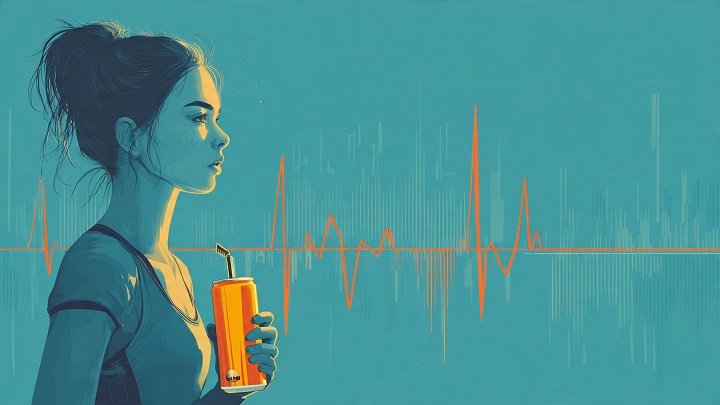
A heartbreaking case in Texas brought global attention to the potential dangers of energy drinks.
Larissa Nicole Rodriguez, a 17-year-old cheerleader, died after reportedly consuming high amounts of caffeine through energy drinks. According to her family’s lawsuit, the cause of death was cardiomyopathy (an enlarged heart) linked to excessive caffeine intake.
Her family stated she had no prior heart conditions, and medical tests reportedly found no drugs or alcohol in her system—only caffeine.
The lawsuit alleges that the energy drink she frequently consumed contained 200 mg of caffeine per can, significantly exceeding recommended limits for teenagers.
Key allegations from the case:
The drink lacked clear warnings about serious cardiac risks
It did not clearly state maximum daily consumption limits
Marketing targeted young audiences with “wellness” and lifestyle messaging
Warnings on the label were described as small and insufficient
The company behind the drink expressed sympathy and stated that:
The caffeine content is clearly labeled
The product is not recommended for individuals under 18
It complies with federal labeling regulations
Conflicting perspectives:
Family’s claim: The drink’s high caffeine content and lack of strong warnings contributed to death
Company’s response: The product is safe when used as directed and properly labeled
The case remains part of an ongoing legal process, but it highlights a growing concern about energy drink safety—especially among teenagers.
What Are Energy Drinks?
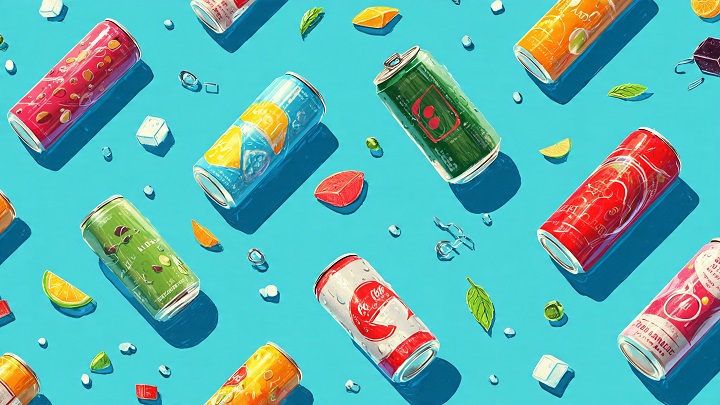
Energy drinks are beverages marketed to increase energy, alertness, and performance. They are often classified as dietary supplements and may include a combination of stimulants and additives.
Common ingredients include:
Caffeine (primary stimulant)
Sugar (quick energy source)
Taurine (amino acid linked to energy metabolism)
Guarana (plant-based caffeine source)
B vitamins (help convert food into energy)
L-carnitine (claimed to improve physical performance)
Some drinks contain 40 to 250 mg of caffeine per serving, while concentrated “energy shots” may contain even more.
How Much Caffeine Is Too Much?
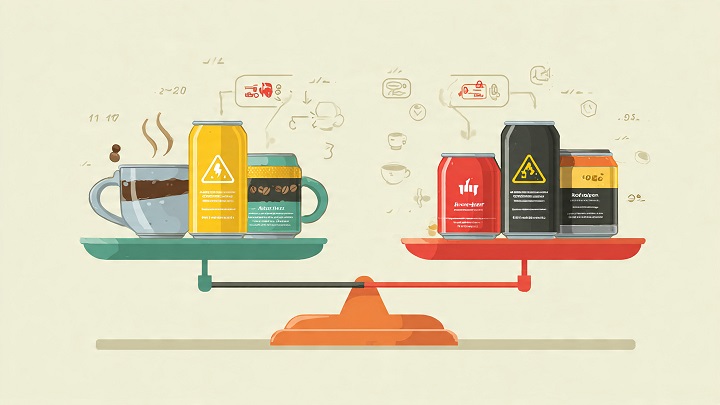
Health authorities provide general guidelines for safe caffeine intake:
Adults: Up to 400 mg per day
Teens (12–17): Less than 100 mg per day
A single energy drink can exceed the recommended daily limit for teens, making overconsumption easy—especially when multiple cans are consumed.
Side Effects of Energy Drinks
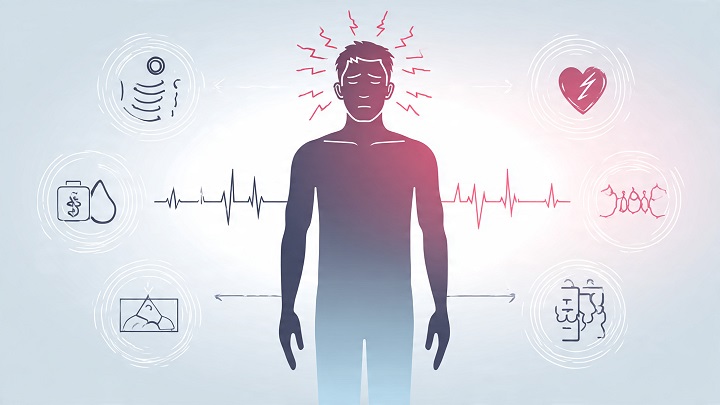
While energy drinks may provide a temporary boost, they can cause a wide range of side effects.
Common side effects:
Rapid heartbeat
Anxiety and nervousness
Insomnia (sleep problems)
Headaches
Nausea and digestive issues
Tremors or shakiness
Serious health risks:
High blood pressure
Irregular heart rhythms (arrhythmias)
Stroke
Seizures
Liver or kidney damage
In rare cases, energy drinks have been linked to cardiac arrest, particularly in individuals with underlying or undiagnosed heart conditions.
Do Energy Drinks Affect the Heart?
Yes—energy drinks can significantly impact heart health.
High caffeine and stimulant levels may:
Increase heart rate
Raise blood pressure
Trigger irregular heart rhythms
Even in healthy individuals, excessive intake can push the heart into dangerous conditions.
Some reports suggest that fatal cardiac events may occur, especially when large quantities are consumed in a short time.
Energy Drinks on an Empty Stomach: Are They More Dangerous?
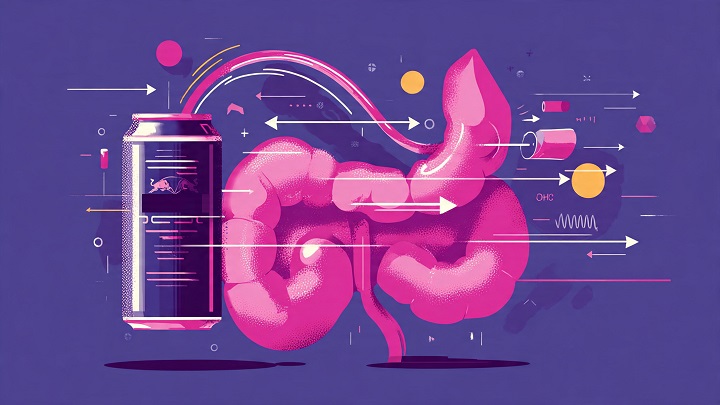
Drinking energy drinks on an empty stomach may increase their risks.
Without food to slow absorption, caffeine enters the bloodstream more quickly, potentially intensifying its effects.
Possible risks include:
Faster caffeine absorption → higher overdose risk
Increased likelihood of arrhythmias
Greater chance of dehydration
Higher risk of headaches and stomach irritation
Research has also linked energy drinks to medical emergencies such as:
Seizures
Stroke
Abnormal heart rhythms
Mental health disturbances
Who Is Most at Risk?
Certain groups face higher risks from energy drink consumption:
Children and teenagers
People with heart conditions
Individuals with high blood pressure
Those taking certain medications
Pregnant women
Health organizations strongly advise that children and adolescents avoid energy drinks entirely.
Healthier Alternatives to Energy Drinks
If you need an energy boost, consider safer options:
Water (hydration improves energy levels)
Black coffee (moderate caffeine)
Green tea (lower caffeine + antioxidants)
Hydrating foods (fruits and vegetables)
Proper sleep and regular exercise
These alternatives provide more sustainable and safer energy.
Conclusion: Energy with Awareness, Not Risk
Energy drinks promise quick energy—but they come with real risks that should not be ignored.
The tragic case of a young life lost serves as a powerful reminder that what we consume daily can have serious consequences.
While occasional use may be safe for healthy adults, excessive intake—especially among teens—can lead to dangerous, even fatal outcomes.
Understanding ingredients, respecting caffeine limits, and making informed choices can protect your health.
True energy comes not from a can—but from balanced habits, proper rest, and mindful nutrition.
Key Points
Energy drinks contain high levels of caffeine and stimulants that can impact heart health
Excessive consumption has been linked to serious conditions, including cardiac events
Teens and young adults face higher risks and are advised to avoid energy drinks
Attention-Grabbing Key Points
One energy drink can exceed safe caffeine limits for teens
High caffeine intake has been linked to fatal heart conditions
Energy crashes and long-term health risks are often overlooked
advertisement
Frequently Asked Questions (FAQ)
1. Can energy drinks really cause death?
In rare cases, excessive caffeine intake from energy drinks has been linked to fatal heart conditions, especially in vulnerable individuals.
2. How many energy drinks are safe per day?
For adults, up to 400 mg of caffeine per day is considered safe. Teens should consume less than 100 mg, meaning even one energy drink may exceed safe limits.
3. Are energy drinks worse than coffee?
Energy drinks often contain more caffeine, sugar, and additional stimulants, making them potentially riskier than coffee.
4. Why do energy drinks make me feel tired later?
After the initial boost, sugar and caffeine crashes can lead to fatigue and low energy.
5. Are energy drinks safe for teenagers?
No. Health organizations recommend that children and teens avoid energy drinks entirely due to higher sensitivity to caffeine.
Sources
NBC News – Report on teen death linked to energy drink and lawsuit
https://www.nbcnews.com/news/us-news/texas-teens-death-linked-caffeine-alani-nu-energy-drink-family-alleges-rcna267441Global News – Details of lawsuit and medical findings on caffeine-related death
https://globalnews.ca/news/11773768/energy-drink-death-larissa-rodriguez-lawsuit/WebMD – Medical overview of energy drinks, ingredients, and side effects
https://www.webmd.com/diet/energy-drinksHealthline – Risks of consuming energy drinks, especially on an empty stomach
https://www.healthline.com/health/energy-drinks-on-empty-stomach
Disclaimer:
What is mentioned in this article is for advice and is not a substitute for consulting a doctor
Thank you !