
(What will be mentioned in this article is for advice and is not a substitute for consulting a doctor)
Best Time to Take Vitamins: A Complete Guide for Maximum Absorption and Health Benefits
⭐ 3 Quick Key Points
Timing matters: Some vitamins absorb better with food, while others work best on an empty stomach.
Fat-soluble vs water-soluble vitamins require different approaches.
Consistency is key — the best time may simply be when you remember daily.
advertisement
Introduction
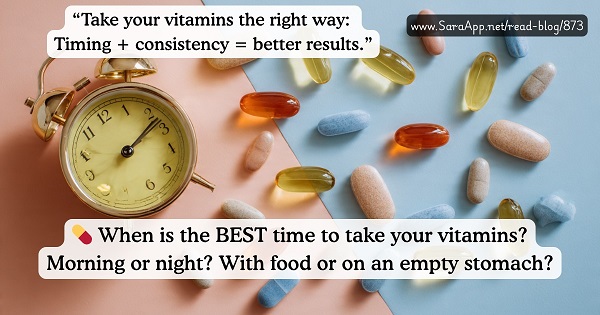
If you’re taking supplements, you’ve probably wondered: When is the best time to take vitamins for maximum absorption and effectiveness?
The answer isn’t one-size-fits-all. Research shows that the best time to take vitamins depends on the type of nutrient, how your body absorbs it, and even your daily routine.
Some vitamins work best with meals, others on an empty stomach, and a few may even have benefits when taken at specific times of the day.
This guide breaks down everything you need to know in a clear, practical way — so you can get the most from your supplements.
Understanding How Vitamins Are Absorbed
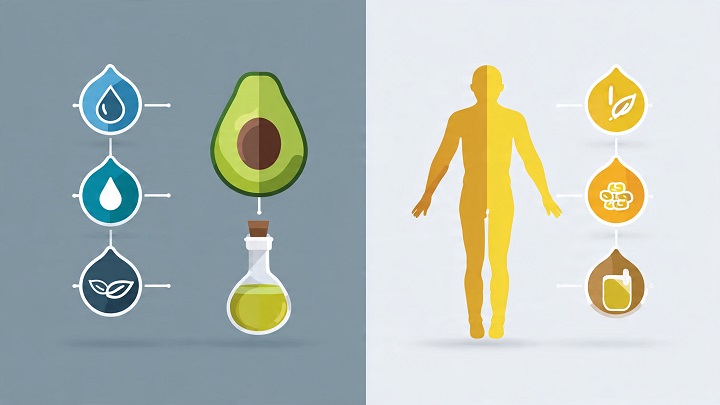
Your body needs 13 essential vitamins, divided into two main categories:
1. Water-Soluble Vitamins
Includes: Vitamin C and B-complex vitamins (B1, B2, B3, B5, B6, B7, B9, B12)
Dissolve in water
Not stored in large amounts — excess is excreted in urine
Can generally be taken with or without food
2. Fat-Soluble Vitamins
Includes: Vitamins A, D, E, and K
Stored in body tissues
Require dietary fat for proper absorption
Best taken with meals containing fat
Best Time to Take Water-Soluble Vitamins

Vitamin C
Can be taken any time of day
Taking it with food may reduce stomach irritation
May improve iron absorption when taken together
Some research suggests evening intake may support heart health, though more studies are needed
B Vitamins (B-Complex)
General guidance:
Can be taken anytime
Often recommended in the morning due to their role in energy production
Specific insights:
Vitamin B2 (Riboflavin): Morning may support energy and heart health
Vitamin B6: Evening use may benefit heart health (evidence is mixed)
Vitamin B9 (Folate): Best absorbed on an empty stomach
Vitamin B12: May be better taken on an empty stomach for absorption
Best Time to Take Fat-Soluble Vitamins

Vitamin A
Take with a fat-containing meal
No specific best time of day
Avoid high doses unless prescribed
Vitamin D
Take with meals containing fat for better absorption
One study showed 32% higher absorption with fat-containing meals
Another study suggests taking it with the largest meal may increase effectiveness
Works best when magnesium levels are adequate
Vitamin E
Best taken with food containing fat
May still absorb well if fat is consumed later in the day
Some research suggests evening intake may benefit heart health
Vitamin K
Take with fat for optimal absorption
Can be taken anytime
Works well alongside vitamin D for bone health
Should be used cautiously with blood-thinning medications
Best Time to Take Iron (Important Mineral)

Although not a vitamin, iron is often taken alongside supplements:
Best taken on an empty stomach (morning is ideal)
Avoid taking with coffee or food for better absorption
Combine with vitamin C (like orange juice) to boost absorption up to 4x
Best Time to Take Multivitamins

Best taken with a meal
Helps absorb fat-soluble vitamins
Reduces risk of stomach upset
If taking multiple doses, split them between meals for better absorption
Best Time to Take Prenatal Vitamins

No strict timing rules
Take with food to reduce nausea
Adjust timing based on symptoms:
Morning sickness → take in the evening
Night reflux → take in the morning
Timing of Vitamins at a Glance
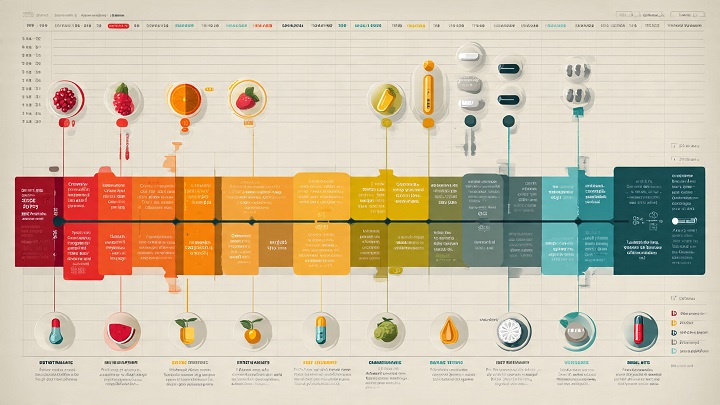
| Vitamin | Best Time to Take | With Fat-Containing Foods? |
|---|---|---|
| Vitamin C | Any (possible evening benefit) | Optional |
| Vitamin B2 | Any (possible morning benefit) | Optional |
| Vitamin B6 | Any (possible evening benefit) | Optional |
| Folate (B9) | Any | No, empty stomach |
| Iron | Any | No, empty stomach (or with orange juice) |
| Vitamin D | Any | Yes |
| Vitamin E | Any (possible evening benefit) | Yes |
| Vitamin A | Any | Yes |
| Prenatal vitamins | Any | Yes (especially if nausea) |
| Multivitamin | Any | Yes |
Conflicting Research: What Should You Believe?
Both sources agree on many fundamentals — especially regarding absorption with or without food.
However, there are some differences:
Some studies suggest specific timing (morning vs evening) may affect heart health
Other experts emphasize that evidence is still limited and not conclusive
One key takeaway from research:
The best time may simply be when you consistently remember to take them
Practical Tips for Taking Vitamins

Choose consistency over perfection
Take fat-soluble vitamins with meals that include healthy fats (like avocado or olive oil)
Take iron and folate on an empty stomach when possible
Avoid exceeding recommended doses
Look for third-party tested supplements
Check for interactions with medications
Consult a healthcare professional before starting supplements
Conclusion
Taking vitamins isn’t just about what you take — it’s also about how and when you take them.
While science provides helpful guidance — like pairing fat-soluble vitamins with meals or taking iron on an empty stomach — there’s no universal rule that applies to everyone.
The most powerful habit you can build is consistency. A perfectly timed supplement won’t help if you forget to take it.
By understanding your body’s needs, choosing the right timing for each vitamin, and staying consistent, you can turn a simple daily habit into a meaningful step toward better health.
Key Points Summary
Water-soluble vitamins can be taken anytime, often in the morning
Fat-soluble vitamins should be taken with meals containing fat
Iron is best absorbed on an empty stomach with vitamin C
Multivitamins and prenatal vitamins should be taken with food
Research on exact timing (morning vs evening) is limited
Consistency matters more than perfect timing
advertisement
Frequently Asked Questions (FAQ)
1. Can I take all my vitamins at once?
Yes, but it’s often better to split doses, especially for multivitamins, to improve absorption and reduce stomach discomfort.
2. Should I take vitamins on an empty stomach?
Some (like iron and folate) are better on an empty stomach, while others (fat-soluble vitamins) need food.
3. Is it better to take vitamins in the morning or at night?
It depends on the vitamin. Morning is common for B vitamins, while some studies suggest evening benefits for others — but consistency matters most.
4. Do vitamins work better with food?
Many do — especially fat-soluble vitamins (A, D, E, K).
5. Can taking vitamins at the wrong time be harmful?
Usually not harmful, but it may reduce effectiveness or cause mild side effects like stomach upset.
Sources
- Healthline – Detailed guide on vitamin absorption and timing
https://www.healthline.com/nutrition/best-time-to-take-vitamins - GoodRx – Research-based overview of vitamin timing and effectiveness
https://www.goodrx.com/well-being/supplements-herbs/best-time-to-take-vitamins
Disclaimer:
What is mentioned in this article is for advice and is not a substitute for consulting a doctor
Thank you !