
(What will be mentioned in this article is for advice and is not a substitute for consulting a doctor)
Dark Chocolate Health Benefits: Nutrition, Risks, and How Much You Should Eat Daily
Key Highlights
Dark chocolate (70%+ cacao) is rich in antioxidants that support heart and brain health
Moderate daily intake (about 1 ounce) may offer benefits without excess sugar or calories
Overconsumption can increase risks from caffeine, calories, and heavy metals
advertisement
Introduction
Dark chocolate has become one of the most talked-about “healthy indulgences” in modern nutrition. Known for its rich taste and high cocoa content, it is often praised for its antioxidants, minerals, and potential health benefits.
But is dark chocolate really healthy, and can you eat it every day?
This article explores the science-backed benefits, nutritional value, risks, and best ways to enjoy dark chocolate, based on multiple expert sources.
What Is Dark Chocolate?
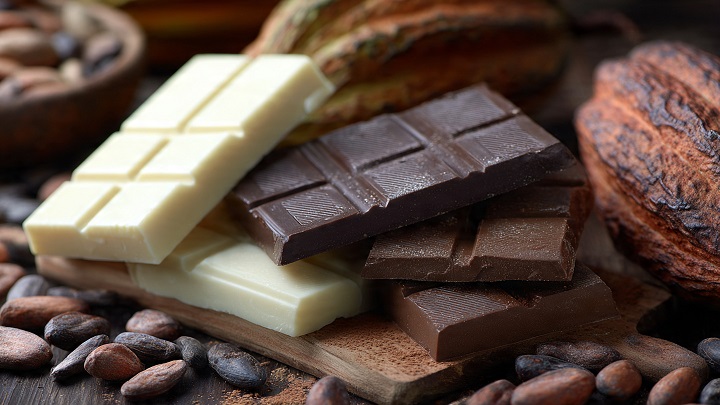
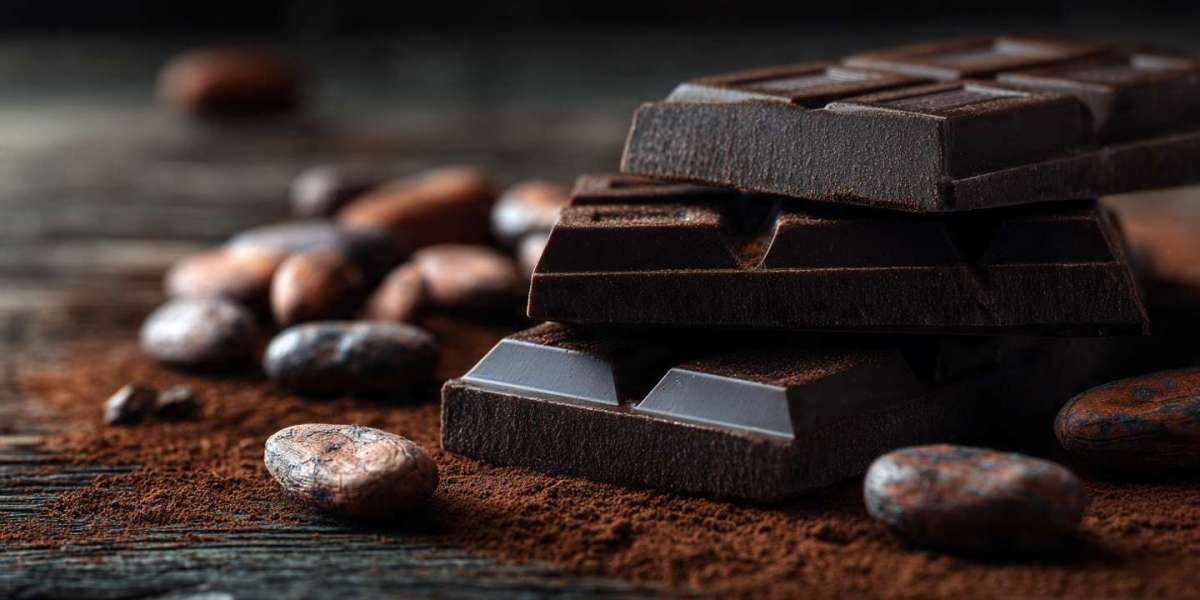
Dark chocolate is defined as chocolate that contains at least 50% cocoa solids, cocoa butter, and sugar, with little to no milk content.
Unlike milk chocolate, it is less processed and contains fewer added sugars, making it a more nutrient-dense option.
Chocolate consumption dates back to the Mayans around 1500 B.C., when it was consumed as a drink. Today, dark chocolate remains a global favorite—not just for taste, but also for its potential health benefits.
Dark Chocolate Nutrition
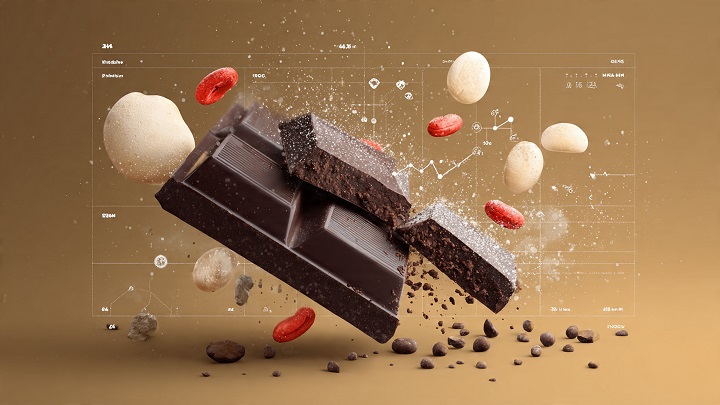
Dark chocolate stands out for its high cocoa content, especially varieties with 70% cacao or higher, which are considered the healthiest.
Typical Nutritional Profile (per ~1 ounce / 28g):
Calories: ~170
Carbohydrates: ~13g
Fiber: ~3g
Sugar: ~6–10g
Fat: ~12g
Protein: ~2g
Magnesium, Zinc, Iron (rich sources)
Caffeine: ~20–80 mg depending on cacao percentage
It also contains additional minerals such as phosphorus and copper, along with beneficial plant compounds like flavanols.
The Science Behind Dark Chocolate’s Health Benefits

Dark chocolate contains powerful plant compounds called flavonoids (flavanols), which are responsible for many of its health benefits.
1. Heart Health Support
Research suggests that dark chocolate may:
Lower blood pressure
Improve blood flow
Support arterial function
Reduce risk of cardiovascular disease
One study cited improvements in blood pressure and arterial function in individuals consuming dark chocolate regularly.
2. Brain Function and Cognitive Benefits
Flavonoids may cross the blood-brain barrier and:
Enhance memory and focus
Support cognitive performance
3. Anti-Inflammatory and Antioxidant Effects
Dark chocolate is rich in antioxidants that:
Fight oxidative stress
Reduce inflammation markers in the body
4. Mood Enhancement
Dark chocolate can:
Trigger endorphin release
Improve mood through natural compounds
5. Potential Disease Prevention
Some research suggests dark chocolate may help:
Reduce the risk of diabetes (via improved insulin sensitivity)
Protect against neurodegenerative diseases like Alzheimer’s
Lower risk of certain chronic diseases
6. Other Possible Benefits (Conflicting Evidence)
Vision improvement: One small study showed short-term improvement, while another found no effect
More research is needed to confirm these findings
advertisement
Is It Healthy to Eat Dark Chocolate Every Day?

Supporting View
Daily consumption of small amounts (1–2 ounces) may provide cumulative health benefits
Replacing sugary desserts with dark chocolate is considered a smarter choice
Cautionary View
Dark chocolate is still high in calories, fat, and sugar
Experts emphasize moderation and portion control
✔ Balanced conclusion:
Yes, dark chocolate can be part of a healthy daily diet—but only in moderation.
How Much Dark Chocolate Should You Eat?
Most experts recommend:
1 ounce (28g) per day
Preferably 70%–85% cacao content
Higher cacao = more antioxidants but also a more bitter taste.
Choosing the Healthiest Dark Chocolate
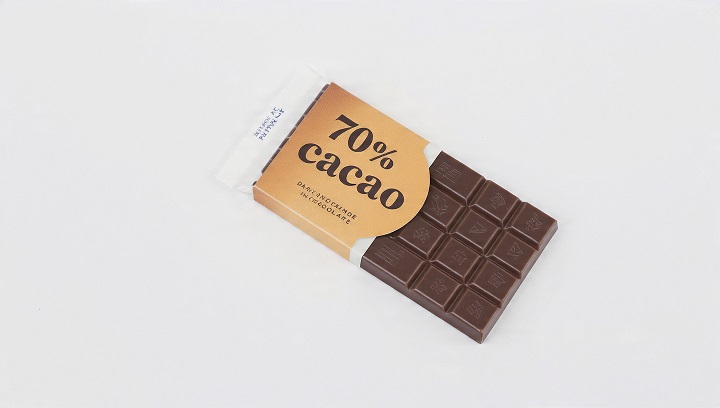
1. Follow the “70% Rule”
Aim for at least 70% cacao
85%+ offers even more benefits with less sugar
2. Check Ingredients
Healthier options contain:
Cacao beans
Cacao butter
Minimal sugar
Possibly vanilla
Avoid long ingredient lists with additives.
3. Look for Minimal Processing
“Raw” or “stone-ground” chocolate may retain more nutrients
Dark Chocolate vs Other “Healthy” Snacks

Compared to trendy snacks like:
Acai bowls
Granola
Protein bars
Smoothie bowls
Dark chocolate often:
Contains less sugar
Offers more antioxidants and minerals
Provides better satiety
advertisement
Risks and Side Effects of Dark Chocolate
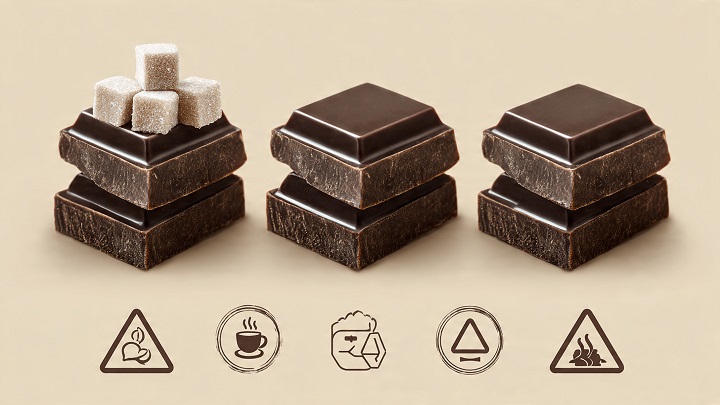
1. High Calories and Sugar
Even dark chocolate can contribute to:
Weight gain if overeaten
Excess sugar intake
2. Caffeine Content
Higher cacao = more caffeine
Can affect sleep or sensitivity
Example:
70–85% dark chocolate (3.5 oz): ~80 mg caffeine
Coffee (8 oz): ~95 mg
3. Heavy Metal Exposure
Some studies found lead and cadmium in certain chocolate brands.
What sources say:
Concern exists about accumulation over time
Some reports show levels exceeding safe daily limits
Others emphasize that risk is low with moderate consumption
Higher-risk groups:
Children
Pregnant women
Individuals with kidney issues
Special Dietary Considerations
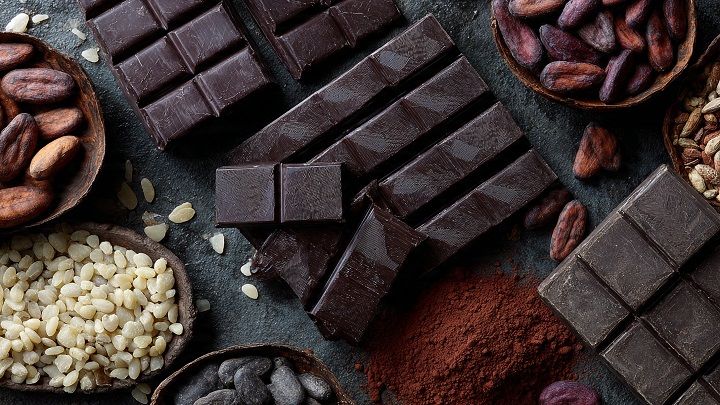
Vegan & Dairy-Free
Most dark chocolate is naturally vegan
Check labels for milk contamination
Sugar-Free Options
Use sweeteners like stevia or erythritol
May cause digestive issues in some people
Keto-Friendly
85%+ cacao fits many keto diets
Ways to Enjoy Dark Chocolate
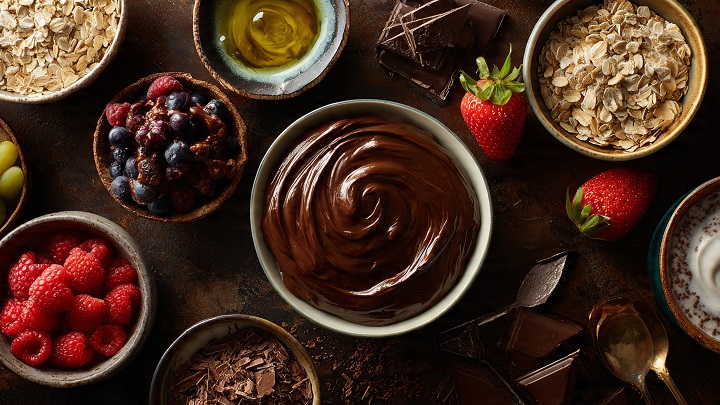
Pair with fresh fruit
Add to oatmeal
Blend into smoothies
Use in baking (cakes, cookies, puddings)
Melt for desserts or hot drinks
Alternatives to Dark Chocolate
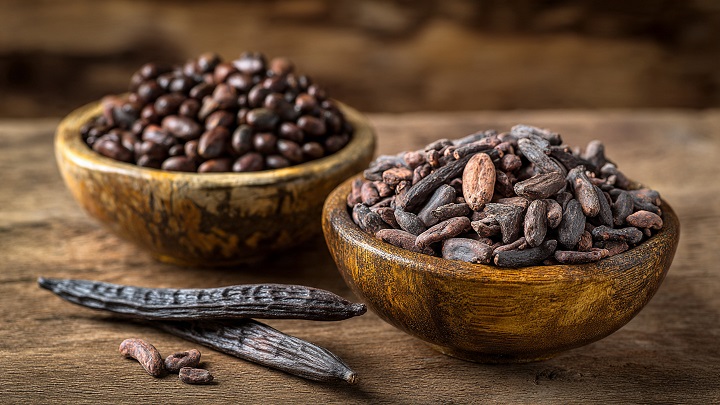
Carob: caffeine-free, high in fiber
Cacao nibs: rich in antioxidants and protein
Conclusion

Dark chocolate is more than just a delicious treat—it’s a nutrient-rich food with real health potential.
When chosen carefully and consumed in moderation, it can support heart health, brain function, and overall well-being.
However, it’s not a magic solution. Its benefits depend on quality, portion size, and overall diet.
The smartest approach is simple:
Enjoy dark chocolate mindfully, choose high-quality options, and let it be part of a balanced, healthy lifestyle.
Key Points
Dark chocolate is rich in antioxidants and essential minerals
70%+ cacao provides the most health benefits
Moderate daily intake may support heart and brain health
Overeating can lead to excess calories, sugar, and caffeine
Some products may contain heavy metals
Choose minimally processed chocolate with simple ingredients
advertisement
Frequently Asked Questions FAQ
Is dark chocolate healthier than milk chocolate?
Yes, it contains less sugar and more antioxidants and nutrients.
Can I eat dark chocolate every day?
Yes, in moderation—about 1 ounce daily is generally recommended.
What percentage of dark chocolate is best?
70% to 85% cacao offers the best balance of health benefits and taste.
Does dark chocolate contain caffeine?
Yes, and the amount increases with higher cacao content.
Is dark chocolate safe for kids?
Small amounts are generally safe for children over 2, but moderation is important.
Can dark chocolate help with weight loss?
Not directly, but it can replace higher-sugar snacks and help control cravings.
Are there risks in eating dark chocolate?
Yes, including high calories, caffeine sensitivity, and possible heavy metal exposure.
Sources
- Real Simple – Effects of eating dark chocolate daily
https://www.realsimple.com/what-happens-when-you-eat-dark-chocolate-every-day-11940592 - Soul Chocolate – Analysis of whether dark chocolate is healthy
https://www.soulchocolate.com/blogs/making-great-chocolate/is-dark-chocolate-actually-healthy - WebMD – Health benefits and nutrition of dark chocolate
https://www.webmd.com/diet/health-benefits-dark-chocolate
Disclaimer:
What is mentioned in this article is for advice and is not a substitute for consulting a doctor
Thank you !