
How to Create a Calm Home: Simple, Proven Ways to Reduce Stress and Design a Peaceful Living Space
7 Ways to Create a Calm, Peaceful Home | MINIMALISM - Margaret Matheny | Simple Living
3 Quick Key Points
Decluttering and reducing visual noise can significantly lower stress and improve focus.
Lighting, airflow, and natural elements directly impact your mood and nervous system.
A calm home is created through intentional habits, not expensive purchases.
advertisement
Introduction: Why Creating a Calm Home Matters
In today’s fast-paced world, learning how to create a calm home is more important than ever. Your home should be a place to recharge, reduce stress, and feel at ease—not another source of overwhelm.
Whether you live alone or with a busy family, small, intentional changes can transform your space into a peaceful, stress-free environment. The good news? You don’t need to spend money or completely redesign your home.
By combining expert insights from interior designers, mental health professionals, and practical home organization strategies, you can create a calming space that supports both your mind and body.
1. Start With Lighting: A Foundation for Calm
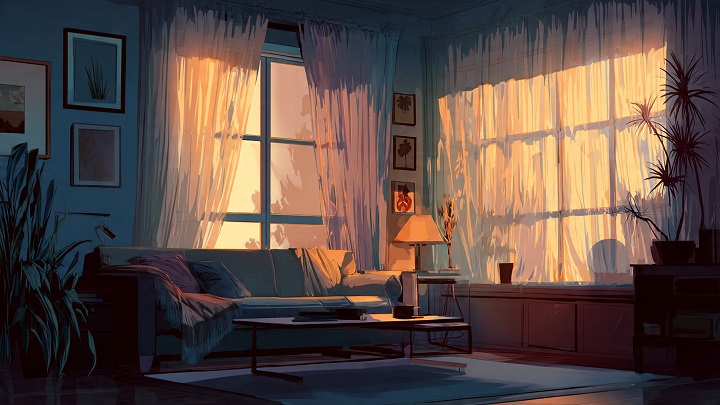
Lighting plays a crucial role in regulating mood and energy.
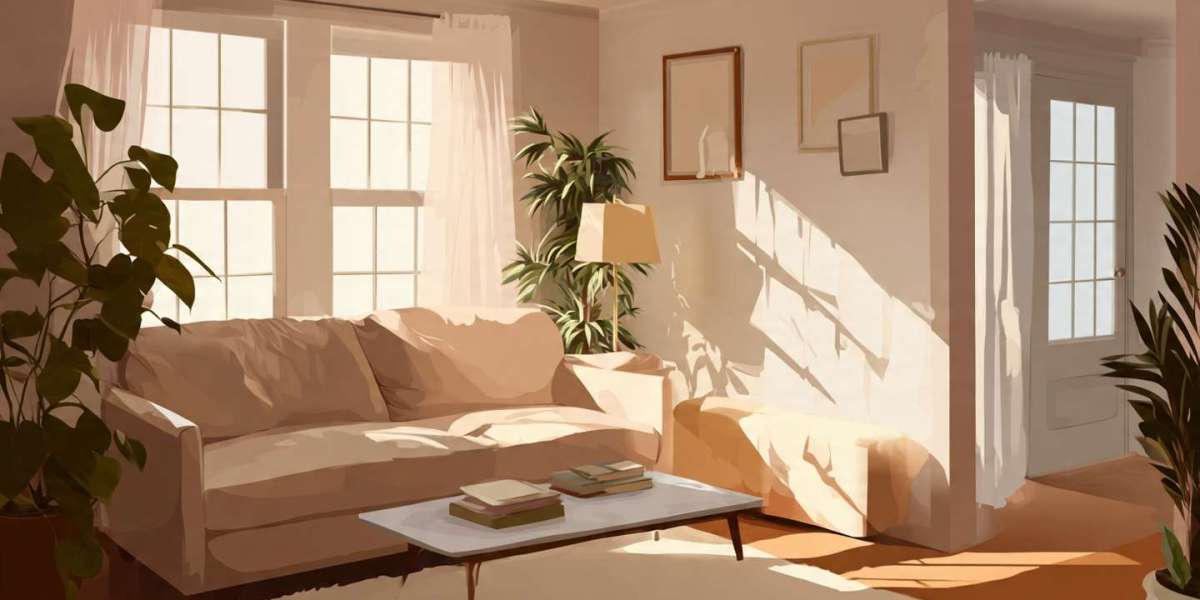
Experts recommend exposing yourself to natural morning light by opening curtains and spending time near windows. This helps regulate your circadian rhythm, improve sleep quality, and reduce anxiety.
At night, avoid harsh overhead lighting. Instead, use soft, ambient lighting like lamps or dimmed lights to create a relaxing atmosphere.
While one source emphasizes the biological benefits of light on sleep and stress, another highlights the importance of strategic lighting based on room function, such as brighter light for tasks and softer light for relaxation.
2. Improve Airflow and Sensory Comfort

Fresh air has a direct impact on your mental clarity and stress levels. Opening windows—even briefly—can improve oxygen flow and create a sense of openness and safety.
Additionally, engaging with calming sensory elements like water—through showers, washing dishes, or even listening to rain—can activate the body’s relaxation response.
Some approaches also suggest enhancing your environment with pleasant scents and soothing music, as both fragrance and sound influence mood and emotional well-being.
3. Declutter and Reduce Visual Noise
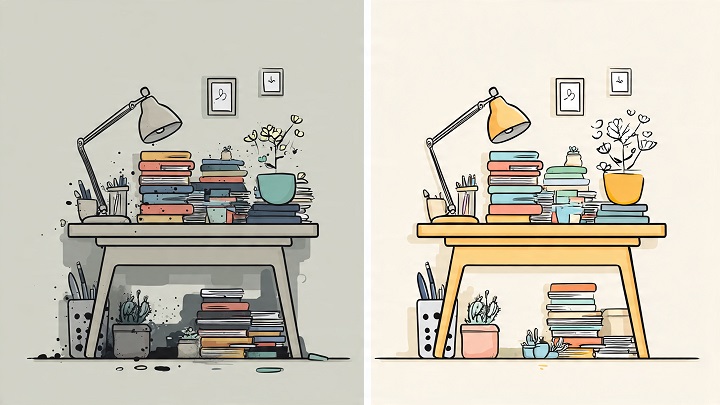
Decluttering is one of the most powerful ways to create a calm home.
Too much clutter can lead to:
Increased stress
Reduced focus
Mental fatigue
Clearing even a single surface can give your brain “visual breathing room,” helping it relax and stop scanning for unnecessary stimuli.
Another perspective emphasizes building habits like:
Giving everything a designated place
Keeping surfaces clear
Staying on top of daily tidying
Together, these approaches show that less clutter equals more calm and control.
4. Use Natural Textures and Simple Design
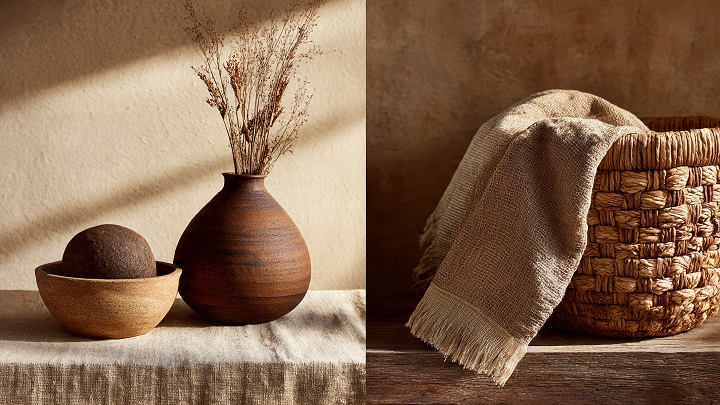
Natural materials like wood, cotton, linen, stone, and ceramics can make your home feel more grounded and calming.
These textures introduce subtle variation that the brain perceives as safe and authentic.
Instead of redecorating, simply rearrange and highlight what you already own—for example:
Display a ceramic bowl
Swap plastic items for woven baskets
Bring forward natural fabrics
This aligns with the idea of creating a cosy home without adding clutter, focusing on quality and meaning rather than quantity.
5. Create Flow and Functional Spaces
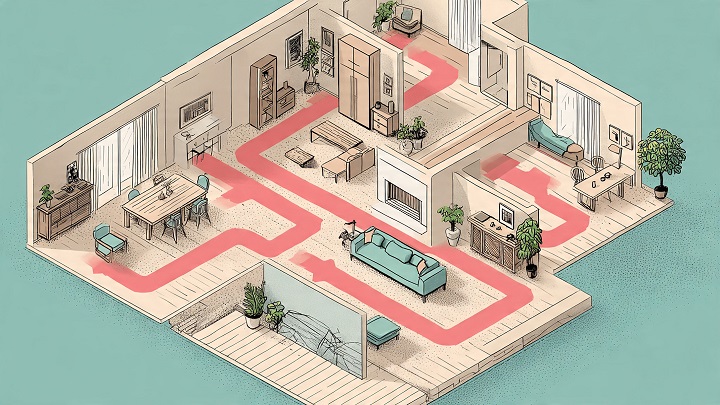
The way you move through your home matters more than you might think.
Rearranging furniture to improve flow can reduce subtle stress triggers. Clear pathways and intuitive layouts help your space feel more open and easy to navigate.
Another complementary strategy is to zone your home, giving each area a clear purpose—such as:
A workspace for productivity
A relaxation area for unwinding
Play areas for children
This not only reduces clutter but also creates a psychological separation between work and rest.
6. Design With Intention: Focal Points and Color Choices
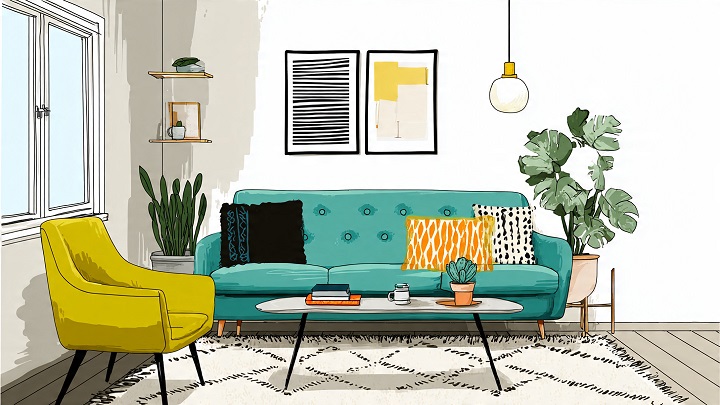
A calm space should guide your attention, not overwhelm it.
Creating a clear focal point—such as a window, artwork, or sofa—helps your eyes settle instead of constantly scanning the room.
Color also plays a powerful role:
Neutral and muted tones promote calmness
Bold colors can be used sparingly for accents
While one approach focuses on reducing visual overstimulation, another suggests color-coding items like books or clothing to create a sense of order and harmony.
7. Build Calm Through Daily Habits
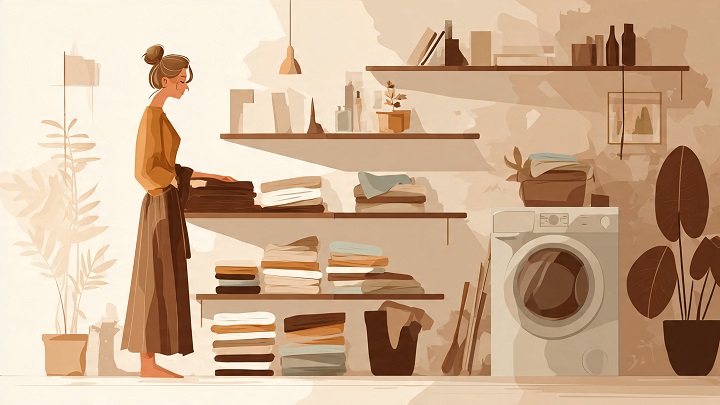
A peaceful home isn’t just about design—it’s about how you live in it.
Simple habits can make a big difference:
Keep up with housework regularly
Delegate chores among household members
Stay organized with systems like a “command center”
Plan ahead for busy periods
Limiting screen time is another key factor. While screens can be relaxing in moderation, excessive use may increase stress and disrupt the calm atmosphere.
8. Bring Nature Indoors
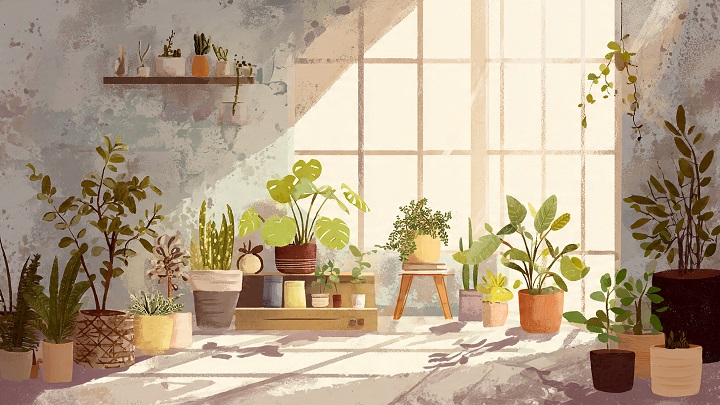
Nature has a naturally calming effect on the mind.
Adding plants—even just one or two—can enhance your home’s atmosphere through color, texture, and connection to the outdoors.
If real plants aren’t practical, artificial ones can still provide visual benefits.
Combined with natural light and airflow, this creates a holistic, calming environment.
9. Create Space for Rest and Retreat
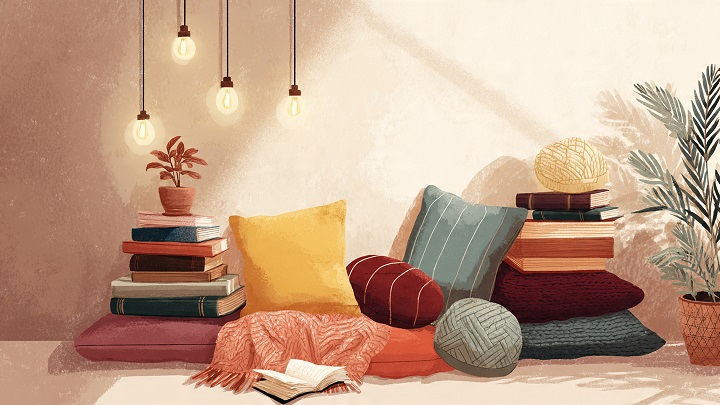
Sometimes, calm comes from what you don’t fill.
Empty space—on walls, floors, or schedules—gives your mind room to breathe.
Consider creating:
A reading nook
A meditation corner
A clutter-free bedroom sanctuary
Some approaches recommend having one room that remains consistently calm, providing a reliable place to recharge.
10. Personalize Your Space With Meaning
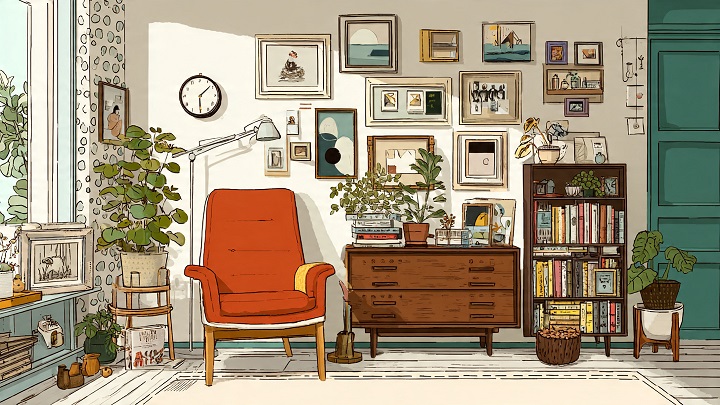
A calm home should reflect you.
Surround yourself with items you truly love—photos, meaningful objects, or keepsakes—without overcrowding your space.
Adding cozy elements like soft blankets or cushions can enhance comfort without creating clutter.
You can also include visual reminders like quotes or calming images to encourage relaxation and mindfulness.
Conclusion: Calm Is Created, Not Bought
Creating a calm home doesn’t require a big budget or a complete redesign. Instead, it’s about intentional choices, thoughtful organization, and daily habits.
From adjusting lighting and improving airflow to decluttering and embracing simplicity, each small change contributes to a more peaceful environment.
Importantly, different approaches highlight different paths—some focus on sensory and neurological effects, while others emphasize organization and lifestyle habits. Together, they show that there is no one-size-fits-all solution.
The key is to find what works for you and your home. Even a few small adjustments can help you build a space that feels calm, supportive, and truly restorative.
Your home should be more than just a place to live—it should be a place where you can breathe, recharge, and feel at peace every single day.
Key Points Summary
Natural light and soft lighting improve mood and sleep
Fresh air and sensory elements reduce stress
Decluttering lowers cognitive overload
Natural textures create a grounded atmosphere
Functional layouts improve ease and flow
Neutral colors and focal points reduce visual stress
Daily habits maintain long-term calm
Nature elements enhance relaxation
Empty space supports mental clarity
Personal touches create emotional comfort
advertisement
Frequently Asked Questions (FAQ)
1. What is the fastest way to create a calm home?
Start by decluttering a single surface, adjusting lighting, and opening windows for fresh air. These quick changes can instantly improve how your space feels.
2. Do I need to spend money to make my home calmer?
No. Many effective strategies—like rearranging furniture, reducing clutter, and adjusting lighting—cost nothing.
3. How does clutter affect mental health?
Clutter can increase stress, reduce focus, and create mental fatigue by overwhelming the brain with too much visual information.
4. What colors are best for a calm home?
Neutral and muted tones are generally more calming, while bold colors should be used sparingly as accents.
5. How can I create a calm home with kids?
Focus on routines, organization, and designated play areas. Encourage outdoor play and involve children in tidying up.
Sources
- Real Simple – Expert advice from designers and mental health professionals on calming your home without spending money
https://www.realsimple.com/how-to-make-your-home-feel-calmer-without-buying-anything-new-11911512 - Balance Through Simplicity – Practical tips and lifestyle strategies for creating a peaceful family home
https://balancethroughsimplicity.com/how-to-create-a-calm-family-home/
Thank you !