
Soil May Be a Hidden Source of Antibiotic Resistance: How Drought is Impacting Human Health
Key Takeaways:
Drought may increase antibiotic resistance in soil bacteria.
Soil bacteria can transfer resistance genes to human pathogens.
Climate change could exacerbate antibiotic resistance worldwide.
advertisement
Introduction
Antibiotic resistance is one of the most pressing health challenges of our time. While overuse of antibiotics in medicine is a well-known driver, new research shows that the soil beneath our feet could also be playing a surprising role. Studies from Caltech and Princeton suggest that environmental changes, especially drought, are influencing how bacteria evolve and share resistance genes—sometimes even reaching human pathogens. This discovery adds a new layer of urgency to both climate action and antimicrobial stewardship.
The Soil’s Hidden Microbial Battle
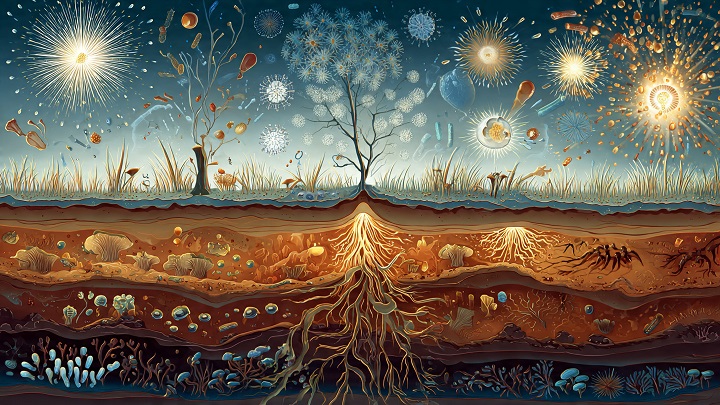
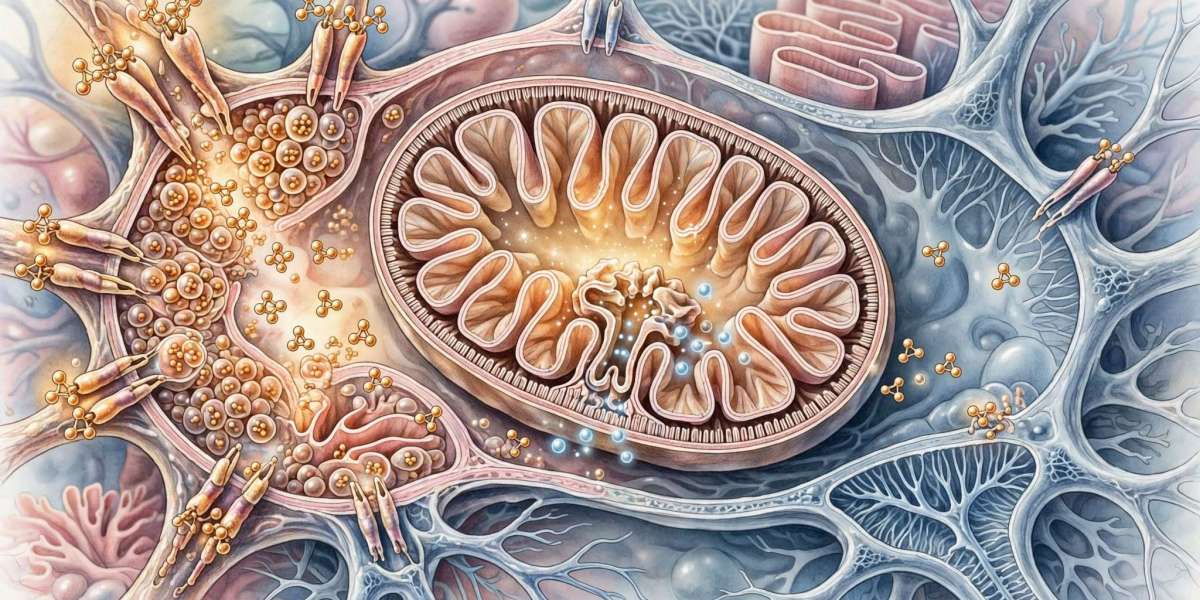
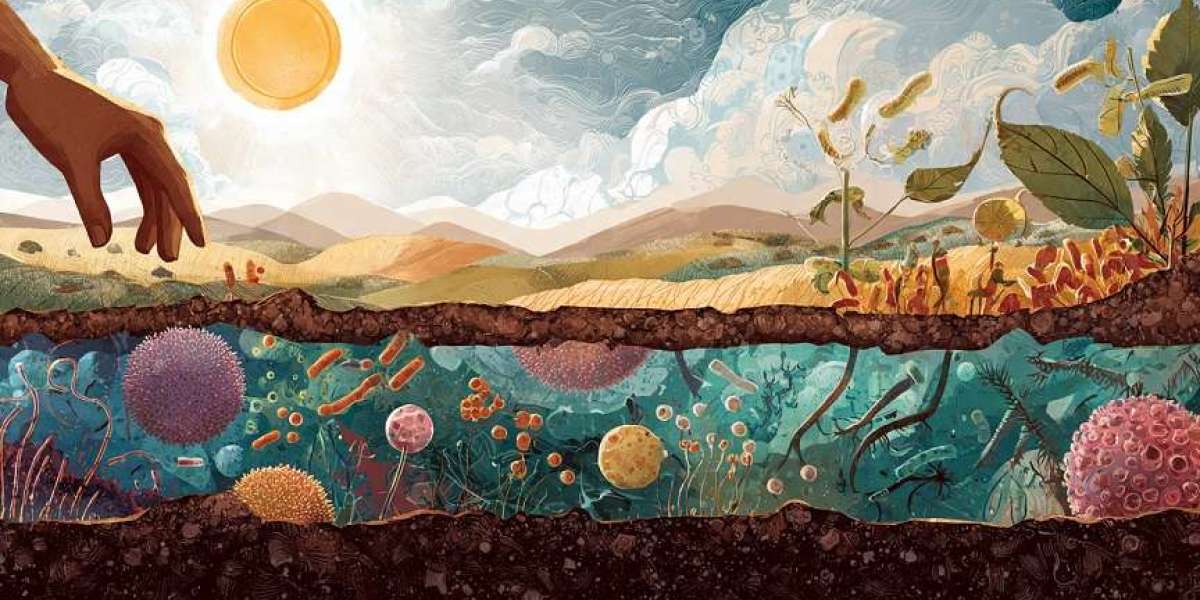
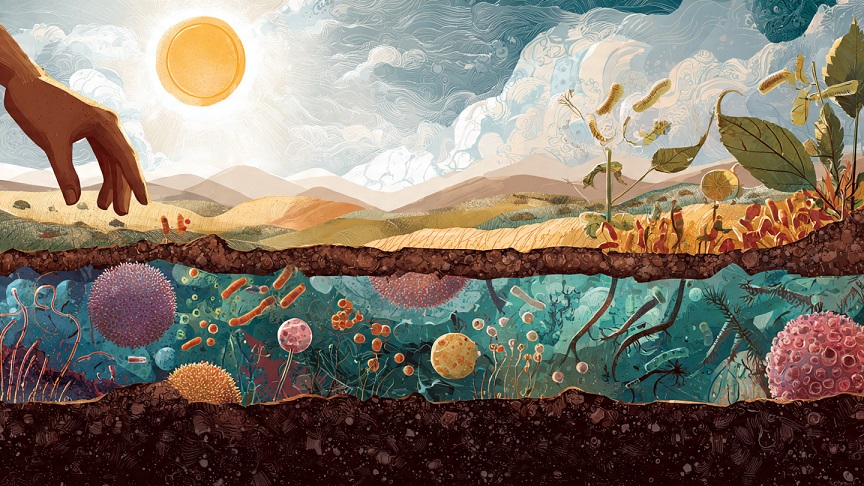
Beneath us, a millennia-long war is unfolding. Microbes in soil are constantly competing, and one of their strategies is producing antibiotics to eliminate rivals. As Dianne Newman, a microbiologist at Caltech, explains, “One of the strategies microbes have evolved to effectively compete is to produce antibiotics, to kill their neighbors.”
This natural microbial warfare has unexpectedly benefited humans: many of the antibiotics we rely on today were originally derived from soil bacteria. However, this same battlefield may be fostering the rise of antibiotic resistance.
Drought: A Catalyst for Resistance
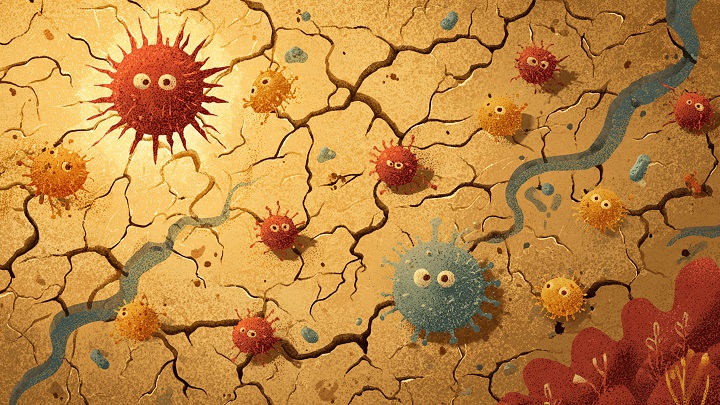
Researchers found that drought conditions can increase both antibiotic-producing genes and resistance genes in soil bacteria. When soil dries, the antibiotics naturally present can become concentrated through evaporation. Bacteria exposed to these higher doses adapt, creating a survival advantage for resistant strains.
Global soil studies revealed a clear pattern: the drier the soil, the higher the prevalence of antibiotic resistance genes. Conversely, wetter soils showed fewer resistance genes. This effect spans multiple antibiotic classes, suggesting a broad environmental influence.
From Dirt to Human Disease
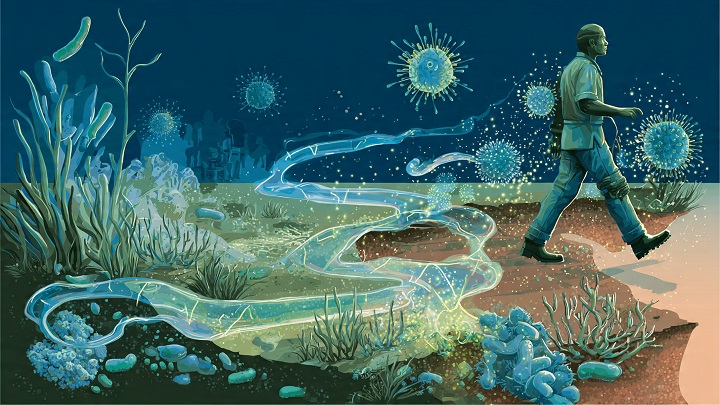
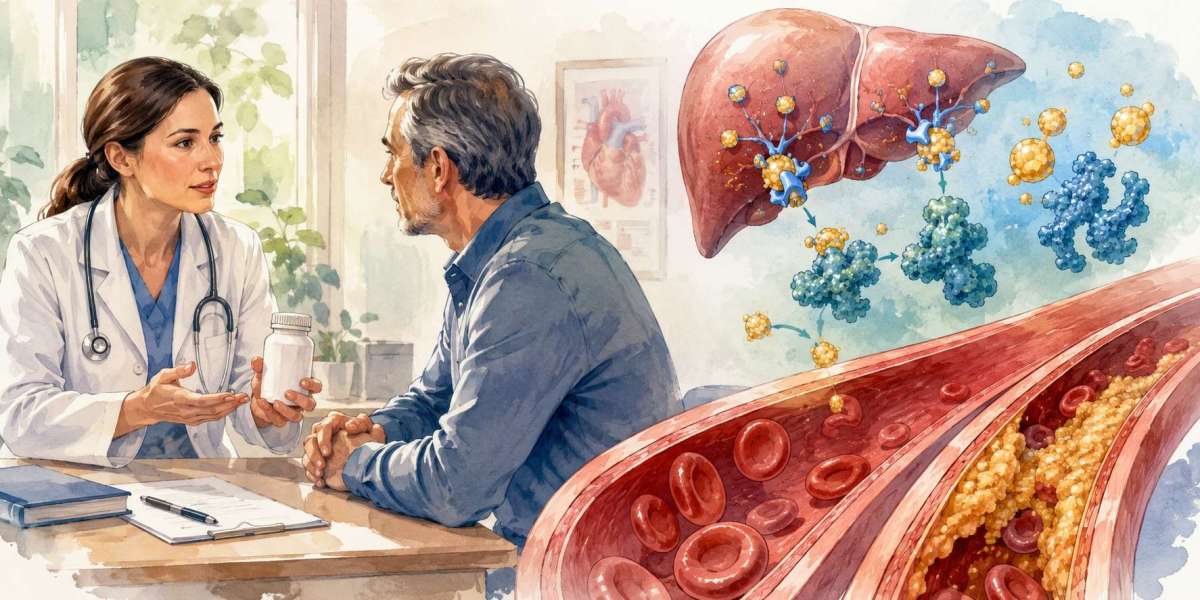
While most soil bacteria are harmless to humans, resistance genes don’t stay confined to the dirt. Through a process called horizontal gene transfer, bacteria can swap genes with neighboring species. Some of these genes have been found in human pathogens, sometimes as exact matches to soil genes. This suggests that even casual interactions with soil—like gardening or hiking—could provide opportunities for gene transfer.
Newman and her team analyzed hospital bacteria across 116 countries and found a correlation: drier regions tended to have higher levels of antibiotic-resistant infections. While other factors like healthcare quality also play a role, the link between soil dryness and resistance is strong and compelling.
Expert Perspectives
Timothy Ghaly, a microbial ecologist at Macquarie University, calls the findings “an awesome paper” and notes that drought is already impacting global health systems.
Ramanan Laxminarayan, an epidemiologist at Princeton, cautions that while environmental resistance is increasing, the direct translation to human infections is complex and influenced by multiple factors, including healthcare infrastructure.
Despite these nuances, experts agree that environmental conditions like drought can’t be ignored when considering the future of antibiotic resistance.
Implications for Climate Change and Public Health
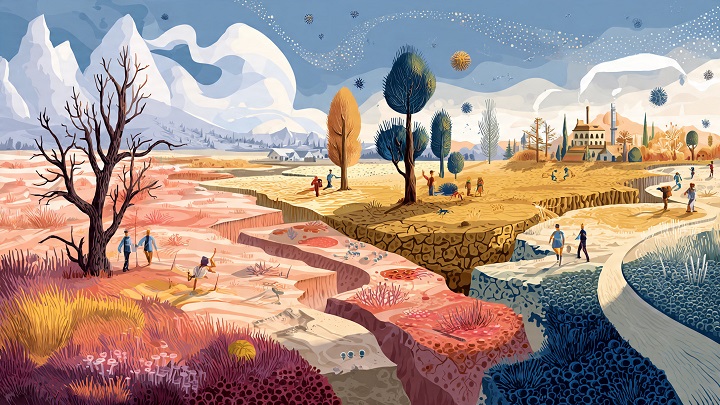
Climate change is expected to increase the frequency and severity of droughts worldwide. This environmental stressor may amplify the natural evolutionary pressures that create antibiotic-resistant bacteria. Understanding this link is crucial: protecting soil health and monitoring environmental resistance could become essential strategies to preserve the effectiveness of antibiotics.
Conclusion
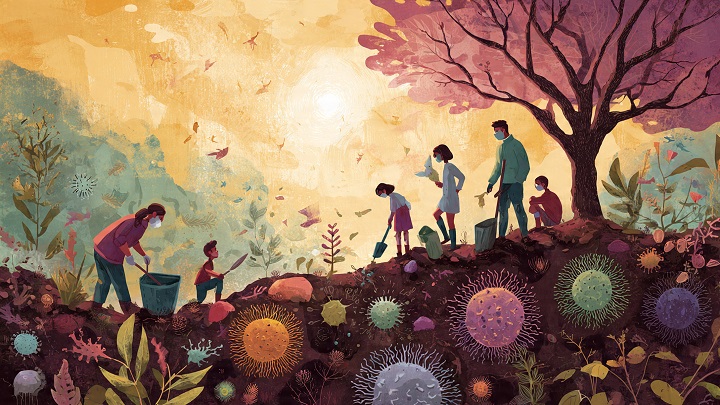
The soil beneath us is more than dirt—it’s a living, evolving ecosystem that affects human health in profound ways. By studying how environmental factors like drought drive antibiotic resistance, scientists are uncovering new opportunities to protect both our environment and our medicine cabinets. This research reminds us that tackling antibiotic resistance isn’t just about reducing prescriptions—it’s about respecting and understanding the natural systems that have coexisted with humans for millennia.
Key Points Summary
Soil bacteria naturally produce antibiotics to compete in their environment.
Drought concentrates antibiotics in soil, increasing resistance genes.
Resistant genes can transfer from soil bacteria to human pathogens.
Hospital infections may reflect environmental resistance patterns.
Climate change could worsen antibiotic resistance by increasing droughts.
advertisement
Frequently Asked Questions (FAQ)
Q1: How does soil bacteria resistance affect humans?
A1: Soil bacteria can share resistance genes with human pathogens through horizontal gene transfer, potentially leading to harder-to-treat infections.
Q2: Why does drought increase antibiotic resistance in soil?
A2: Drier conditions concentrate natural antibiotics in soil, exposing bacteria to higher doses and selecting for resistant strains.
Q3: Are all resistant soil bacteria dangerous to humans?
A3: No, most soil bacteria aren’t pathogens. However, their resistance genes can sometimes transfer to bacteria that infect humans.
Q4: Can climate change make antibiotic resistance worse?
A4: Yes. Increased droughts due to climate change may amplify the concentration of resistance genes in soil.
Q5: What can be done to reduce this risk?
A5: Monitoring environmental resistance, maintaining soil health, and judicious antibiotic use are key strategies.
Sources
NPR – Coverage on drought-driven antibiotic resistance in soil and its impact on human health
https://www.npr.org/2026/03/25/nx-s1-5754017/soil-may-be-a-source-of-resistance-to-antibiotics-new-research-suggestsNPR – Analysis of soil bacteria, drought, and the transfer of resistance genes to humans
https://www.npr.org/2026/03/27/g-s1-115318/antibiotic-resistance-bacteria-drought-climate-change
Thank you !