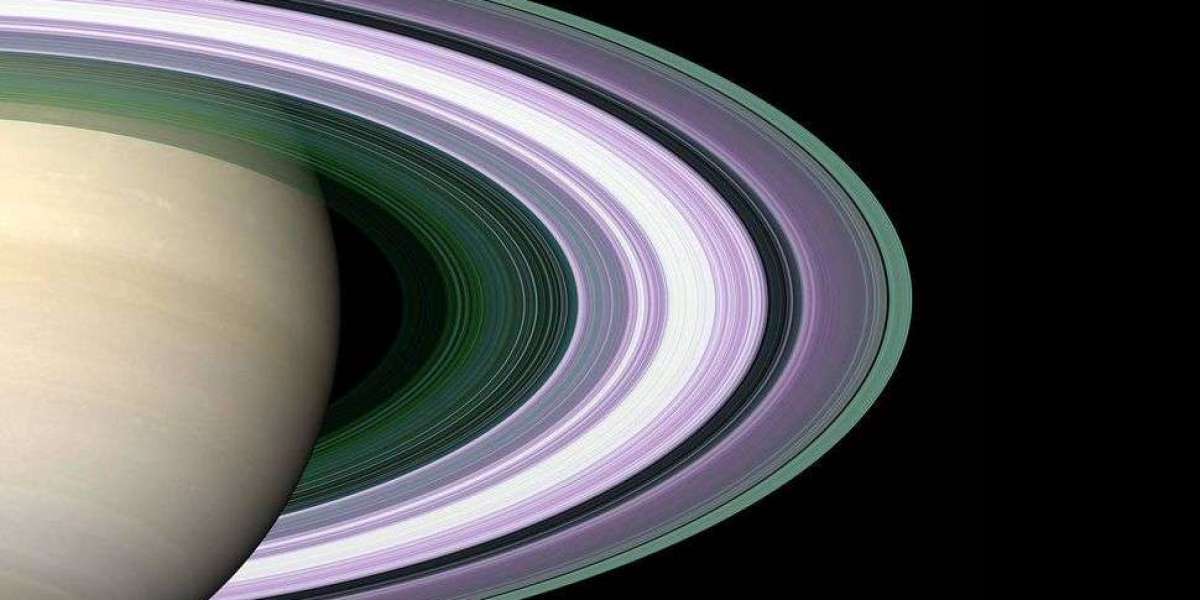

article image source: space.com (Link)
Saturn’s Rings Origin Explained: New Evidence Suggests a Shattered Moon Created Them
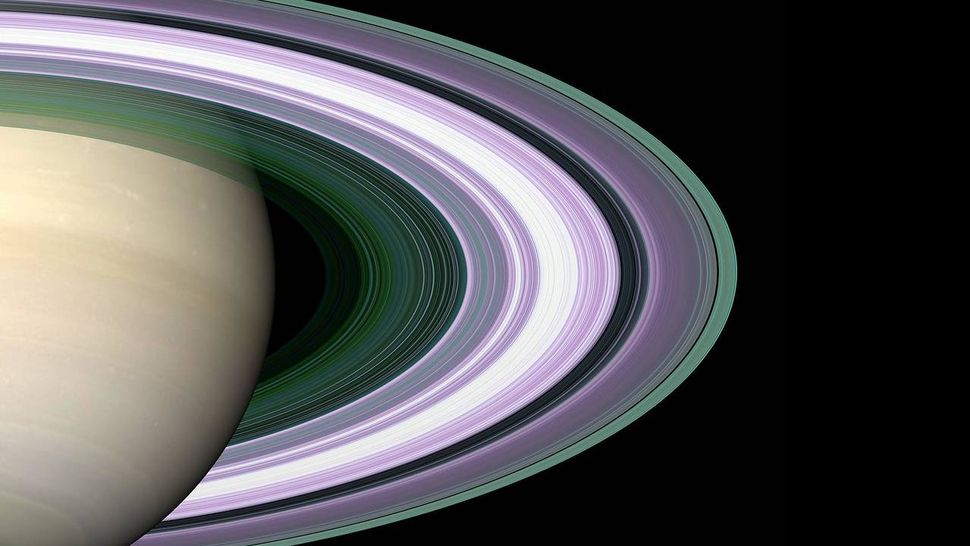
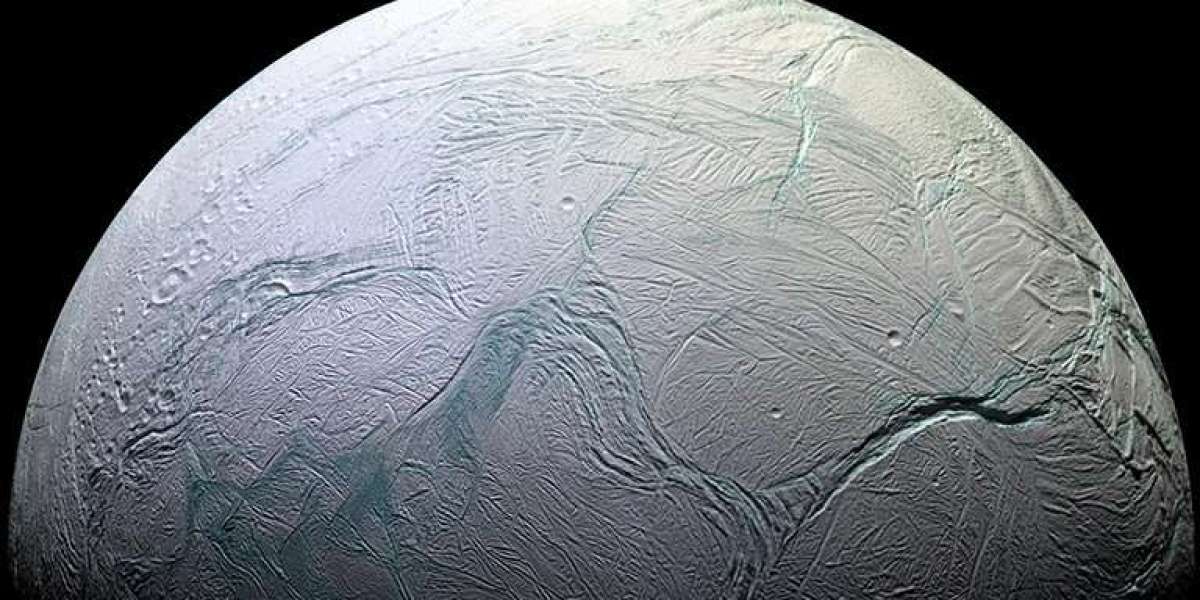
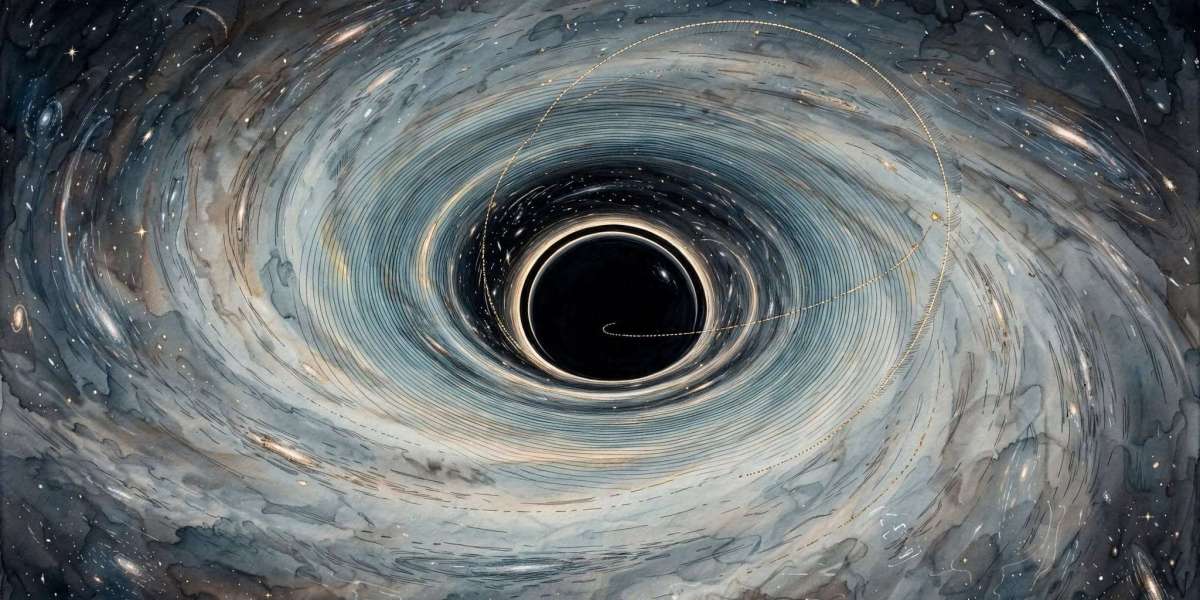
The most detailed look ever at Saturn's rings, obtained by the Cassini spacecraft, new research suggests may be the icy remains of a shattered moon.
(Image credit: NASA/JPL)
source: space.com
Key Highlights:
A lost moon named Chrysalis may have been torn apart to form Saturn’s rings.
The same event could explain Saturn’s unusual tilt of 26.7 degrees.
New simulations show how icy debris evolved into the rings we see today.
advertisement
Introduction: A Cosmic Mystery Revisited
For decades, scientists have debated the origin of Saturn’s stunning rings.
Are they ancient remnants from the planet’s formation, or something far more recent?
New research now strengthens a fascinating theory: Saturn’s rings may be the remains of a long-lost, shattered moon.
This discovery not only sheds light on the rings themselves but also helps explain Saturn’s unusual tilt — solving two cosmic mysteries at once.
A Lost Moon Named Chrysalis
According to recent findings presented at the Lunar and Planetary Science Conference in Texas (March 10–14, 2026), a hypothetical moon called Chrysalis once orbited Saturn.
This moon may have existed for billions of years before its orbit became unstable.
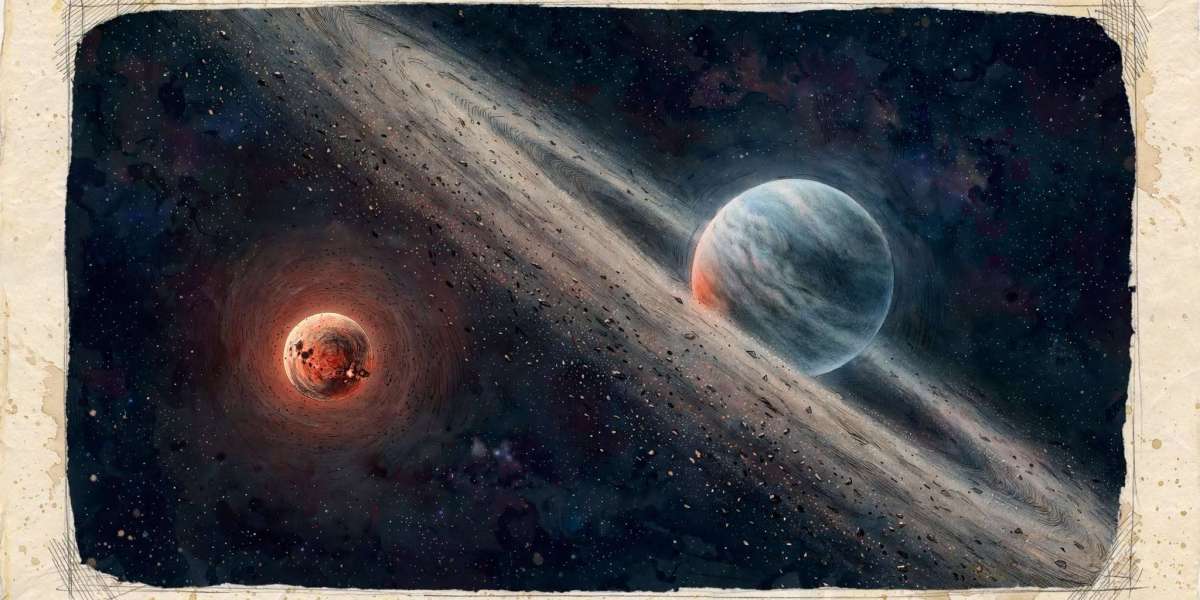
Roughly 100 million to 200 million years ago, Chrysalis drifted too close to Saturn.
The planet’s immense gravitational pull — known as tidal forces — began tearing the moon apart.
A Catastrophic Breakup
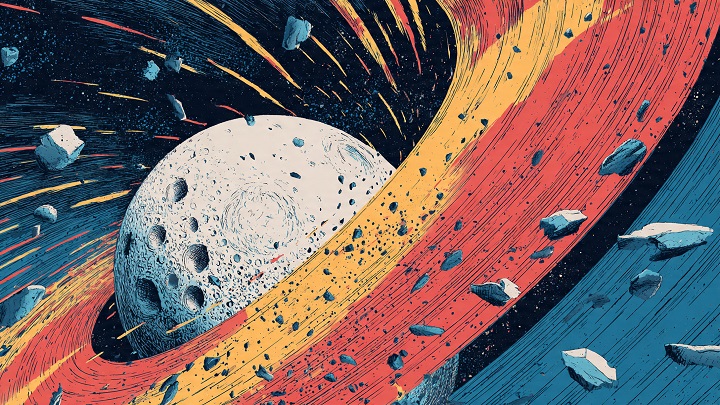
As Chrysalis approached Saturn, its icy outer layers were stripped away.
Much of the moon’s material either fell into Saturn or was destroyed entirely.
However, a crucial portion of debris remained in orbit.
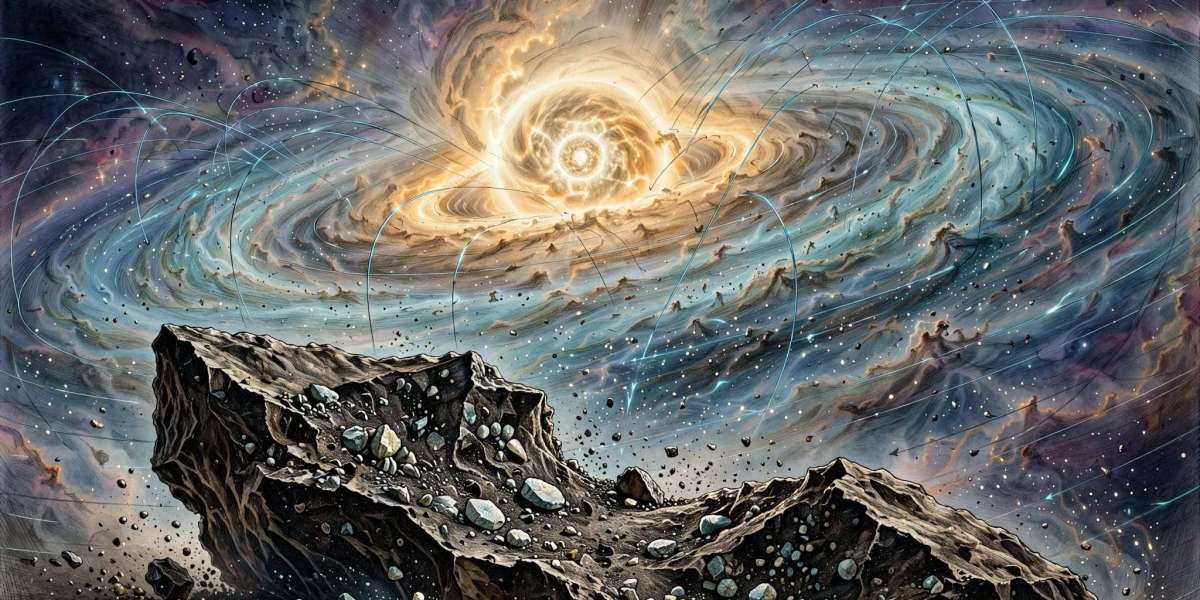
Over time, this debris collided, spread out, and formed the magnificent ring system we observe today.
This scenario provides a compelling explanation for why Saturn’s rings appear surprisingly young, despite the planet itself being over 4.5 billion years old.
Why Saturn’s Rings Are Mostly Ice
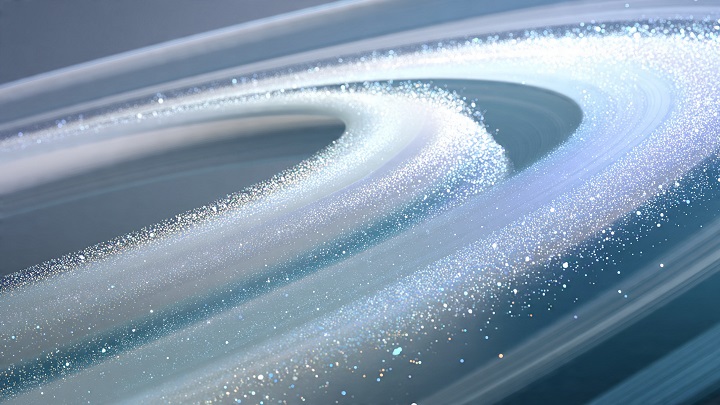
One of the biggest mysteries about Saturn’s rings is their composition.
They are made almost entirely of water ice, with very little rocky material.
New computer simulations reveal why.
Saturn’s tidal forces likely stripped away the moon’s icy mantle, while leaving much of its rocky core intact.
This explains the rings’ bright, icy nature — a key clue supporting the shattered-moon theory.
The Role of Titan and Other Moons
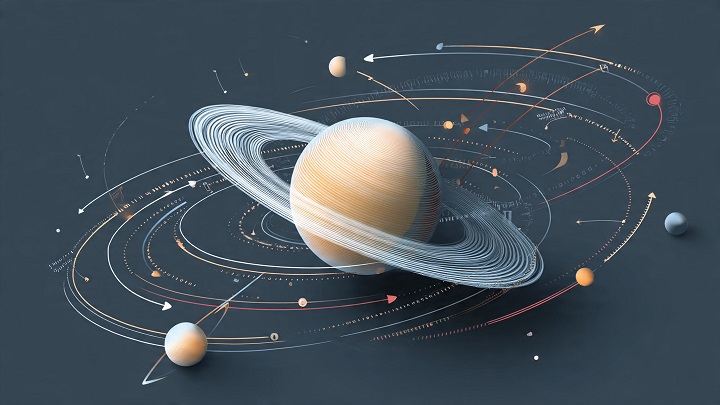
The story doesn’t end with the initial breakup.
Saturn’s large moons, especially Titan, played a major role in shaping the rings over time.
Gravitational interactions with these moons may have removed up to 70% of the original ring material.
This suggests that Saturn’s rings were once far more massive than they are today.
Solving Saturn’s Tilt Mystery
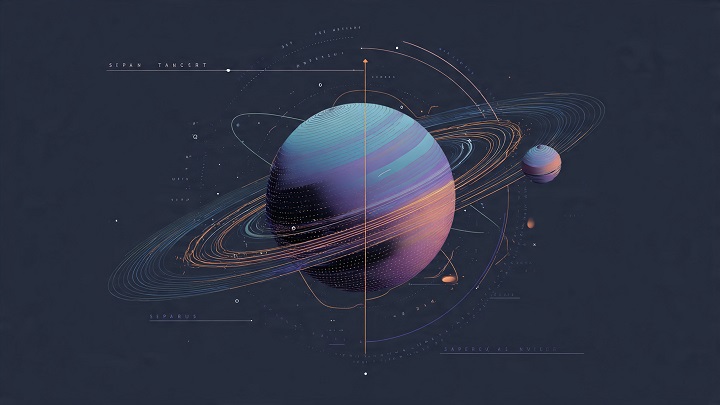
Saturn is tilted at about 26.7 degrees, a feature long thought to be linked to gravitational interactions with Neptune.
Earlier research suggested that Chrysalis helped maintain a gravitational resonance between Saturn and Neptune for billions of years.
When Chrysalis was destroyed, this balance was disrupted.
The result? Saturn’s current tilt — preserved as a lasting signature of that ancient catastrophe.
What Happened to the Moon’s Core?
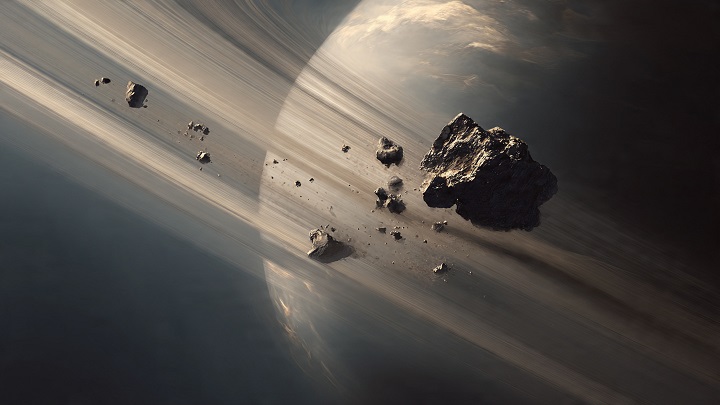
While the icy layers formed the rings, the fate of Chrysalis’ rocky core remains uncertain.
Scientists suggest it may have:
Fallen into Saturn
Been ejected from orbit
Left traces elsewhere in the system
Future missions may detect evidence, such as unusual impact marks on Saturn’s icy moons.
Conflicting Perspectives and Open Questions
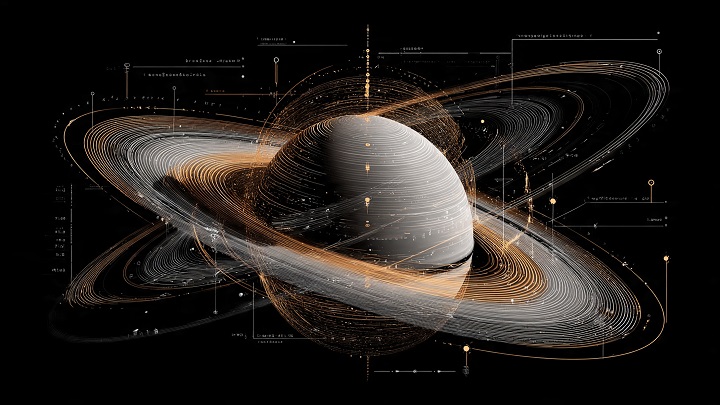
While this shattered-moon theory is gaining strong support, scientists acknowledge that uncertainties remain.
For instance:
It is unclear whether Saturn had an earlier ring system before this event.
The exact fate of Chrysalis’ core is still unknown.
Additional evidence is needed to confirm whether debris impacted other moons.
These open questions ensure that the debate over Saturn’s rings is far from over.
Conclusion: A Violent Past Behind a Beautiful Wonder
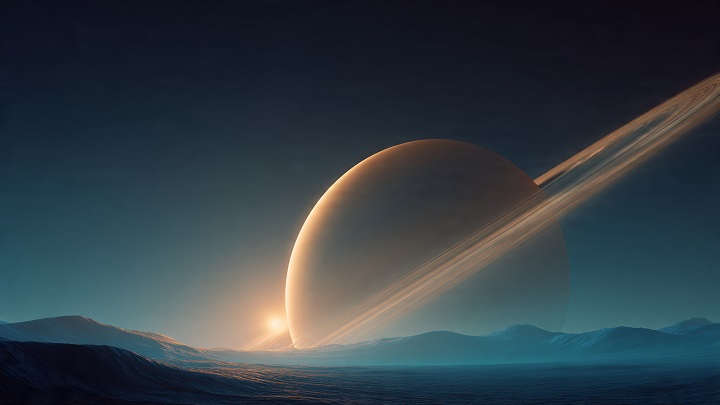
Saturn’s rings, often seen as symbols of elegance and serenity, may actually be the remnants of a dramatic cosmic disaster.
The idea that a moon was torn apart to create them transforms our understanding of the solar system.
It reveals a universe shaped not only by slow evolution but also by sudden, catastrophic events.
As new research and future space missions continue to explore Saturn, we may uncover even more clues about Chrysalis and the origins of its breathtaking rings.
In the end, Saturn’s beauty may be a reminder that even destruction can give rise to something extraordinary.
Key Points
Saturn’s rings may have formed from a destroyed moon named Chrysalis.
The breakup likely occurred 100–200 million years ago.
The rings’ icy composition matches the moon’s outer layers.
Saturn’s tilt may be linked to the moon’s destruction.
Titan and other moons reshaped the rings over time.
advertisement
Frequently Asked Question (FAQ)
1. Are Saturn’s rings made from a moon?
Possibly. New research suggests they formed from a shattered moon called Chrysalis.
2. How old are Saturn’s rings?
They may be relatively young — around 100 million years old.
3. Why are the rings mostly ice?
Because Saturn’s gravity likely stripped the icy outer layer of the moon, leaving little rock.
4. What caused Saturn’s tilt?
The destruction of Chrysalis may have disrupted gravitational interactions, leading to the current tilt.
5. What happened to the rest of the moon?
Most likely fell into Saturn or was lost, though its exact fate is still unknown.
Sources
- Space.com – News report on new research about Saturn’s rings and the Chrysalis moon theory
https://www.space.com/astronomy/saturn/are-saturns-rings-made-of-a-lost-shattered-moon-new-evidence-arises-for-the-case
Thank you !