
article image source: sciencealert.com (Link)
Alzheimer’s Breakthrough: New Treatment Restores Memory in Mice Through Epigenetic Reprogramming
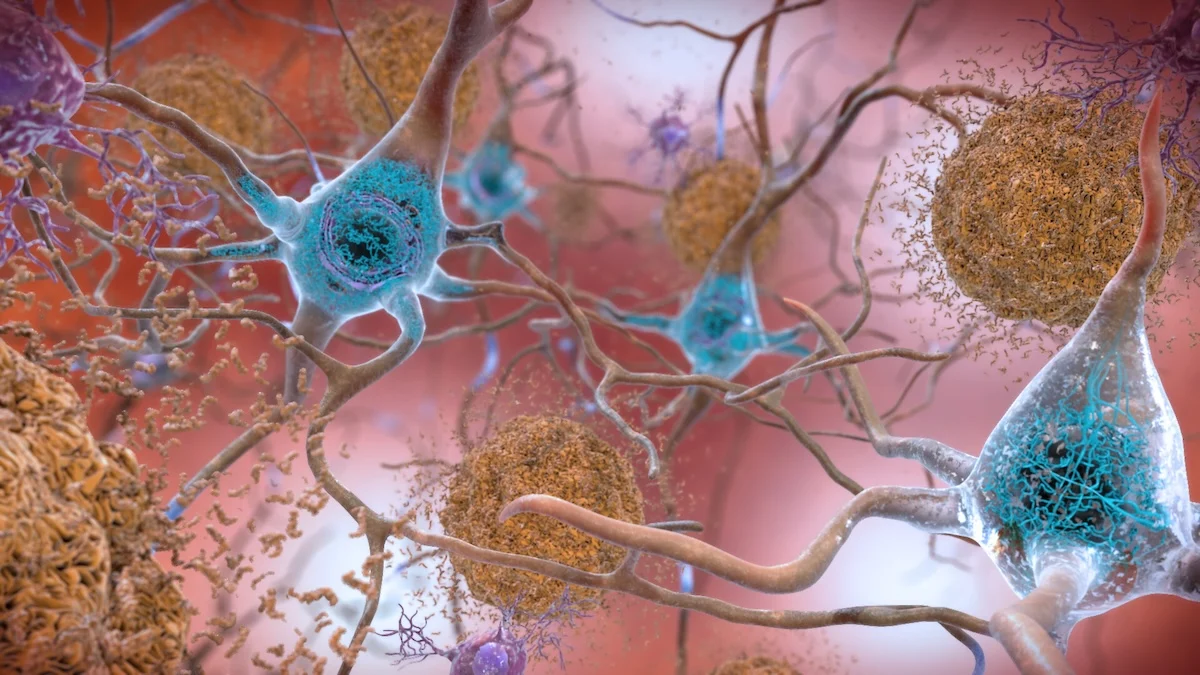
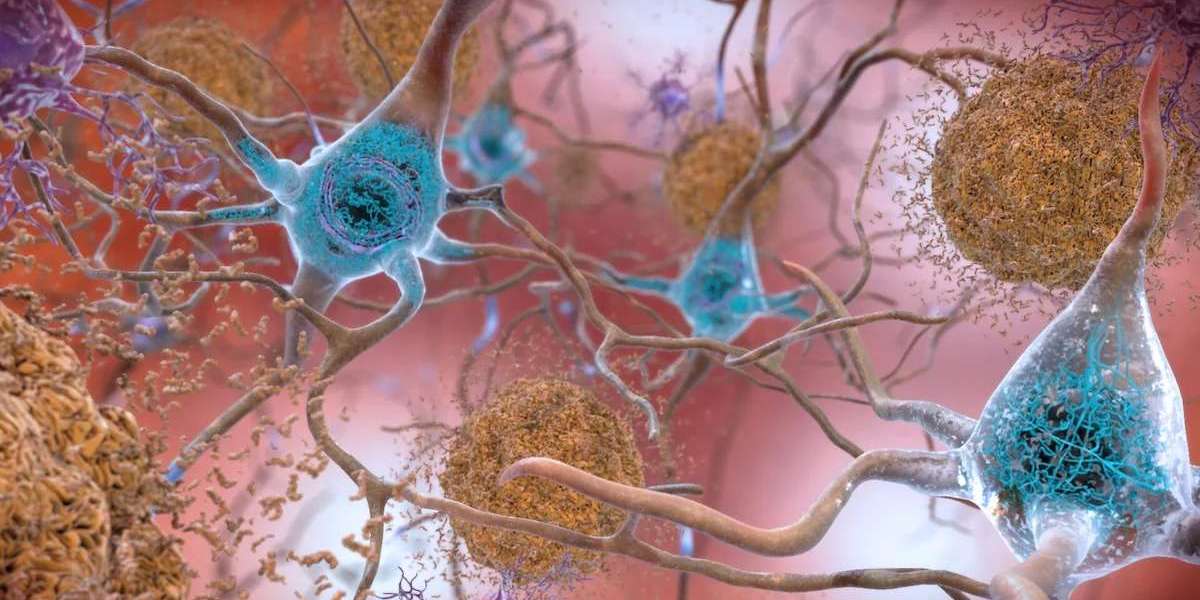
In Alzheimer's, abnormal proteins clump together to form plaques between cells (brown) and inside cells (blue). (NIH/Flickr/Public Domain)
image source: sciencealert.com
Key Points:
FLAV-27 targets the root epigenetic causes of Alzheimer’s, not just protein plaques.
Memory and cognitive functions were restored in mouse models.
Epigenetic therapy could redefine Alzheimer’s treatment strategies.
advertisement
Alzheimer’s disease, the most common form of dementia worldwide, may have met its next potential breakthrough. While current treatments focus on removing amyloid-beta plaques or targeting tau proteins, a novel compound called FLAV-27 offers a revolutionary approach: restoring memory and cognitive functions by reprogramming the epigenome of neurons.
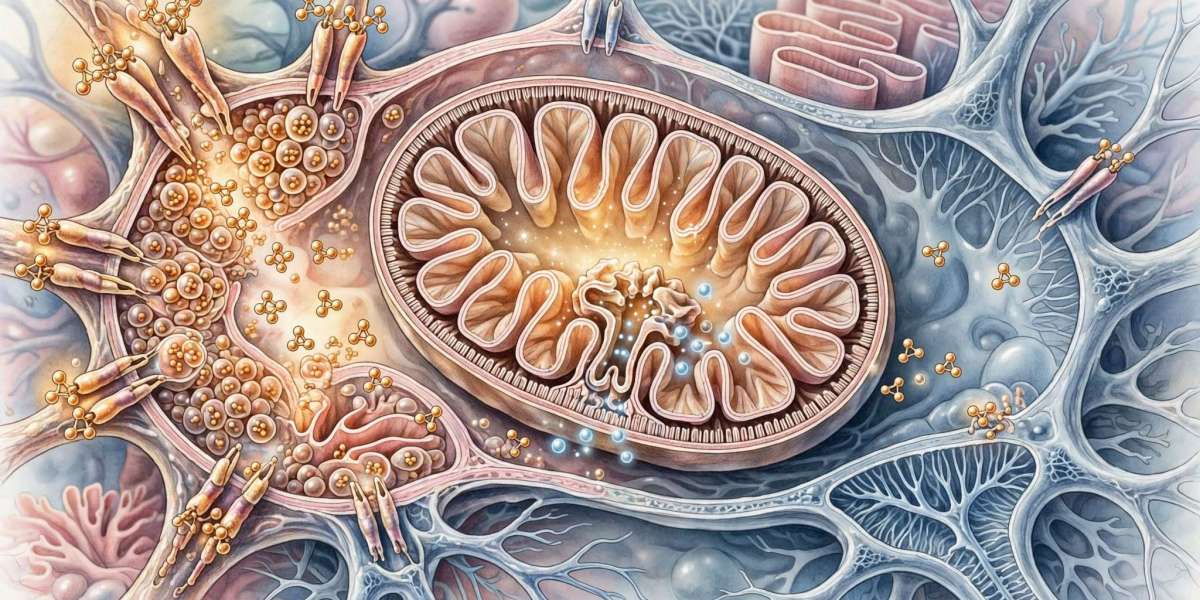
Unlike traditional therapies, FLAV-27 does not just slow disease progression—it acts on the underlying molecular mechanisms that fuel Alzheimer’s. Researchers from the University of Barcelona Institute of Neurosciences found that the compound inhibits the enzyme euchromatic histone-lysine N-methyltransferase 2 (EHMT2/G9a), a key regulator of gene expression in the brain. By blocking this enzyme, FLAV-27 alleviates epigenetic dysregulation, allowing neurons to regain normal function.
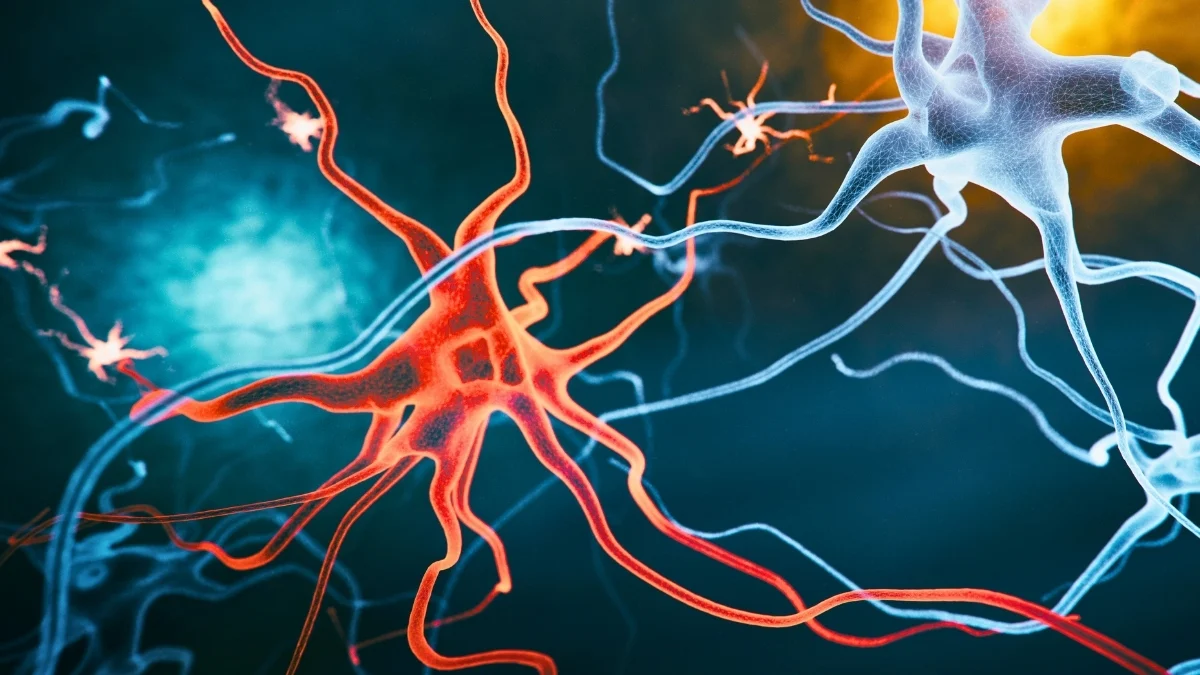
image credit: (koto_feja/Canva)
source: sciencealert.com
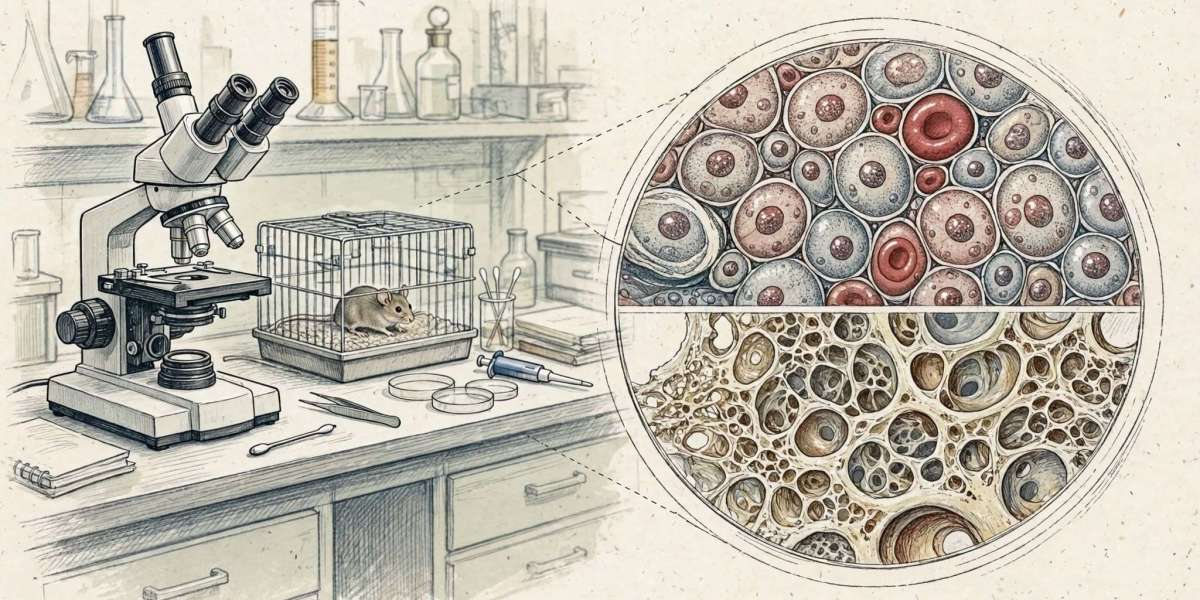
In laboratory studies, FLAV-27 demonstrated promising results across multiple models. In nematode worms (Caenorhabditis elegans), the compound improved mobility, extended lifespan, and increased mitochondrial respiration, a critical process that fuels cells. In mouse models of both early- and late-onset Alzheimer’s, FLAV-27 restored memory performance, social behavior, and synaptic function—the communication hubs of brain cells.
Current Alzheimer’s treatments, including monoclonal antibodies like lecanemab and donanemab, only slow cognitive decline by around 30% and do not reverse the damage. FLAV-27 represents a fundamentally different approach, targeting upstream epigenetic changes rather than the protein byproducts of the disease. As lead author Aina Bellver-Sanchis explains, the compound may modify the disease process itself, offering hope for treatments that go beyond symptom management.
advertisement
However, FLAV-27 is still in the early stages of research. Human trials are not yet underway, and additional studies—including toxicology tests in multiple animal species—are necessary before it can advance to clinical use. Still, these findings suggest that epigenetic dysregulation could be the central mechanism linking the various pathological features of Alzheimer’s, potentially redefining how scientists approach the disease.
Conclusion
FLAV-27 represents a pioneering step toward treating Alzheimer’s at its root rather than just managing its symptoms. By targeting the epigenetic mechanisms that control gene expression in neurons, this therapy has restored memory and cognitive abilities in animal models, offering a glimpse into a future where Alzheimer’s could be slowed, halted, or even reversed. While human applications are still on the horizon, this research provides a beacon of hope for millions affected by the disease and highlights the untapped potential of epigenetic therapies in neurodegenerative conditions.
Key Points Summary
FLAV-27 is a novel compound targeting the epigenetic root of Alzheimer’s.
The drug inhibits G9a enzyme, restoring gene expression in neurons.
Memory, social behavior, and synaptic function were recovered in mice.
Current antibody treatments only slow decline; FLAV-27 shows reversal potential.
Human trials are not yet underway, but preclinical results are promising.
advertisement
Frequently Asked Questions (FAQ)
Q1: What is FLAV-27?
A: FLAV-27 is a novel compound that targets the enzyme G9a to restore normal gene expression in neurons, potentially reversing Alzheimer’s-related cognitive decline.
Q2: How does it differ from current Alzheimer’s treatments?
A: Unlike drugs that focus on amyloid-beta plaques or tau proteins, FLAV-27 works epigenetically to address the root molecular causes of the disease.
Q3: Has FLAV-27 been tested in humans?
A: Not yet. Research has so far been conducted in cell models, nematodes, and mice. Human trials will require further toxicology studies.
Q4: What were the results in animal studies?
A: In mice, FLAV-27 restored memory, social behaviors, and synaptic function. In nematodes, it improved mobility, lifespan, and mitochondrial activity.
Q5: Could this cure Alzheimer’s?
A: While FLAV-27 shows promise in reversing symptoms in animals, it is too early to determine its effects in humans. It does, however, provide a promising new direction for research.
Sources
ScienceAlert – Article detailing the discovery of FLAV-27 and its effects in mice and nematodes
https://www.sciencealert.com/new-alzheimers-treatment-strategy-reverses-cognitive-decline-in-miceMolecular Therapy – Original study on FLAV-27 and epigenetic targeting of Alzheimer’s
https://www.cell.com/molecular-therapy-family/molecular-therapy/fulltext/S1525-0016(25)01061-5
Thank you !