
(What will be mentioned in this article is for advice and is not a substitute for consulting a doctor)
COVID Variant “Cicada” (BA.3.2): What You Need to Know About the Highly Mutated Strain
What to know about COVID variant 'Cicada' as cases rise
Michigan health officials monitoring new ‘Cicada’ COVID-19 variant
Key Points:
Highly mutated COVID-19 variant BA.3.2, nicknamed “Cicada,” spreading globally.
Symptoms resemble typical COVID infections; vaccine effectiveness may vary.
CDC and WHO recommend precautions, monitoring, and updated boosters.
advertisement
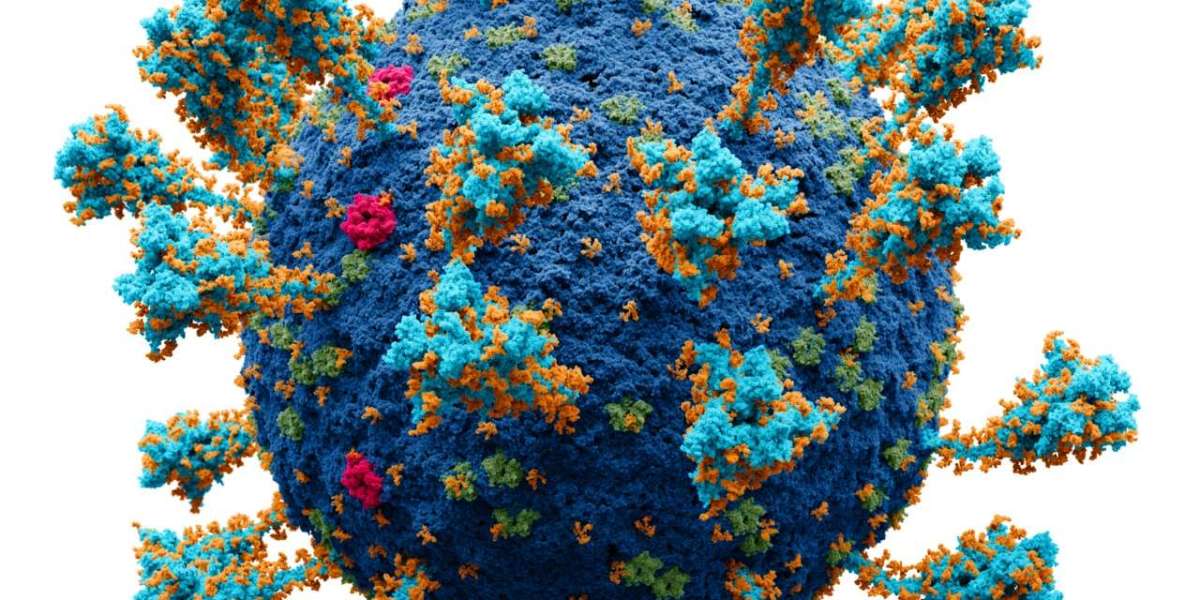
The COVID-19 landscape is evolving once again with the emergence of a highly mutated variant known as BA.3.2, or “Cicada”, drawing attention from health authorities worldwide. First detected in South Africa in November 2024, Cicada remained largely “underground” before gradually appearing in the United States, Europe, and Asia. Its nickname stems from the insect’s pattern of long periods of invisibility, reflecting how this variant quietly circulated before detection.
Cicada has been identified in wastewater and nasal swabs in at least 25 U.S. states, including Michigan, California, Florida, and New York, as well as in over 20 countries such as Japan, Kenya, Germany, and the Netherlands. While still accounting for a smaller percentage of U.S. COVID cases, it represents up to 30% of infections in parts of Northern Europe, raising concerns about its potential to become a dominant strain.
advertisement
The 70–75 mutations that distinguish BA.3.2 from earlier strains, such as JN.1, make it highly divergent. Experts, including Dr. Robert H. Hopkins Jr., note that these mutations could affect vaccine effectiveness, though current boosters continue to offer protection against severe disease. “Monitoring the spread of BA.3.2 provides valuable information about its potential to evade immunity from prior infection or vaccination,” the CDC reported.
Symptoms of the Cicada variant mirror those of other COVID-19 infections, including runny or stuffy nose, headache, fatigue, sneezing, sore throat, coughing, and changes in taste or smell. Some patients also report severe throat discomfort, described as a “razorblade throat.” There is currently no evidence that Cicada causes more severe illness than other variants.
Precautionary measures recommended by health authorities remain consistent with general COVID guidelines:
Stay home and isolate if symptomatic or COVID-positive.
Wear high-quality masks like N95s around others.
Maintain good ventilation indoors.
Keep vaccinations and boosters up to date.
Monitor symptoms and seek medical care as needed.
Follow proper hygiene and disinfect shared surfaces.
Although experts caution that the United States remains vulnerable, especially in areas with low vaccination coverage, they also emphasize that continued vigilance, timely booster campaigns, and public health measures can mitigate the spread of Cicada. The emerging data underscore the importance of adaptive strategies to stay ahead of evolving COVID variants.
Conclusion:
The BA.3.2 Cicada variant is a reminder that COVID-19 continues to evolve, demanding awareness, adaptability, and proactive measures. While its spread is still limited in the U.S., global data indicate it could rise in prevalence. Staying informed, following CDC and WHO guidelines, and maintaining up-to-date vaccinations are essential. Cicada’s emergence also highlights the strength of surveillance systems like wastewater monitoring in early detection, offering a pathway to anticipate and contain future variants. With coordinated public health efforts and personal vigilance, communities can reduce the risk of widespread outbreaks and protect vulnerable populations.
Key Points Summary
Variant Name: BA.3.2, nicknamed Cicada
Mutations: 70–75, highly divergent from previous strains
Global Spread: Detected in 25 U.S. states and 23+ countries
Symptoms: Runny nose, headache, fatigue, sore throat, cough, loss of taste/smell
Vaccine Guidance: Boosters still protect against severe illness
Precautions: Masks, isolation, ventilation, hygiene, vaccination
advertisement
Frequently Asked Questions (FAQ)
Q: Why is BA.3.2 called “Cicada”?
A: Its nickname comes from the insect that remains underground for years, reflecting how the variant went largely undetected after initial emergence.
Q: Is Cicada more severe than other COVID variants?
A: Current data suggest its symptoms are similar to other variants, with no evidence of increased severity.
Q: Where has Cicada been detected?
A: Detected in at least 25 U.S. states, including Michigan and California, and in over 23 countries, including Germany, Japan, and Kenya.
Q: Do current vaccines work against Cicada?
A: Existing COVID vaccines may have reduced effectiveness against infection, but they continue to protect against severe disease and hospitalization.
Q: What precautions should I take?
A: Follow CDC guidance: isolate if positive, wear an N95 mask, ensure good ventilation, maintain hygiene, monitor symptoms, and stay up to date with boosters.
Sources
USA TODAY – Overview of COVID-19 BA.3.2 “Cicada” variant, global spread, symptoms, and CDC guidance
https://www.usatoday.com/story/news/health/2026/03/25/covid-19-variant-cicada-spreading/89317059007/Detroit Free Press – Cicada COVID variant detected in Michigan and other states, symptoms, vaccines, and precautions
https://www.freep.com/story/news/health/2026/03/26/cicada-covid-variant-michigan-health-vaccines-cdc-who/89328645007/
Thank you !