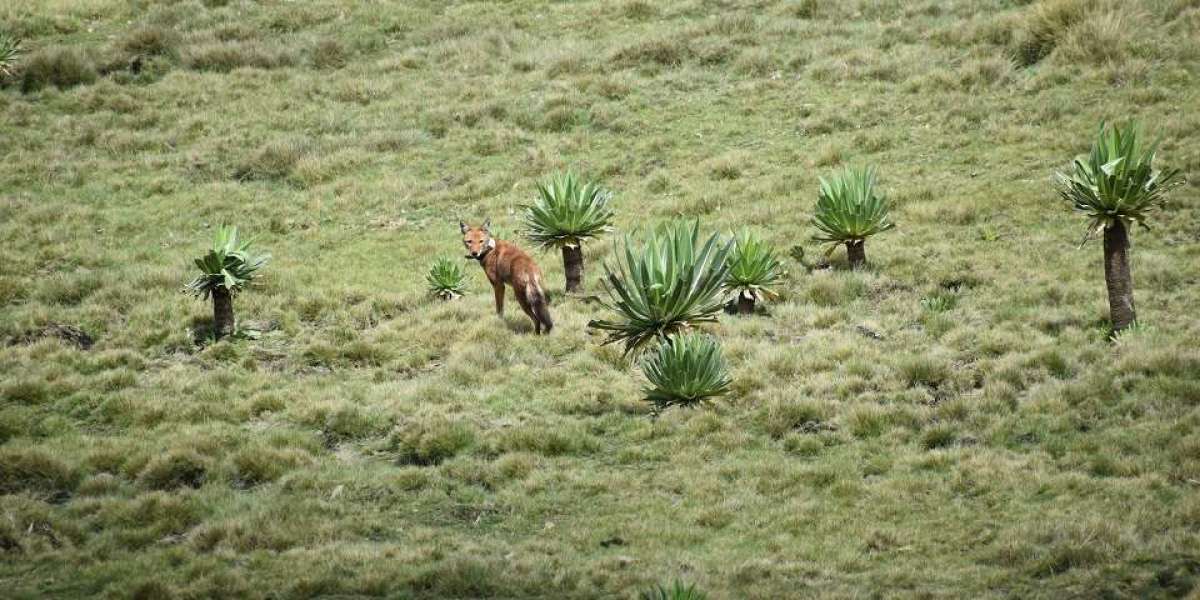

article image source: theconversation.com (Link)
Terefe the Ethiopian Wolf: How Africa’s Rarest Carnivore Was Rescued, Rehabilitated, and Returned to the Wild
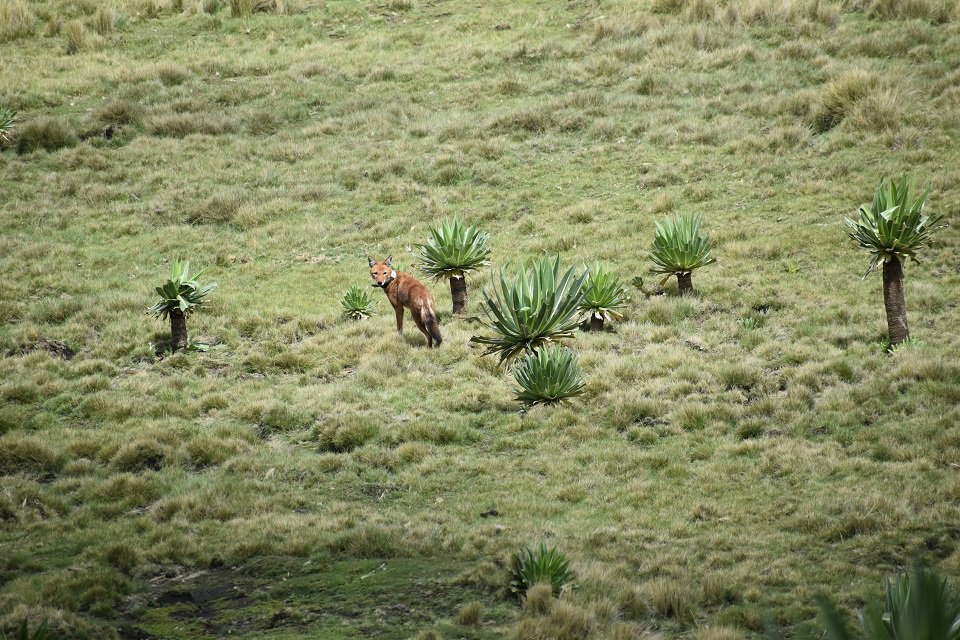
The first sighting of Terefe, the endangered Ethiopian wolf, after his release from rehabilitation. Courtesy Fasika N., Ethiopian Wolf Conservation Programme
image source: theconversation.com
♦ A single injured wolf changed conservation history in Ethiopia
♦ Fewer than 500 Ethiopian wolves remain in the wild today
♦ One rescue reshaped science, community attitudes, and hope for an entire species
advertisement
Introduction: Why One Wolf Matters
High in Ethiopia’s Simien Mountains, where thin air, freezing nights, and scarcity define survival, lives the Ethiopian wolf (Canis simensis), Africa’s rarest and most endangered carnivore. With fewer than 500 adults remaining in fragmented highland habitats, every individual matters. Conservationists often face a harsh ethical reality: severely injured wild animals are usually euthanized to prevent suffering and avoid disrupting fragile ecosystems. Yet in rare cases, intervention can rewrite what is considered possible. The story of Terefe, the first Ethiopian wolf ever captured, treated in captivity, and successfully returned to the wild, stands as a landmark moment in African wildlife conservation and a powerful example of how science, compassion, and community can intersect.
Why This Story Matters
Ethiopian wolf is Africa’s most endangered carnivore
Fewer than 500 adults survive in isolated populations
Conservation usually avoids captivity for wild predators
One wolf challenged long-held assumptions
Life on the Edge: The Ethiopian Wolf and Its Fragile World
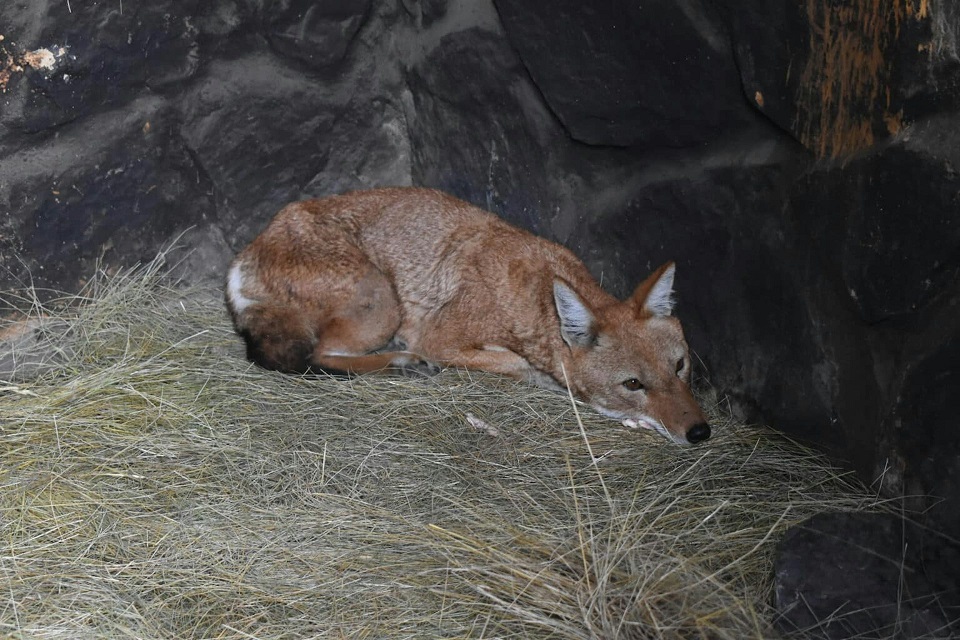
Terefe, just before his release. Fasika N, Wildlife Conservation Network
image source: theconversation.com
The Simien Mountains rise more than 3,000 meters above sea level, forming a harsh Afroalpine ecosystem where the Ethiopian wolf reigns as the top predator. Unlike other wolves, this species is highly specialized, feeding mainly on highland rodents. This narrow ecological niche, combined with habitat loss, disease from domestic dogs, and human conflict, has pushed the species to the brink. In the Simien Mountains National Park alone, only about 60–70 wolves remain, making every loss a serious blow to genetic diversity and long-term survival.
The Ethiopian Wolf at a Glance
Scientific name: Canis simensis
Habitat: Ethiopian highlands
Diet: Primarily rodents
Main threats: Disease, habitat loss, human activity
A Gunshot in the Mountains: The Injury That Changed Everything
In early May 2020, park scouts discovered a male Ethiopian wolf lying injured beneath a bridge. He had been shot, suffering a fractured femur that left him unable to move or hunt. In such unforgiving terrain, separation from his pack would normally mean certain death. However, because the injury was caused by humans and the local wolf population was critically small, Ethiopian wildlife authorities and the Ethiopian Wolf Conservation Programme made an unprecedented decision: attempt a rescue.
This choice marked the first time in recorded history that an Ethiopian wolf would be captured and held in captivity for medical treatment.
The Critical Decision
Injury caused by a gunshot
Wolf unable to survive alone
No prior record of captive Ethiopian wolves
Conservation urgency drove intervention
Terefe: The Lucky Survivor
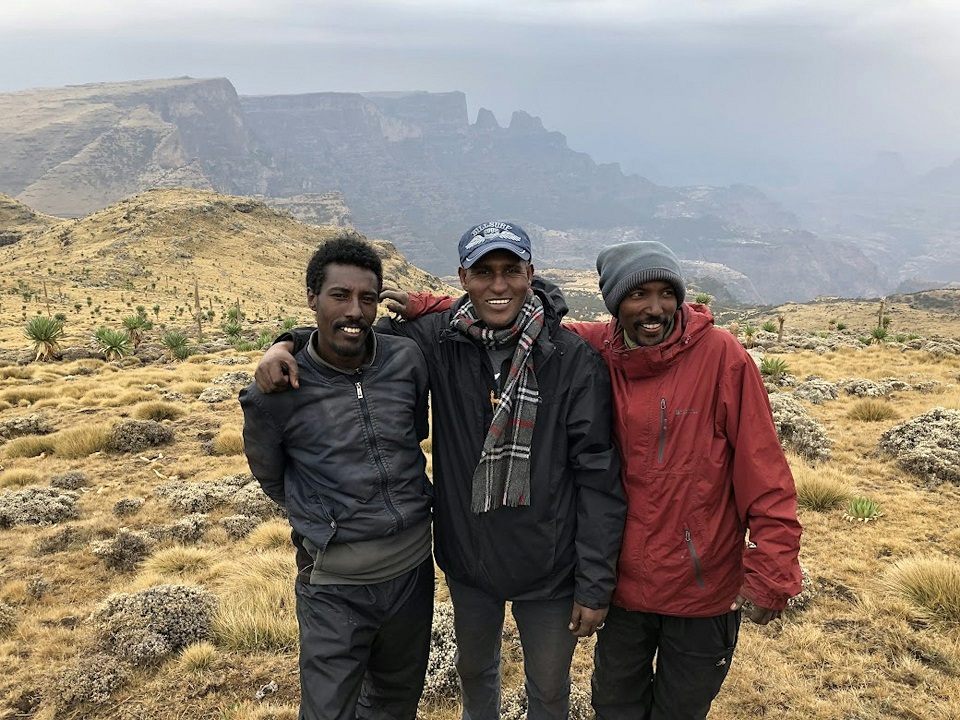
Simien Mountains wolf monitoring team, Andualem, Getachew and Jejaw (from left) Courtesy Sandra Lai
image source: theconversation.com
A small mountain shelter was rapidly converted into a makeshift enclosure. Over 51 days, the wolf received intensive veterinary care under the guidance of Ethiopian wolf specialists. Local community guard Chilot Wagaye provided daily care, while wolf monitor team leader Getachew Assefa coordinated efforts on the ground. Progress was slow and uncertain at first, but gradually the fractured bones healed. After one month, the wolf stood again. He was named Terefe, meaning “lucky survivor” in Amharic, a name that soon carried far greater meaning.
Inside the Rehabilitation
51 days of captivity and treatment
Continuous veterinary supervision
Care provided by local community members
First successful clinical recovery of the species
advertisement
Back to the Wild: A Scientific First
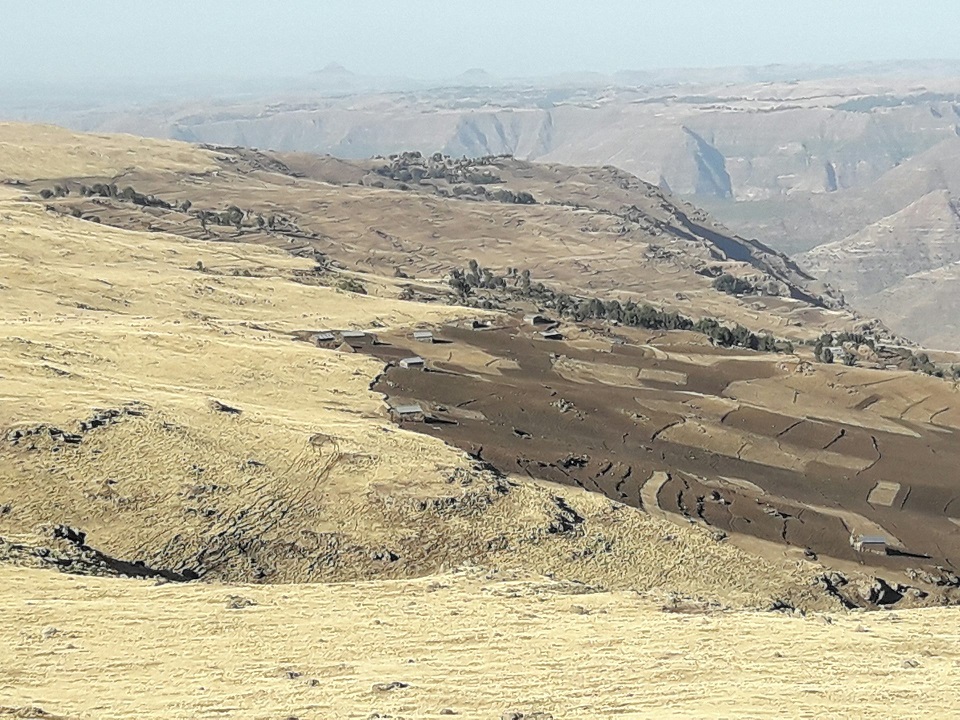
The tiny village of Shehano. Courtesy Ethiopian Wolf Conservation Programme
image source: theconversation.com
By late June 2020, Terefe’s behavior signaled readiness for release. He howled at night, likely calling to his pack. Researchers fitted him with a lightweight GPS collar, the first ever used on an Ethiopian wolf, and released him near his original territory. The collar allowed scientists to answer a critical question: could a rehabilitated wolf reintegrate into the wild?
The answer came quickly. Terefe was accepted back into his pack, remained within familiar territory, and later began exploring wider areas. Eventually, he settled near Shehano village, where his presence sparked surprise and concern among residents.
The Release Milestone
First GPS collar on an Ethiopian wolf
Successful reintegration into original pack
Normal roaming and territorial behavior observed
Proof rehabilitation can work in extreme cases
From Fear to Pride: Changing Human Attitudes
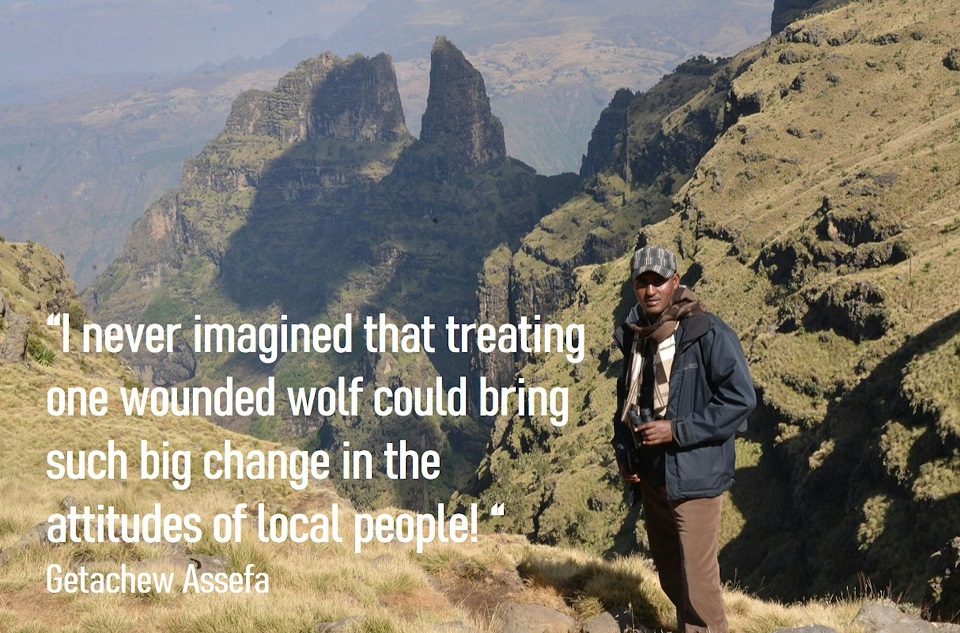
When villagers attempted to chase Terefe away, wolf monitors shared his extraordinary story. Understanding his survival shifted perceptions almost overnight. Rather than a threat, Terefe became a symbol of resilience. Local tolerance grew into protection, and remarkably, Terefe found a mate and fathered a litter of pups. Today, the “Terefe pack” still exists, extending the impact of one rescued life into future generations.
Community Transformation
Initial fear turned into protection
Education played a key role
Wolf became a local symbol of pride
Successful reproduction followed
Conclusion: What One Life Can Teach Conservation
Terefe’s story does not suggest that every injured wild animal should be rescued. Conservation decisions must remain careful, selective, and science-based. However, his survival proves that under the right conditions, intervention can save not just an individual, but also reshape scientific understanding and human attitudes. While Ethiopian wolves continue to face deadly threats such as rabies and canine distemper transmitted by domestic dogs, Terefe’s journey shows the power of collaboration between researchers, authorities, and local communities. One wolf, saved from a human-caused injury, became a living argument for coexistence and a beacon of hope for Africa’s rarest carnivore.
The Bigger Legacy
Conservation impact beyond one animal
Improved community–wildlife relationships
Scientific precedent established
Hope for future conservation strategies
Key Points
The Ethiopian wolf is Africa’s most endangered carnivore, with fewer than 500 adults remaining.
Terefe was the first Ethiopian wolf ever rescued, treated in captivity, and returned to the wild.
His survival changed scientific assumptions and strengthened local support for conservation.
advertisement
Frequently Asked Questions (FAQ)
Why are Ethiopian wolves so rare?
They have a very limited range, specialized diet, and face threats from disease, habitat loss, and human activity.
Was Terefe kept in captivity permanently?
No. He was rehabilitated for 51 days and then successfully released back into the wild.
Is rescuing wild predators common in conservation?
No. It is rare and usually avoided unless circumstances strongly justify intervention.
Did Terefe survive after release?
Yes. He reintegrated into the wild, found a mate, and fathered pups.
What threatens Ethiopian wolves the most today?
Infectious diseases from domestic dogs, especially rabies and canine distemper.
Sources
- The Conversation – First documented rescue and rehabilitation of an Ethiopian wolf
https://theconversation.com/africas-rarest-carnivore-the-story-of-the-first-ethiopian-wolf-ever-captured-nursed-and-returned-to-the-wild-269927
Thank you !