
How Federal Reserve Rate Cuts Affect the Stock Market, Oil, and Gold Prices
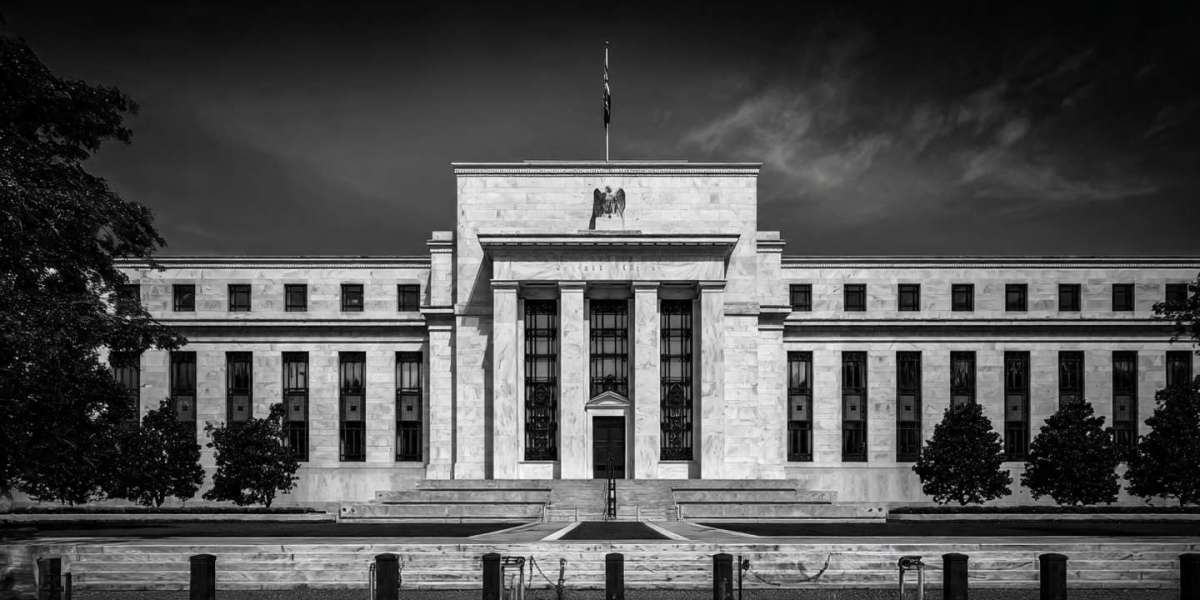
The Federal Reserve's monetary policy plays a crucial role in shaping global financial markets, influencing everything from stock prices to oil and gold. As we move into 2026, growing expectations of interest rate cuts by the Fed have created a complex environment for investors. The impact of these rate cuts can be seen across various sectors, with significant effects on stock markets, oil prices, and precious metals like gold and silver. But what exactly does this mean for the economy and investors?
advertisement
The Federal Reserve’s Dilemma: Rate Cuts Amid Economic Challenges
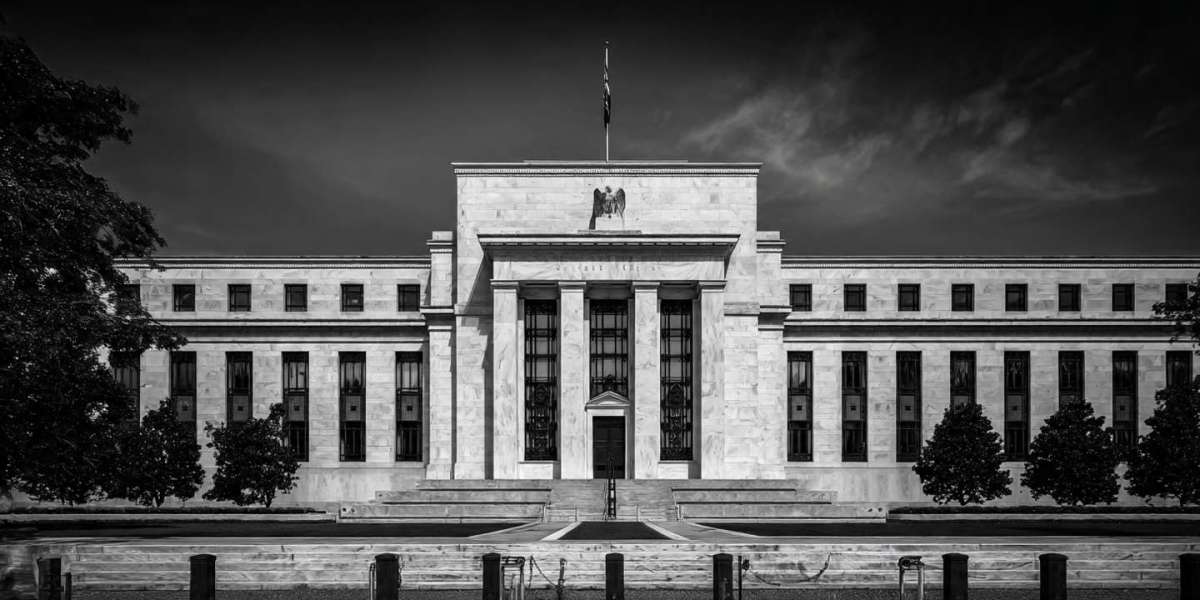
The Federal Reserve is caught in a challenging position. On one hand, inflation remains above its 2% target, and on the other, the job market shows signs of slowing down. The Fed's dual mandate requires it to manage both inflation and employment, and the current situation is a delicate balancing act.
As of late December 2025, the Fed has already cut interest rates three times, reducing the federal funds rate to a range of 3.5% to 3.75%. However, a significant meeting is scheduled for January 27-28, 2026, when the Federal Open Market Committee (FOMC) will meet again to discuss further actions.
Expectations are that the Fed may hold rates steady during this meeting, after having made several cuts in recent months to help boost a faltering job market. However, Fed officials remain divided on the issue. Some members, like Beth Hammack, advocate for holding rates steady to combat persistent inflation, while others, particularly from the “dovish” camp, push for deeper cuts to avoid recession. The January meeting will be pivotal in setting the tone for how the Fed balances these competing pressures.
Impact on Stock Markets: A Mixed Bag of Optimism and Caution
Expectations of Fed rate cuts have led to a positive sentiment in the stock markets. Gulf markets, in particular, have seen gains, with Saudi Arabia’s benchmark index climbing 0.7% and markets in Dubai and Abu Dhabi also posting positive returns. Analysts attribute these gains to rising oil prices, which have been buoyed by geopolitical tensions, particularly the ongoing disputes over oil tanker movements between the US and Venezuela.
However, the overall outlook remains cautious. In the US, stock markets are influenced by the Fed's policies, and the ongoing uncertainty surrounding interest rates makes it difficult for investors to predict the future trajectory of key sectors. While rate cuts could stimulate economic growth by making borrowing cheaper, they also come with the risk of stoking inflation. This delicate balancing act is at the forefront of market participants' minds as they weigh potential risks and rewards.
advertisement
Oil Prices: Geopolitical Risks and Fed Expectations Driving Price Movements
Oil prices have shown some resilience in the face of weak demand and concerns over excess supply. Prices have been supported by growing expectations that the Federal Reserve may have room to cut interest rates further, which could lead to a weaker US dollar and greater risk appetite. Additionally, geopolitical tensions, particularly in Venezuela and Ukraine, have added a premium to oil prices as traders anticipate potential supply disruptions.
As of late December 2025, Brent crude traded at $61.49 per barrel, while US West Texas Intermediate (WTI) was at $57.85. These prices are reflective of a broader trend where oil prices are supported by market expectations of a weaker dollar due to Fed rate cuts and the possibility of further tensions in oil-producing regions. However, concerns over demand remain, limiting any significant upside.
Gold and Silver: Safe-Haven Assets Shine Amid Uncertainty
The precious metals market has seen impressive growth in 2025, with gold and silver reaching record highs. Gold prices, for example, surged by nearly 70% in 2025, driven by factors such as political instability, economic uncertainty, and expectations of further Fed rate cuts. Historically, gold has benefited from rate cuts, as lower interest rates make it more attractive compared to other investments like bonds.
As of December 2025, gold prices were up over 1.9%, reaching $4,472.20 per ounce, while silver rose by about 3.4%, heading toward $70 per ounce. This surge has led some analysts to speculate that gold could even reach $5,000 an ounce by 2026, with Goldman Sachs predicting a target of $4,900 by December of that year.
The rise in gold prices is partly due to its status as a safe-haven asset. In times of uncertainty, investors flock to gold as a way to preserve wealth. This is especially true as global debt levels rise and inflation remains a concern. Similarly, silver has benefited from industrial demand, especially from sectors like data centers, solar panels, and electric vehicles.
advertisement
The Broader Economic Outlook: Risks and Opportunities
The combination of Fed rate cuts, geopolitical tensions, and weak demand creates an environment filled with both risks and opportunities. While some market segments, like precious metals and oil, are showing strong performance, others are more cautious about the potential for economic stagnation, or "stagflation," as inflation remains high and unemployment creeps upward.
The key question for investors and policymakers is whether the Fed will continue with its rate cuts or pause to assess the effects of previous actions. If rate cuts continue, there is a possibility of economic stimulation, but if inflation persists, the Fed may need to rethink its strategy. The January 2026 meeting will provide crucial insight into how the Fed plans to address these concerns.
Conclusion: Navigating a Complex Financial Landscape
As we look ahead to 2026, navigating the complex landscape of Federal Reserve rate cuts and their impact on the economy will require careful attention to both global and domestic factors. Investors will need to stay informed about geopolitical events, market sentiment, and the Fed’s policy decisions, especially in light of the January meeting. While the current environment presents challenges, it also offers opportunities for those who can anticipate how these variables will play out.
In conclusion, the future of the economy and financial markets will depend on how well the Fed balances the need to stimulate the economy with the imperative to keep inflation in check. For those looking to invest, diversifying across different sectors—stocks, oil, and precious metals—could provide a hedge against potential risks, allowing for more secure positioning as we enter a new year.
Sources:
- Hyatt, D. (2025, December 22). Next Fed Meeting: When It Is In January And What To Expect on Interest Rates. Investopedia.
- Alhan, D. (2025, December 22). Oil holds steady on Fed cut bets as demand weakness caps gains. Anadolu Agency.
- Shariff, A. (2025, December 22). Most Gulf markets rise on oil, Fed rate cut hopes. Reuters.
- Mattson, J. (2025, December 22). Gold and silver prices reached record highs today. Here’s what’s next for 2026. Fast Company.
- (2025, December 23). USD/CAD dips below 1.3750 on Fed easing bets, rising Oil prices. FXStreet.
Thank you !