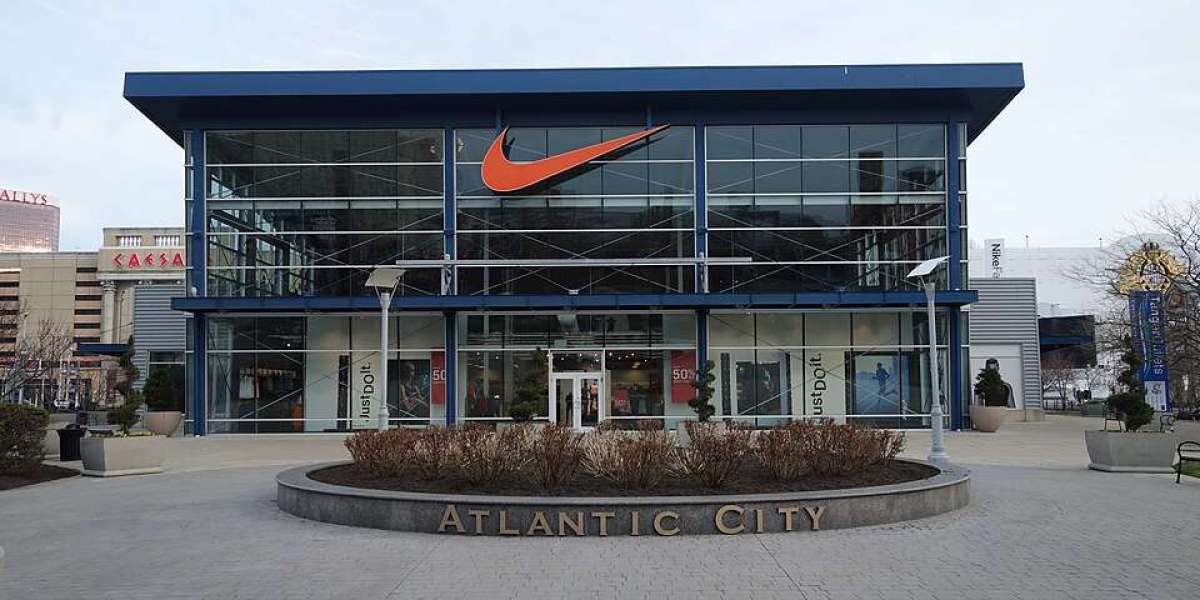

article image source: commons.wikimedia.org (Link)
Nike Stock: Navigating Challenges and Seeking Recovery Amidst Global Headwinds
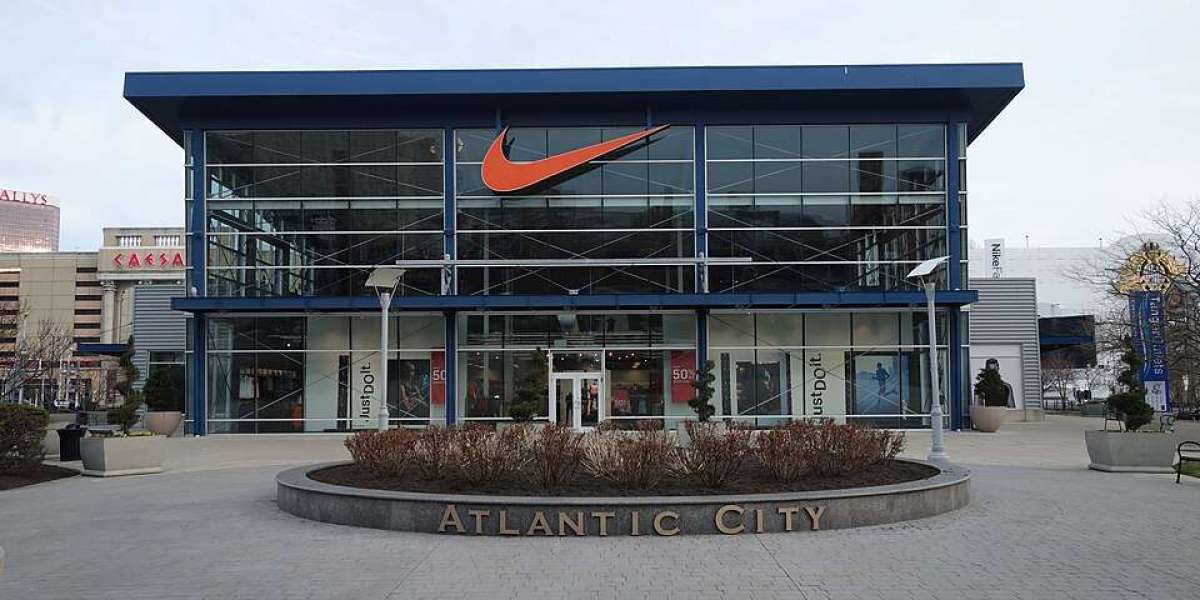
image source: commons.wikimedia.org
Nike, the world’s leading sportswear company, has long been a symbol of innovation and market dominance. However, in recent months, the brand has faced significant hurdles, particularly in its critical Chinese market. Despite strong performances in North America and some product categories, Nike’s struggles in China and ongoing margin pressures have caused the company’s stock to take a substantial hit. As Nike continues its turnaround efforts, the future of the brand remains uncertain, leaving investors and analysts divided on its prospects.
advertisement
Challenges in the Chinese Market
One of the most pressing concerns for Nike has been its performance in China. Sales in the region have declined for six consecutive quarters, with the latest reports indicating a 17% drop in revenue. China, once seen as a key growth driver, now represents a major pressure point for Nike. The company has struggled to adapt to local consumer preferences, facing fierce competition from domestic brands like Anta and Li-Ning, which have made significant strides in the Chinese market.
Nike’s attempts to refresh its product offerings and cut legacy lifestyle lines have not yielded the expected results. Footwear sales in China dropped by 21% in the second quarter, and online sales have plunged by 36%. The company’s CEO, Elliott Hill, admitted that a reset in the China strategy is necessary, acknowledging that their efforts to revive sales have not been as fast or effective as hoped.
The challenge is compounded by broader economic factors in China, including an economic slowdown, job market uncertainty, and a shift in consumer behavior, with Chinese shoppers increasingly favoring local brands that cater to their specific tastes and needs. Nike’s inability to maintain its position in China’s e-commerce space, once a key strength, has further added to the pressure.
Tariffs and Margin Pressures
Nike has also been grappling with external factors like rising tariffs, which have significantly impacted its margins. The company reported a 3% decline in inventory and a dip in gross margin, with tariff-related costs contributing to the pressure. While the company has seen some positive results in North America, where revenues from running footwear and wholesale operations have increased, these gains have not been enough to offset the struggles in other regions.
Analysts are cautious about the company’s future, with several lowering their price targets on Nike’s stock. Investment firms such as Piper Sandler, Truist Securities, and Stifel have all adjusted their expectations, citing concerns about the slower-than-expected recovery in China and the broader challenges Nike faces in its turnaround efforts. Despite these challenges, Nike’s strong brand equity and leadership in key product categories like running shoes offer some hope for recovery.
advertisement
Positive Developments in North America and Product Categories
While Nike has faced headwinds in China and other international markets, its North American performance has been relatively strong. The company reported a 9% increase in North American revenues, driven by increased sales in running footwear and wholesale channels. This has been a bright spot in an otherwise difficult year, showcasing Nike's ability to perform in key markets despite setbacks abroad.
Nike's running category has shown impressive growth, exceeding 20% for the second consecutive quarter. This growth has been reflected across all regions, further bolstering the company’s outlook. The company’s efforts to focus on sport-specific gear, rather than solely lifestyle apparel, have helped it maintain some market share in these crucial areas.
However, other areas such as Converse and Nike’s Greater China business continue to lag, highlighting the uneven recovery the company is experiencing globally.
Mixed Analyst Sentiment
The outlook for Nike remains uncertain, with analysts offering mixed perspectives on the brand’s future. On one hand, analysts such as BTIG and Raymond James remain optimistic, maintaining "Buy" ratings and focusing on Nike’s long-term recovery potential, particularly in North America and key product categories. On the other hand, firms like Piper Sandler, Truist, and Stifel have lowered their price targets, citing concerns about China and ongoing margin pressures.
Piper Sandler, for example, has reduced its price target on Nike’s stock from $84 to $75, while Stifel lowered its target to $65, emphasizing the uneven recovery across markets. Analysts are cautious about Nike’s ability to regain momentum in China, especially given the challenges it faces from domestic competitors and shifting consumer behavior.
Despite these mixed opinions, Nike’s commitment to innovation and product development remains a strong point. The company’s push into sport-specific categories, particularly running, has been a key focus, and analysts are hopeful that these efforts will eventually translate into a broader recovery.
Looking Ahead: A Path to Recovery?
Nike’s path forward remains filled with challenges. The company has admitted that its recovery will not be a straight line, particularly in China. CEO Elliott Hill emphasized the importance of "acting decisively" to address the lagging areas of the business, with China at the top of the list. While Nike has made some progress, the journey ahead may take longer than expected.
In the coming months, Nike will need to demonstrate that its strategic adjustments can overcome the significant hurdles it faces in key markets. The company’s ability to adapt to shifting consumer trends, revitalize its presence in China, and manage margin pressures will be crucial to its recovery.
Conclusion:
Despite the challenges, Nike’s story is far from over. The brand’s resilience, innovation, and leadership in sportswear give it the potential to recover and thrive once again. However, it is clear that Nike’s turnaround will require time, careful strategy, and the ability to adapt to a rapidly changing global market. The next few quarters will be crucial in determining whether Nike can reclaim its position as the undisputed leader in the sportswear industry.
Sources:
Thank you !