
article image source: commons.wikimedia.org (Link)
Fuel Standards Rolled Back: What Trump’s New Plan Means for Cars, Costs, and Climate
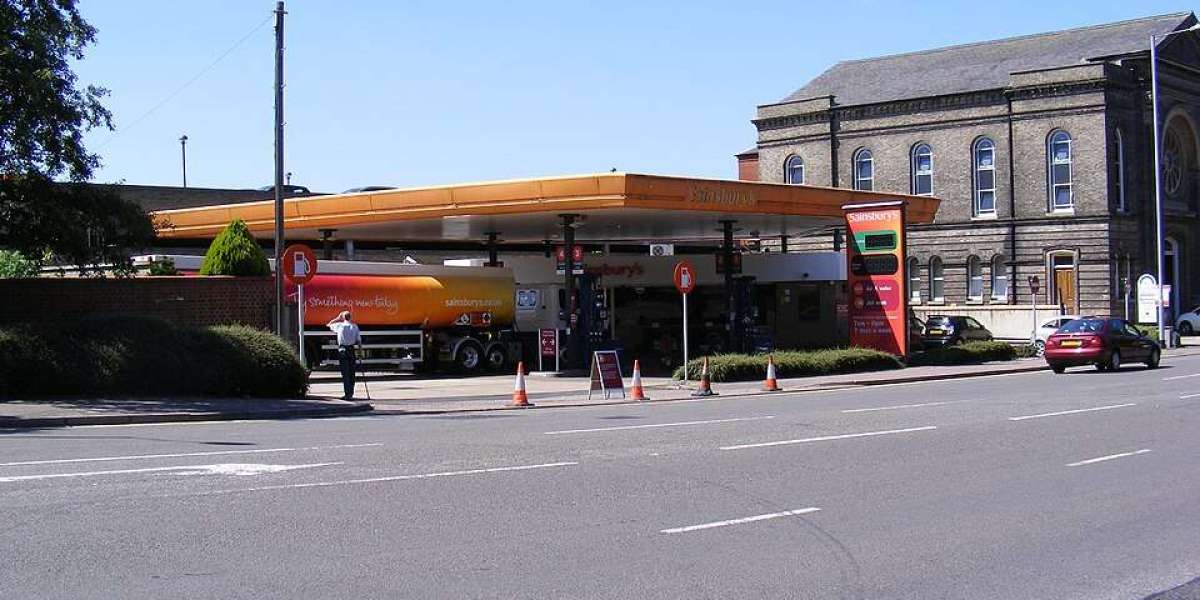
image source: commons.wikimedia.org
Introduction
The Trump administration has unveiled a proposal to roll back vehicle fuel economy standards, marking a major shift away from the Biden-era push for cleaner transportation. The move has drawn praise from automakers but sharp criticism from environmental groups, setting the stage for a new debate over affordability, pollution, and the future of American mobility.
advertisement
A Major Change for 2031 and Beyond
The proposal would lower the required fuel efficiency of new vehicles through the 2031 model year, setting the fleetwide light-duty average near 34.5 miles per gallon. Officials argue that the change will make cars more affordable and expand consumer choice.
Automakers, long frustrated by the difficulty of meeting prior standards, welcomed the shift.
Why Automakers Support the Rollback
Industry leaders from Ford and Stellantis praised the move as a “win for customers,” saying the Biden-era rules forced costly technologies into vehicles. These standards, they argue, inflated prices and outpaced consumer demand — particularly for electric vehicles, which still account for only 8% of U.S. sales.
Environmental Groups Warn of Higher Emissions
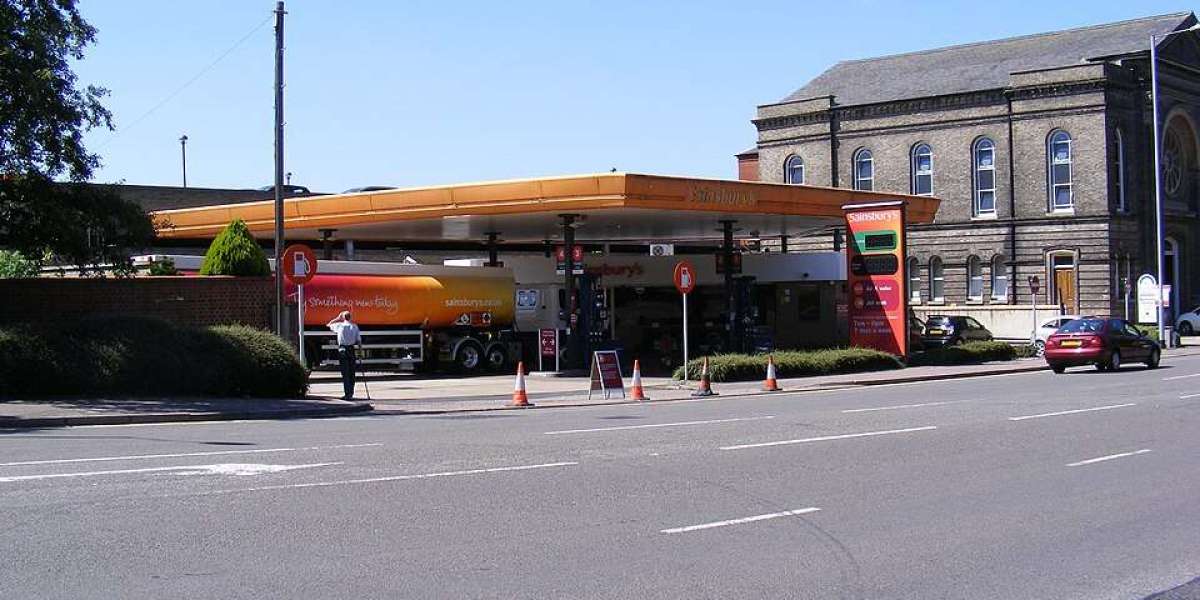
Climate advocates sharply disagree. According to the Sierra Club and the Center for Biological Diversity, the rollback will increase gasoline use, raise household fuel expenses, and worsen pollution — particularly for vulnerable populations.
Under earlier standards, the U.S. was projected to save 14 billion gallons of gasoline by 2050. Abandoning them is forecast to add:
22,111 more tons of CO₂ annually
90 more tons of soot
Over 4,800 tons of smog-forming pollutants
These changes could keep high-emitting vehicles on the road far longer.
A Reversal of EV Momentum
Since taking office, the administration has:
Relaxed tailpipe emissions rules
Repealed penalties for failing to meet mileage targets
Eliminated $7,500 EV purchase credits
Although no federal EV mandate exists, California and other states have stricter rules — ones that have already been challenged and blocked at the federal level this year.
Conclusion: A Turning Point for America’s Automotive Future
The rollback of fuel standards represents more than a regulatory change — it’s a statement about the direction of U.S. transportation. Supporters say it restores affordability and freedom of choice. Critics warn it deepens dependence on fossil fuels and slows progress toward cleaner air.
As automakers, policymakers, and consumers navigate these conflicting priorities, the decisions made today will shape the nation’s environmental footprint, public health, and automotive innovation for decades to come.
Source
PBS — Fuel Economy Rollback Announcement
https://www.pbs.org/newshour/politics/watch-live-trump-expected-to-roll-back-fuel-economy-standards
Thank you !