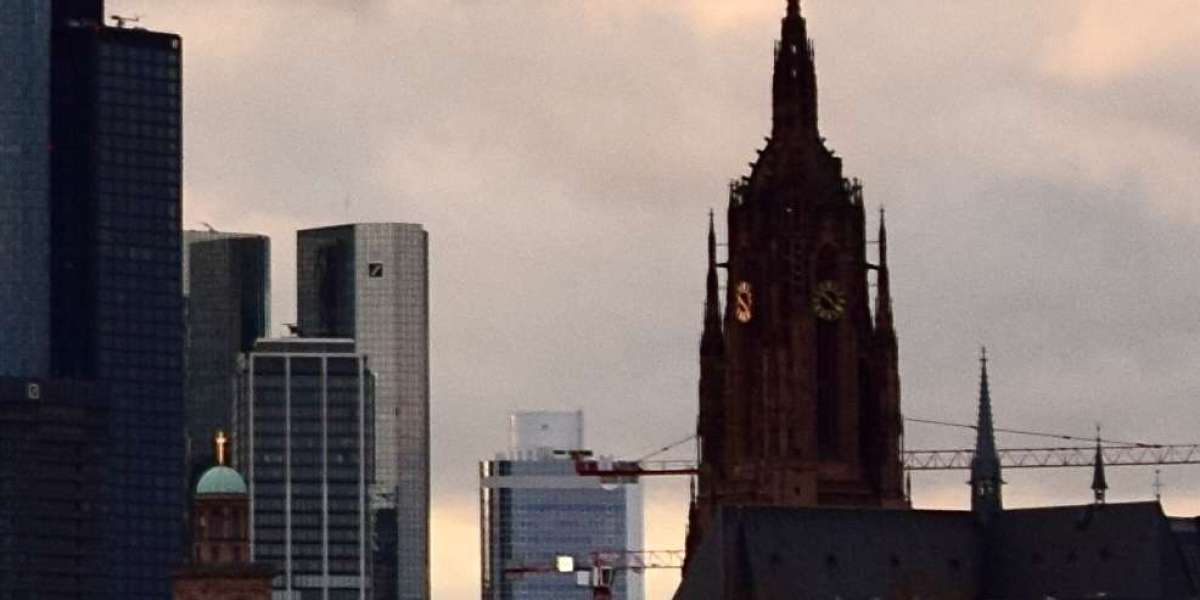

article image source: commons.wikimedia.org (Link)
German Industry President Warns of “Free Fall” as Structural Challenges Deepen
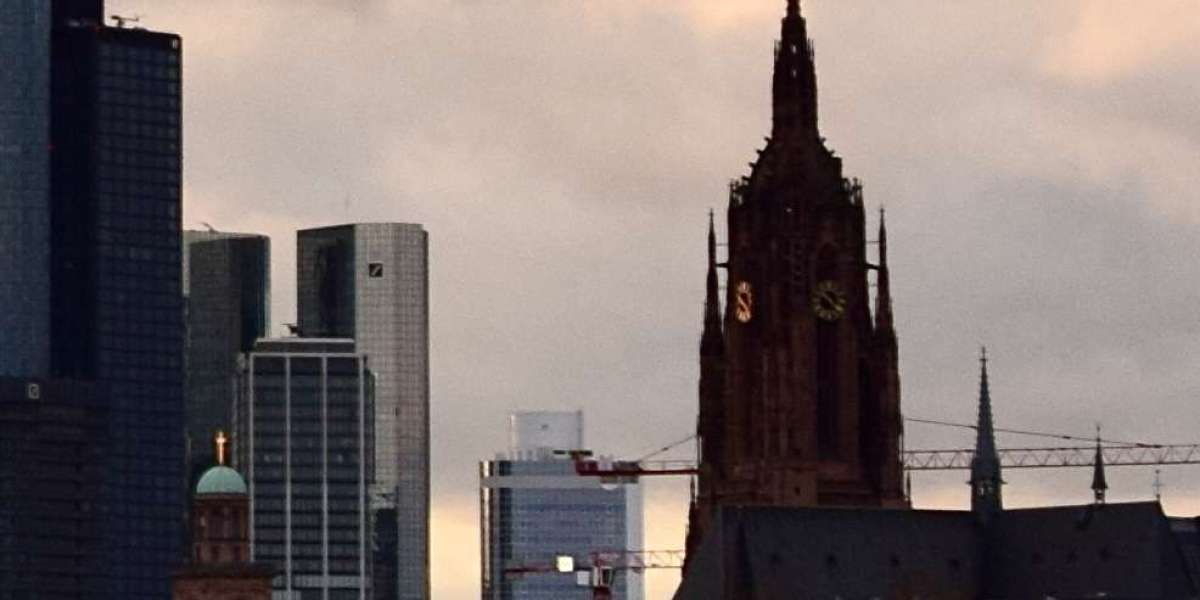
image source: commons.wikimedia.org
A clear, engaging overview of the concerns raised by the President of the Federation of German Industries about Germany’s economic trajectory, the structural pressures facing key sectors, and the urgent political reforms business leaders say are needed to restore competitiveness.
advertisement
Germany’s Industrial Landscape at a Crossroads
Germany, long recognized as one of Europe’s industrial powerhouses, is facing what the Federation of German Industries (BDI) describes as one of the gravest economic moments in its post-war history. BDI President Peter Leibinger has warned that the country’s status as a business location is in “free fall”, emphasizing that multiple sectors are now experiencing structural—not merely cyclical—declines.
According to a newly released industry report, industrial production is expected to fall by about two percent by the end of 2025. If this prediction holds, it will mark the fourth consecutive year of contraction, underscoring the depth and persistence of the current downturn. Leibinger stresses that this situation is far more severe than a temporary slowdown, describing it as a structural erosion of Germany’s industrial foundation.
Sector Pressures: Chemicals Down, Automotive Stabilizing
The challenges are not evenly distributed across all branches of industry. The chemical sector is among the hardest hit, with capacity utilization in chemical plants recently dropping to around 70 percent. Mechanical engineering and steel manufacturers are also facing sustained pressure, reflecting broader weakening in global demand and rising costs.
However, not all sectors are contracting simultaneously. The construction industry, for instance, appears to be stabilizing after a turbulent period. Meanwhile, the automotive sector—one of Germany’s most iconic and economically significant industries—is showing mixed signals: production and capacity utilization are rising, yet employment is coming under increasing strain. This suggests that technological shifts and efficiency measures are reshaping the workforce even amid improved output.
Calls for Decisive Economic Policy Reform
Leibinger argues that despite the severity of the situation, the German government’s response has been insufficient. He urges policymakers to pursue what he calls a turnaround in economic policy, grounded in competitiveness, growth, and long-term stability. For him, each month without meaningful reform means additional job losses, lower prosperity, and diminished future flexibility for the state.
A core point of his criticism involves public spending priorities. Leibinger advocates for investment to take precedence over consumption, emphasizing that the government’s special fund should be used transparently and strictly for new investments rather than to offset budgetary maneuvers.
His concerns reflect broader criticism that projects are sometimes shifted from the core budget into the special infrastructure and climate fund, thereby freeing money for unrelated expenditures—including, controversially, an expansion of the maternity pension. This practice, he argues, undermines the original purpose of the fund and reduces clarity around investment planning.
Bureaucracy: The Ongoing Burden on Businesses
Another recurring theme in Leibinger’s remarks is the burden of bureaucracy. While he acknowledges that the government has taken initial steps to simplify regulations, he insists that businesses need substantial, tangible relief in their daily operations. Without a significant reduction in administrative hurdles, he warns, German companies will continue to lose competitiveness on the global stage.
Conclusion
Germany stands at a pivotal moment. While its industries have long represented resilience, innovation, and global excellence, the latest warnings from the BDI reflect a deeper challenge—one that calls for decisive, forward-looking action. The country is navigating not only temporary economic headwinds but profound structural shifts across global markets, energy systems, and technological landscapes.
Yet within these challenges lies an opportunity. If policymakers and industry leaders can align around bold reforms—investing in competitiveness, reducing burdensome bureaucracy, and strengthening key industrial sectors—Germany can reassert its position as a leading, innovative, and future-ready industrial nation. The path forward requires clarity, courage, and collaboration, but the potential rewards extend far beyond recovery: they offer the chance to redefine Germany’s economic identity for the decades ahead.
Sources
German industry president sees location “in free fall” — Bluewin
https://www.bluewin.ch/en/news/international/german-industry-president-sees-location-in-free-fall-2991163.html
Thank you !