
(What will be mentioned in this article is for advice and is not a substitute for consulting a doctor)
Pancreatic Cancer Research in 2026: Major Advances Offer Hope, But No Definitive Cure Yet
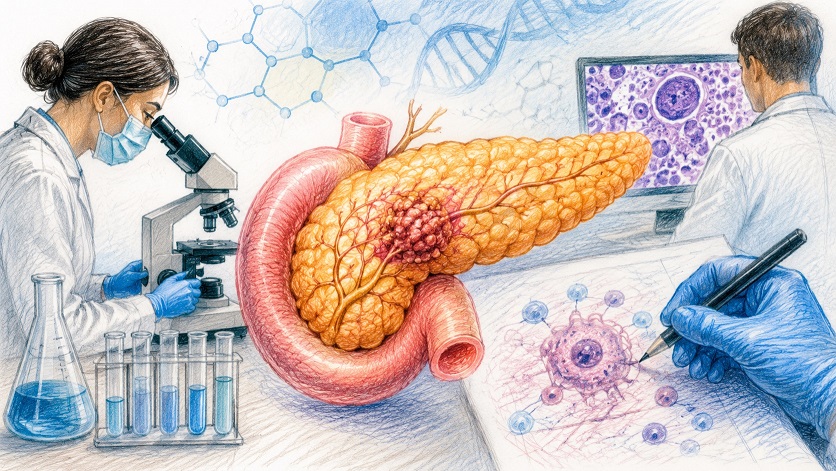
Key Points
Researchers reported one of the most significant pancreatic cancer treatment advances in years during 2026.
The experimental drug daraxonrasib significantly improved survival in patients with previously treated metastatic pancreatic cancer.
Pancreatic cancer remains one of the deadliest forms of cancer and currently has no universally accepted cure.
Scientists are also investigating combination therapies, cancer vaccines, immunotherapy approaches, and earlier detection methods.
Experts believe recent findings could change the standard of care for some patients, but additional research and long-term follow-up are still needed.
advertisement
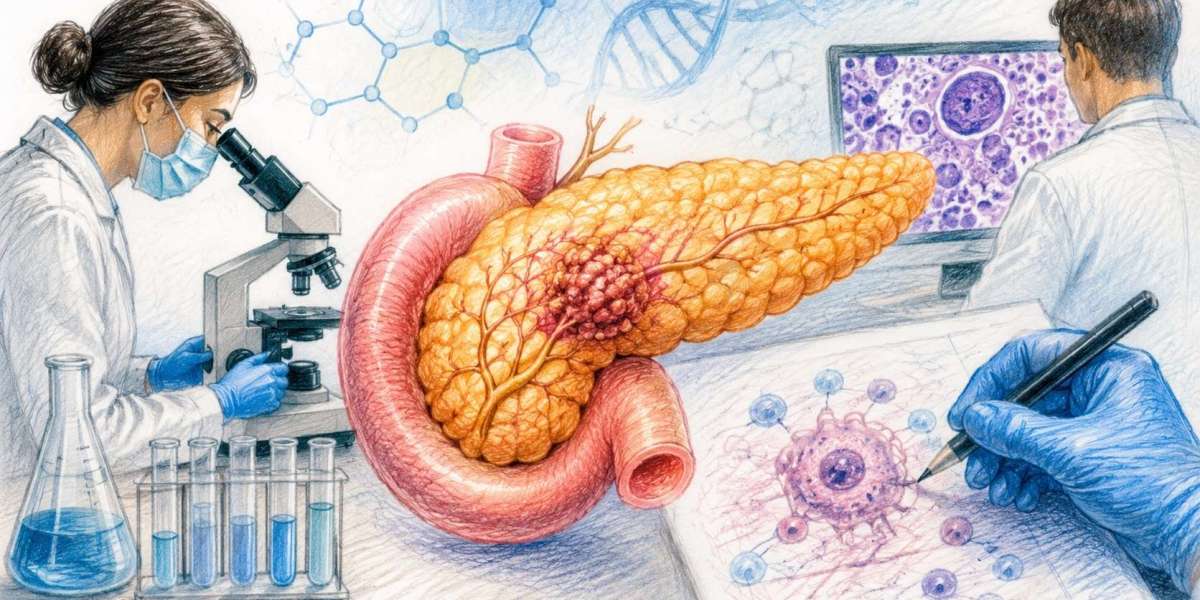
Pancreatic cancer has long been considered one of the most difficult cancers to treat. Because symptoms often appear only after the disease has advanced, many patients are diagnosed at later stages when treatment options are limited. The cancer is also biologically aggressive and has historically responded poorly to many therapies that have transformed outcomes in other cancers. As a result, pancreatic cancer continues to have one of the lowest survival rates among major cancers. Despite this challenge, 2026 has brought some of the most encouraging research developments the field has seen in years—although researchers emphasize that these advances do not yet represent a definitive cure.
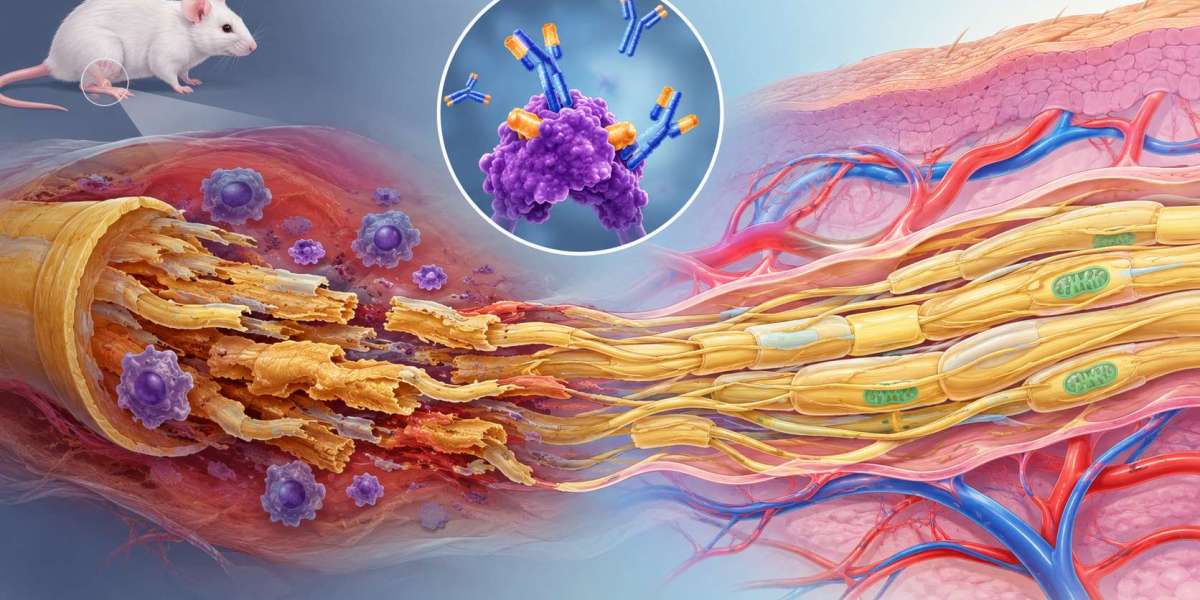
The biggest headline in pancreatic cancer research this year involves daraxonrasib, an experimental oral therapy designed to target the RAS signaling pathway, which drives more than 90% of pancreatic ductal adenocarcinoma cases. For decades, scientists viewed this pathway as extremely difficult to target with drugs, leading many researchers to describe it as effectively “undruggable.” Recent advances in molecular medicine have changed that outlook and opened new opportunities for targeted treatment.
In the Phase III RASolute 302 clinical trial, researchers compared daraxonrasib with standard chemotherapy in patients whose metastatic pancreatic cancer had already been treated previously. The study involved approximately 500 participants from multiple regions around the world. According to the findings, patients receiving daraxonrasib experienced significantly longer overall survival and progression-free survival than those receiving chemotherapy. The reported median overall survival was approximately 13.2 months compared with 6.7 months for patients receiving standard chemotherapy, representing one of the strongest survival improvements ever reported in a late-stage pancreatic cancer trial.
Researchers also reported a substantial reduction in the risk of death among patients treated with daraxonrasib. Equally important, the treatment demonstrated a generally manageable safety profile, with side effects that researchers considered acceptable given the severity of the disease. These results generated considerable excitement at major oncology meetings and prompted many experts to describe the findings as potentially practice-changing for the treatment of metastatic pancreatic cancer.
However, it is important to understand what these results do—and do not—mean. Daraxonrasib is not considered a cure for pancreatic cancer. While patients lived significantly longer on average and many experienced meaningful clinical benefits, the disease still progressed in most cases. Researchers view the drug as a major therapeutic advance rather than a final solution. The goal is to continue building on these gains through additional studies and combination approaches.
Scientists are already exploring ways to improve outcomes further. One of the most closely watched areas involves combining daraxonrasib with other experimental medicines. Early results involving a combination of daraxonrasib and vopimetostat have attracted attention after researchers reported high response rates in small groups of patients with advanced pancreatic cancer. While these findings remain preliminary and require confirmation in larger trials, they suggest that combination strategies may further improve outcomes in the future.
Beyond drug development, researchers are investigating several other promising directions. These include personalized cancer vaccines designed to train the immune system to recognize tumor cells, new immunotherapy combinations aimed at overcoming the unique defenses of pancreatic tumors, and advanced artificial intelligence systems that may help identify pancreatic cancer earlier. Earlier detection is particularly important because treatment is generally more effective before the disease spreads. Some researchers believe improvements in diagnosis and screening could ultimately have an impact as significant as new therapies themselves.
Another notable development in 2026 has been growing regulatory recognition of daraxonrasib's potential. U.S. regulators have allowed expanded access to the drug for eligible patients with previously treated metastatic pancreatic cancer while formal review continues. This step reflects both the seriousness of the disease and the urgent need for better treatment options. Nevertheless, broader availability and long-term adoption will depend on continued evaluation of safety, effectiveness, and real-world outcomes.
Looking ahead, researchers hope to determine whether daraxonrasib can be used earlier in treatment, whether it can be combined successfully with other therapies, and whether future generations of RAS-targeted medicines can improve outcomes even further. Scientists are also working to identify which patients are most likely to benefit from specific treatment strategies, moving closer to a more personalized approach to pancreatic cancer care.
The bottom line is that pancreatic cancer still has no universally accepted cure in 2026. Yet the latest clinical trial results represent meaningful progress against one of medicine’s most challenging diseases. While more research is needed, recent advances are giving patients, families, and physicians new reasons for optimism and may mark the beginning of a new era in pancreatic cancer treatment.
Key Points Summary
Daraxonrasib produced one of the strongest survival improvements ever reported in metastatic pancreatic cancer.
Median survival in a major Phase III trial increased to approximately 13.2 months compared with 6.7 months for chemotherapy.
The drug targets the RAS pathway, a key driver in more than 90% of pancreatic cancers.
Researchers are exploring combination treatments, vaccines, immunotherapy, and earlier detection technologies.
Despite encouraging progress, pancreatic cancer still has no definitive cure.
Experts view the latest findings as a major step forward rather than the final answer.
advertisement
Frequently Asked Questions [FAQ]
Is there a cure for pancreatic cancer in 2026?
No. While significant advances have been reported, there is currently no universally accepted cure for advanced pancreatic cancer.
What is daraxonrasib?
Daraxonrasib is an experimental oral therapy that targets the RAS signaling pathway, which is involved in most pancreatic cancers.
Why are researchers excited about daraxonrasib?
Clinical trial results showed significantly improved survival compared with standard chemotherapy in previously treated metastatic pancreatic cancer patients.
Does daraxonrasib work for all patients?
No treatment works for every patient. Researchers are still studying which individuals benefit most and how the drug can be used most effectively.
What other pancreatic cancer research is underway?
Scientists are studying cancer vaccines, immunotherapy combinations, AI-assisted detection methods, and new targeted therapies.
Why is pancreatic cancer so difficult to treat?
The disease is often detected late, spreads quickly, and has biological features that make it resistant to many conventional treatments.
Sources
New England Journal of Medicine (May 2026)
https://www.nejm.org/doi/full/10.1056/NEJMoa2605555ScienceDaily (June 4, 2026)
https://www.sciencedaily.com/releases/2026/06/260604044247.htmAmerican Society of Clinical Oncology (ASCO)
https://www.asco.orgPanCAN (Pancreatic Cancer Action Network)
https://pancan.org
Disclaimer:
What is mentioned in this article is for advice and is not a substitute for consulting a doctor
Thank you !