
Artemis III Crew Revealed: NASA Names Four Astronauts for Historic Moon Program Mission
Introducing Artemis III - NASA
Key Points
NASA officially announced the Artemis III crew on June 9, 2026.
The mission is scheduled for launch in 2027.
The four astronauts selected are Randy Bresnik, Frank Rubio, Andre Douglas, and Luca Parmitano.
Artemis III will test critical spacecraft and lunar lander operations in Earth orbit.
The mission is a major step toward Artemis IV, which is currently planned to land astronauts near the Moon's South Pole in 2028.
The crew includes three NASA astronauts and one astronaut from the European Space Agency (ESA).
The announcement sparked discussion because the crew is composed entirely of men.
NASA says crew selections were based on experience, training, mission requirements, and availability.
advertisement
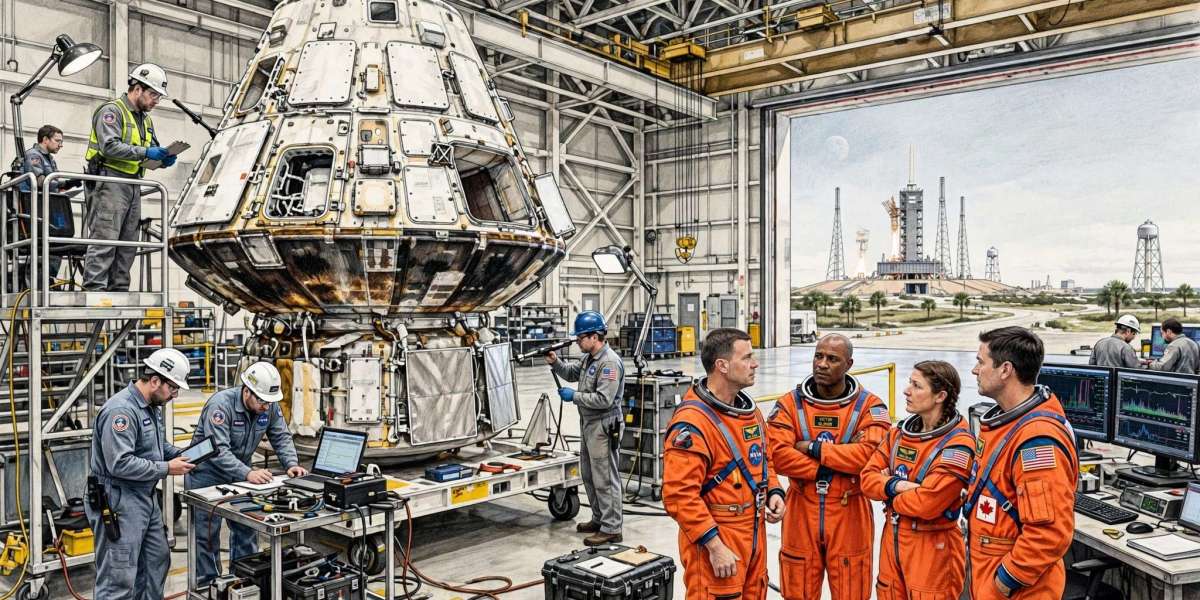
NASA has officially unveiled the crew for Artemis III, one of the most important missions in the agency's modern lunar exploration program. During a major announcement on June 9, 2026, NASA revealed the four astronauts who will fly aboard the mission scheduled for launch in 2027. The selected crew members are Randy Bresnik, who will serve as mission commander, Luca Parmitano of the European Space Agency as pilot, and NASA astronauts Frank Rubio and Andre Douglas as mission specialists. The announcement marks another significant milestone in NASA's ambitious Artemis program, which aims to establish a long-term human presence around and eventually on the Moon.
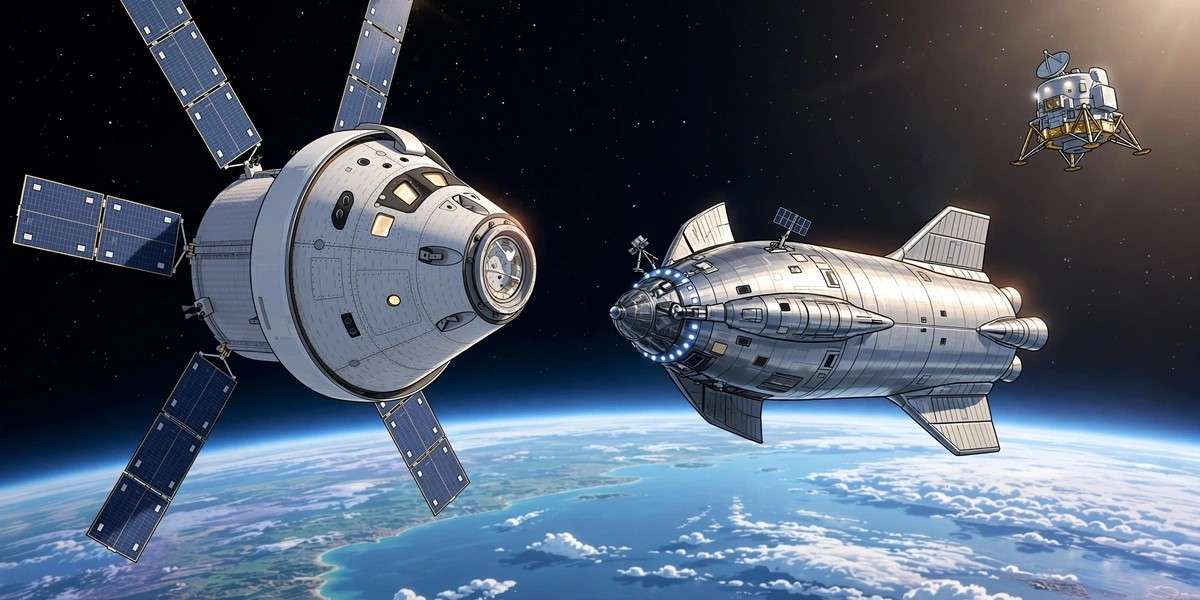
Artemis III has undergone major changes since its original conception. Earlier versions of the mission were expected to carry astronauts to the lunar surface for the first crewed Moon landing since Apollo 17 in 1972. However, NASA revised its plans in early 2026 due to technical challenges, including spacecraft development schedules and readiness of commercial lunar landing systems. Instead of a lunar landing, Artemis III is now designed as a highly complex Earth-orbit mission that will test integrated operations between NASA's Orion spacecraft and one or more commercial lunar landers being developed by SpaceX and Blue Origin. These demonstrations are considered essential before astronauts can safely attempt future lunar landings.
The mission will focus on testing rendezvous, docking, and operational procedures in orbit around Earth. NASA officials describe Artemis III as one of the most technically demanding human spaceflight missions ever attempted. Orion will conduct critical maneuvers with commercial Human Landing System vehicles, helping engineers validate technologies that will later be used for lunar exploration missions. The results from Artemis III are expected to directly influence the architecture and readiness of Artemis IV, currently targeted as the first crewed Artemis mission to reach the lunar South Pole.
Each crew member brings extensive experience to the mission. Commander Randy Bresnik is a veteran astronaut who has flown on the Space Shuttle and served aboard the International Space Station. Frank Rubio holds the U.S. record for the longest single spaceflight by an American astronaut, spending 371 days in space. Andre Douglas, a former U.S. Coast Guard officer and engineer, represents one of NASA's newer astronaut classes and has expertise in robotics and space systems. ESA astronaut Luca Parmitano contributes significant international experience, having completed multiple space missions and long-duration stays aboard the International Space Station. Together, NASA believes the team possesses the skills required for one of the agency's most challenging exploration missions.
The announcement also generated public discussion because no women were selected for the crew. Artemis II, which flew earlier in 2026, included Christina Koch, who became the first woman to travel around the Moon. Following the Artemis III announcement, some observers expressed disappointment over the absence of female astronauts on the crew. NASA Administrator Jared Isaacman responded by emphasizing that astronaut assignments are determined by mission requirements, expertise, development experience, training, and availability. He noted that women continue to play major leadership roles throughout NASA and are actively preparing for future Artemis missions.
The Artemis program remains NASA's long-term strategy for returning humans to deep space exploration. Following the successful Artemis II lunar flyby mission earlier this year, Artemis III is intended to validate the systems and operational techniques needed for sustained lunar exploration. NASA ultimately hopes to use the Artemis campaign as a stepping stone toward future human missions to Mars. By testing advanced spacecraft, commercial lunar landers, new spacesuits, and international partnerships, Artemis III represents a critical bridge between current exploration capabilities and humanity's next giant leap beyond Earth orbit.
Key Points Summary
NASA announced the Artemis III crew on June 9, 2026.
Randy Bresnik will command the mission.
Frank Rubio, Andre Douglas, and ESA astronaut Luca Parmitano complete the crew.
Artemis III is scheduled for launch in 2027.
The mission will test Orion spacecraft operations with commercial lunar landers.
Artemis III will no longer attempt a Moon landing.
The mission supports preparations for Artemis IV's planned lunar landing in 2028.
NASA says crew selection was based on qualifications and mission requirements.
advertisement
Frequently Asked Questions [FAQ]
What is Artemis III?
Artemis III is NASA's next major crewed Artemis mission scheduled for 2027. It will test spacecraft and lunar lander operations in Earth orbit.
Will Artemis III land on the Moon?
No. NASA revised the mission plan in 2026. Artemis III will focus on orbital testing instead of a lunar landing.
Who are the Artemis III crew members?
The crew consists of Randy Bresnik, Frank Rubio, Andre Douglas, and Luca Parmitano.
Why was the Moon landing removed from Artemis III?
NASA adjusted the mission due to technical readiness and development timelines for lunar landing systems and related technologies.
What spacecraft will Artemis III use?
The mission will use NASA's Orion spacecraft launched by the Space Launch System (SLS) rocket.
What comes after Artemis III?
Artemis IV is currently planned for 2028 and is expected to attempt a crewed landing near the Moon's South Pole.
Why is the crew all male?
NASA says crew assignments are based on expertise, training, mission needs, and astronaut availability rather than demographic considerations.
Sources
CNN – Artemis III Crew Announcement
https://edition.cnn.com/2026/06/09/science/artemis-3-crew-announcementNASA – Artemis III Crew Announced
https://www.nasa.gov/image-article/artemis-iii-crew-announced/NASA – NASA Marches Toward Artemis III Mission in 2027, Names Crew Members
https://www.nasa.gov/news-release/nasa-marches-toward-artemis-iii-mission-in-2027-names-crew-members/Spaceflight Now – NASA Chief Defends Selection of Artemis III Crew
https://spaceflightnow.com/2026/06/10/nasa-chief-defends-selection-of-all-male-artemis-iii-crew/
Thank you !