G3BP1 Protein Drives Liver Scarring By Blocking Cell Transport
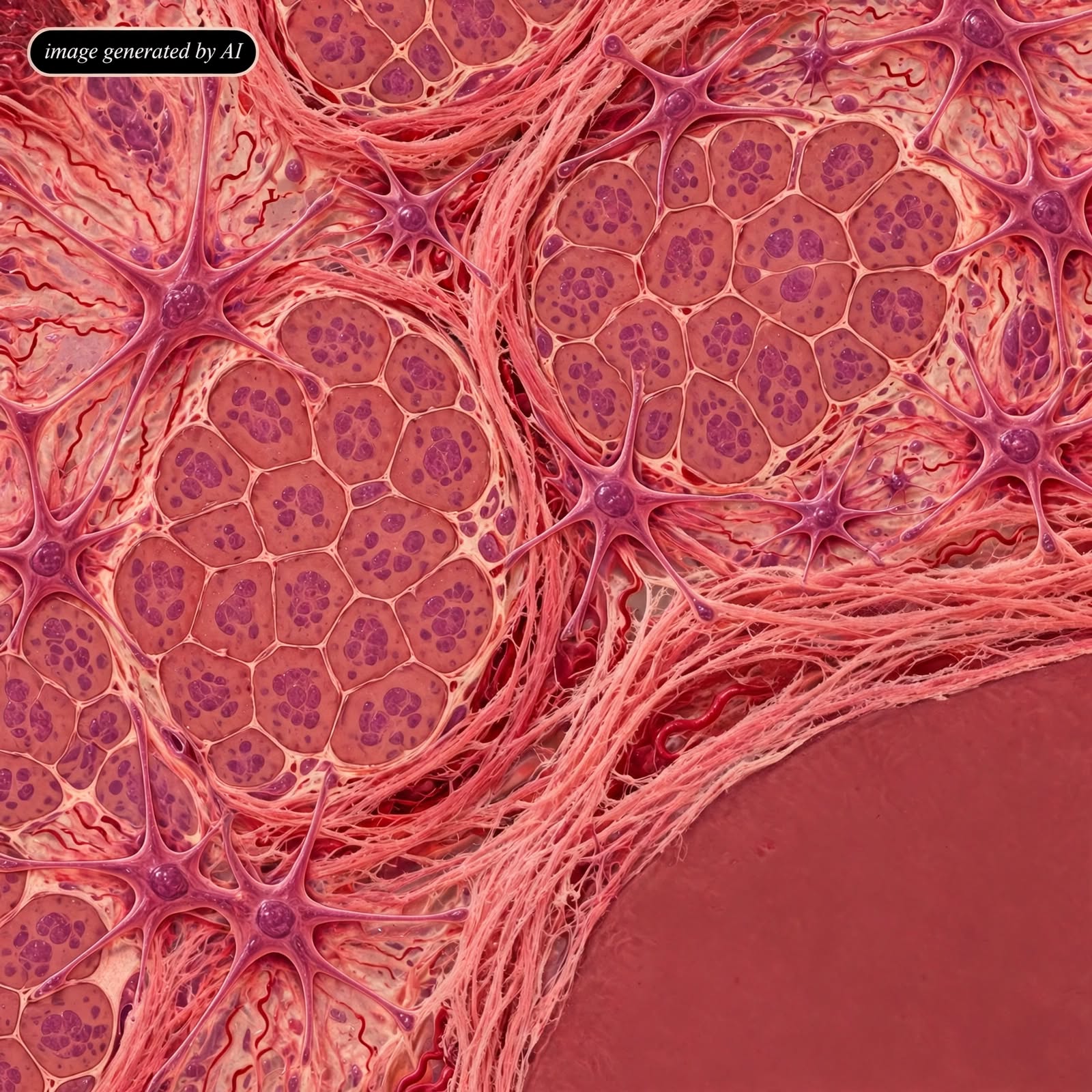
Scientists have traced a new driver of liver scarring to a protein called G3BP1. The team found much higher levels of G3BP1 in liver tissue from people with fibrosis and in mouse models of liver injury. G3BP1 helps activate hepatic stellate cells which are the main cells that lay down scar tissue in the liver. It works by changing how parts of the COPI transport machinery are spliced through a partner called hnRNPM. The faulty splicing blocks transport from the Golgi back to the endoplasmic reticulum and creates stress inside the cell. That stress pushes stellate cells into an active scar-making state. When researchers blocked the G3BP1 pathway in mice the fibrosis improved. The findings point to a possible new target for slowing or treating liver fibrosis.