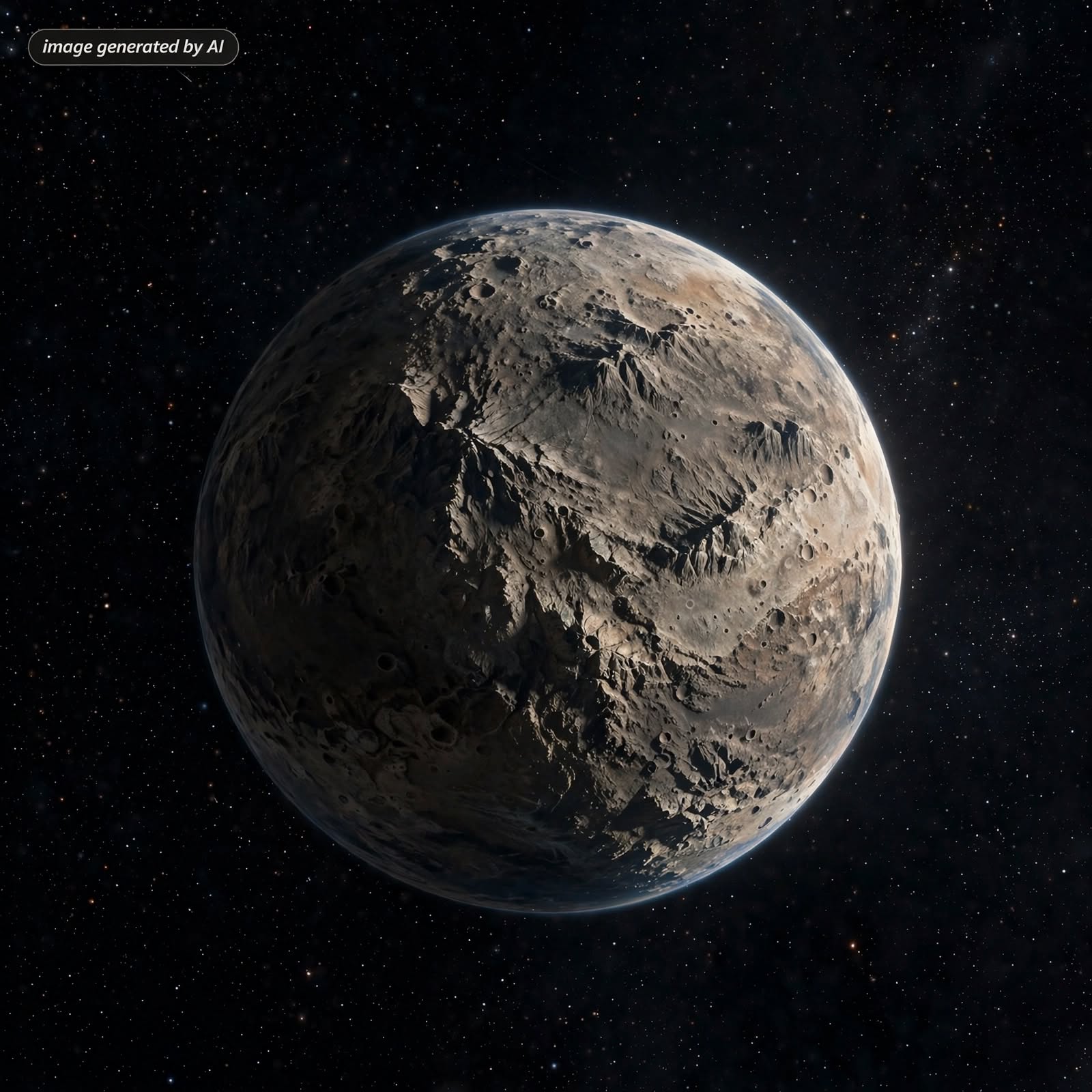
A Lifeless Earth Model Helps Tell Habitable Worlds From Living Ones
Astronomers now have a new way to test whether a distant planet is truly alive or only looks alive. Researchers at the University of Washington built a whole-planet simulation of Earth with one major change and no life at all. The model follows chemicals moving between the core mantle crust surface and atmosphere over five billion years. It predicts how a rocky planet can stay habitable through geology alone without any organisms. A lifeless planet in the model can still hold steady temperatures and keep water-friendly conditions for long periods. That matters because future telescopes will look at exoplanet atmospheres for oxygen ozone and methane. If a lifeless model can explain the air then life is not the only answer. If it cannot explain the air then that planet becomes a stronger candidate for further study.