Gene Switch May Explain Severe Cerebral Malaria
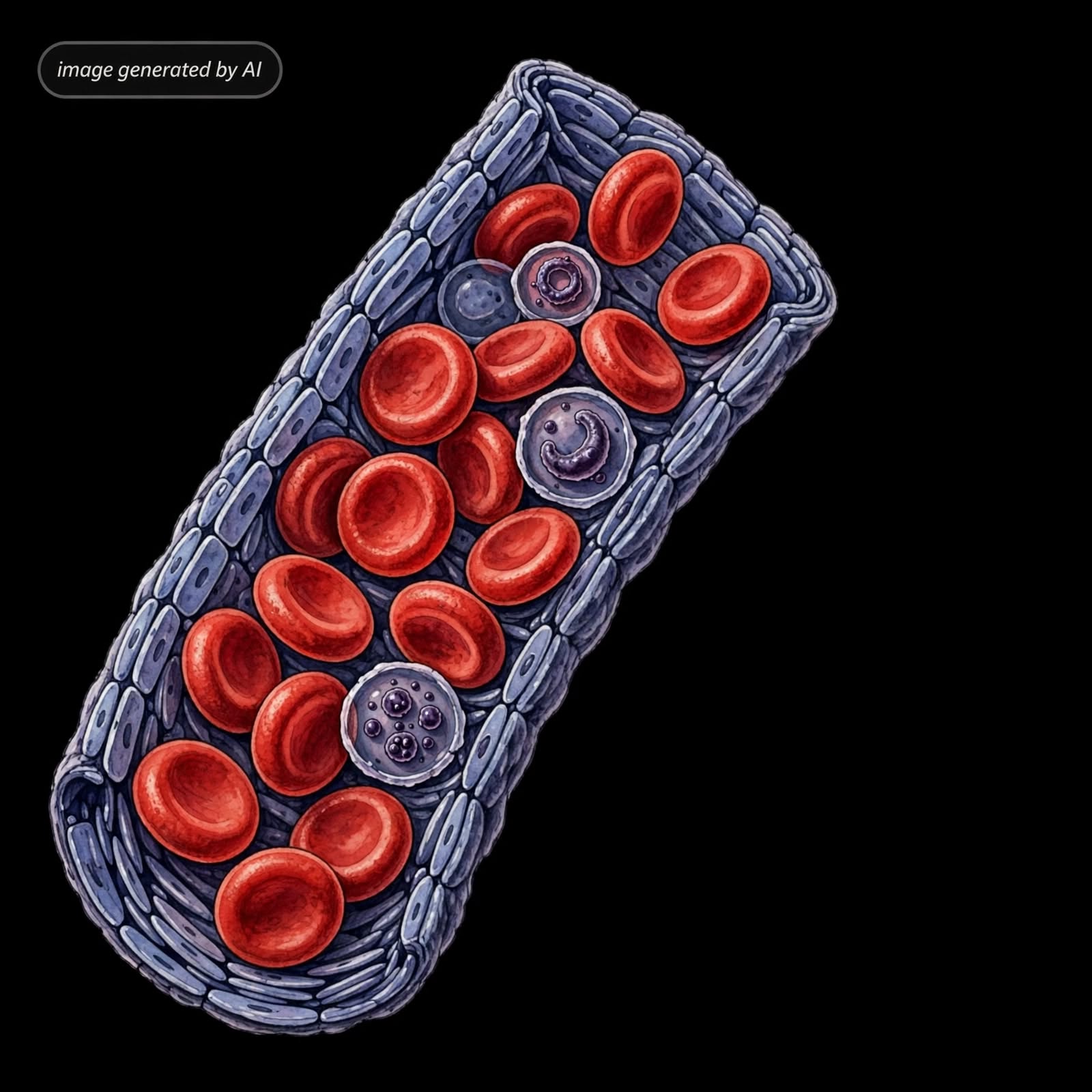
Cerebral malaria is one of the most dangerous forms of malaria and can cause brain swelling and death. Researchers studied case-control samples from Mali and Malawi to understand why some infections turn severe. They found cerebral malaria was linked to increased transcription of var2csa and EPCR-ICAM1 dual binding PfEMP1 proteins. The pattern suggests that var gene regulation itself may drive severe disease, not EPCR binding alone. Malaria parasites use var genes to change surface proteins and evade the immune system. The new findings point to how coordinated switching between these proteins may affect how infected cells stick in brain vessels. Understanding this switch could open new ways to predict, prevent, or treat severe malaria.