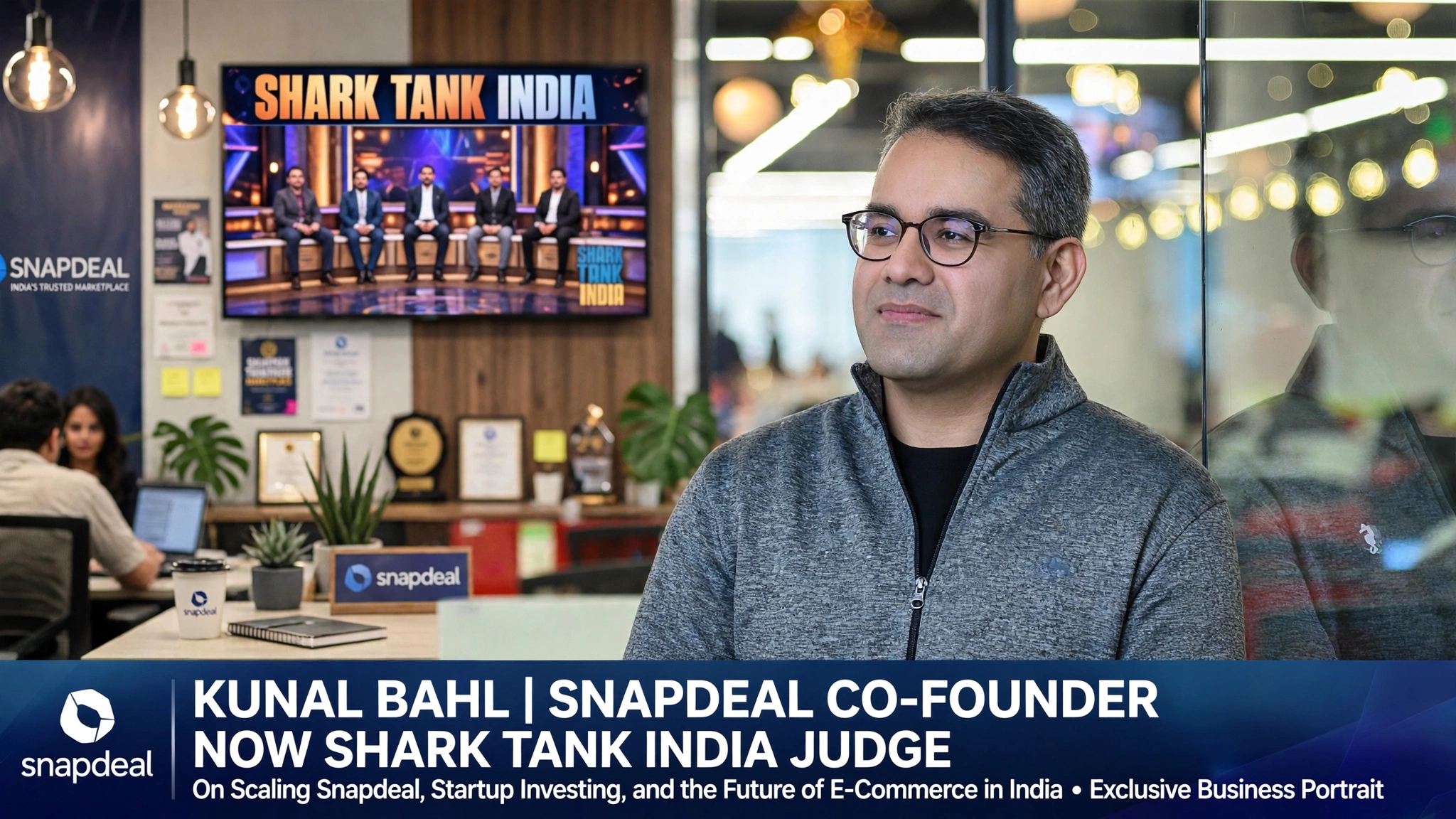
A Rejected Visa in 2007 Pushed a Microsoft Employee to Build Two Public Companies in India
Kunal Bahl grew up in New Delhi then went to the University of Pennsylvania in the United States for a program that blended engineering and business. By the time he graduated in 2006 Google had gone public and Facebook had become viral and the internet economy was taking off. He had business ideas but he could not start a company because of his visa status. He was on an F1 visa and he needed an employer to sponsor his H1B to stay and work in Silicon Valley.
He had interned at Microsoft during his junior year and returned in October 2006 in a fulltime role after graduating. While he waited for his H1B selection he was counting down the days until his Optional Practical Training a temporary yearlong work authorization after graduation would expire.
In June or July of 2007 he got an email that said his H1B petition had been rejected. For a moment he said he did not understand. It was unfathomable to him that if he worked at a company like Microsoft his H1B would not be approved. He checked with the Microsoft team and from their faces he gathered there was a finality to the rejection. The company was nice about it he said suggesting he work in the Microsoft India office and try again for the H1B after a year.
At no point had he considered moving back to India. But he decided that if he went back he would work for himself not for Microsoft. He called his best friend from high school Rohit Bansal who was working in a financial institution at the time. They used to sit next to each other in class and talk about starting a business together. He asked if Bansal wanted to do something together. Bansal said Great lets do it.
Their company was incorporated on September 12 2007 a few days before Bahl touched down in India. Building a startup in India in 2007 was a challenge. The country had very few internet users and smartphones and digital payments were few and far between. Launching a startup was frowned upon. People would ask You guys have a good education so why didnt you get a job Does nobody want to hire you
They started as a physical coupon book business because Indians love a good value. Funding was a challenge angel investors were not common then. They pooled their savings about $60000 in total and that became their seed capital. They stayed with their families for food and accommodation and worked out of a small office in the basement of a residential building in Delhis furniture market. Neighbors complained about people going in and out late because Bahl and Bansal would work 20 hours a day to get the business off the ground.
The company pivoted from an online couponing platform like Groupon to one of Indias first ecommerce platforms called Snapdeal. Now Bahl says they have two publicly listed companies that they spun off from the original coupon book business. In 2011 once they had built up some capital they started investing in earlystage startups and formed Titan Capital. Over the last 15 years they have invested in more than 320 startups many of which have gone public. Bahl 43 cofounder of the Indian digital commerce holding company AceVector Limited and Titan Capital is now also a judge on Shark Tank India.
In hindsight he said not getting the H1B was serendipitous though it hurt at the time. India now has a billion internet users ubiquitous smartphone penetration coworking spaces high talent density and a robust funding ecosystem. There is no better time to come back to India he said. He also said he empathizes with workers facing immigration struggles in the United States especially those with dependents children or parents living with them.