
AI hardware may be taking inspiration from the brain to tackle one of modern computing’s biggest challenges: moving huge amounts of data between memory and processors.
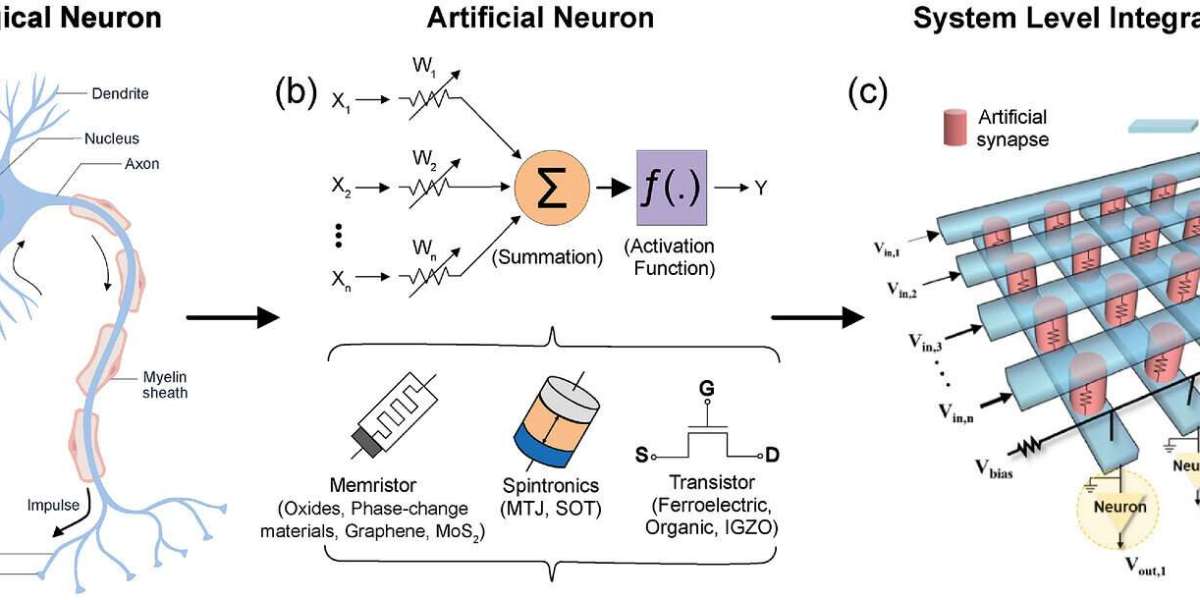
A new Advanced Functional Materials review examines emerging post-CMOS artificial neurons built with technologies such as memristors, spintronic devices, phase-change materials and ferroelectric transistors.
Some experimental devices have demonstrated remarkably low reported energy per spike, but major challenges remain before these technologies can reach large-scale commercial systems.
The goal is promising: build computing hardware that processes information more like biological neural networks while reducing energy and data-movement demands.
Synes godt om


Kommentar
Del