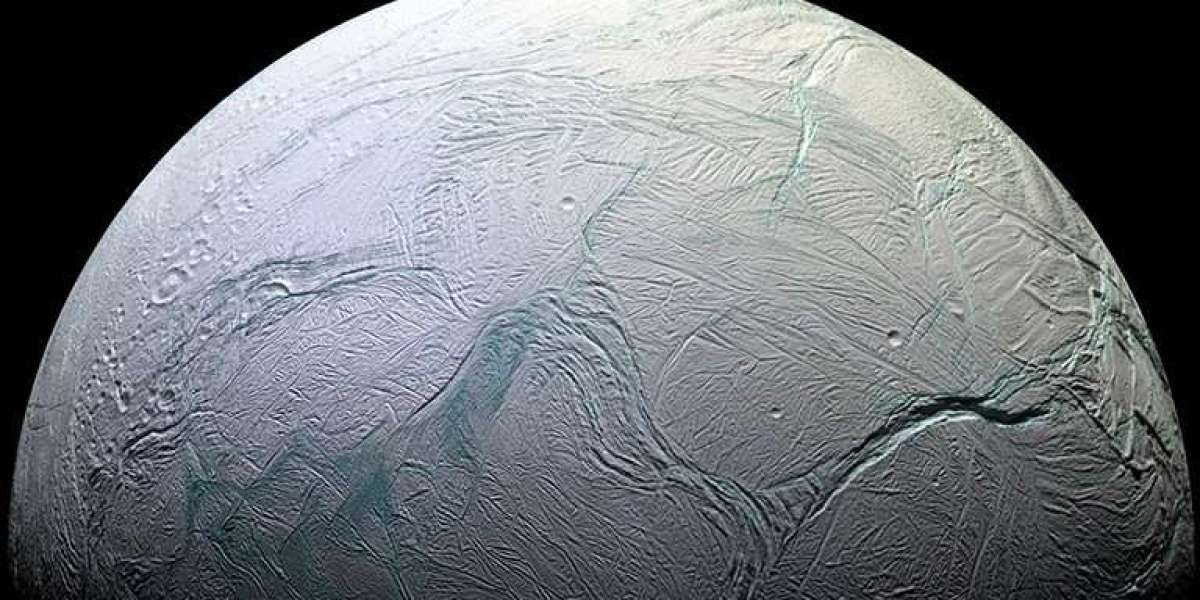
🚀 Could Saturn’s icy moon Enceladus make the search for extraterrestrial life easier?
[image credit: Nasa]
New research based on NASA’s Cassini observations suggests something fascinating: as water from Enceladus’ hidden ocean freezes and breaks apart inside the moon’s icy cracks, salts and organic materials can become separated and concentrated into individual ice grains.
That could give future spacecraft a better chance of detecting potential biosignatures if life exists beneath Enceladus’ ice.
And there’s more: a separate laboratory study found that an Earth microorganism capable of producing methane could continue growing under simulated Enceladus-like conditions.
Scientists have not discovered life on Enceladus — but these findings could help researchers understand where and how to look for evidence.
🌌 The search for life beyond Earth just gained another important clue.