🧠 Could the brain have a cellular “energy switch” that helps distinguish addictive drugs from natural pleasure?
(The information in this article is strictly for general educational and informational purposes and is not a substitute for professional medical advice, diagnosis, or consultation with a doctor.)
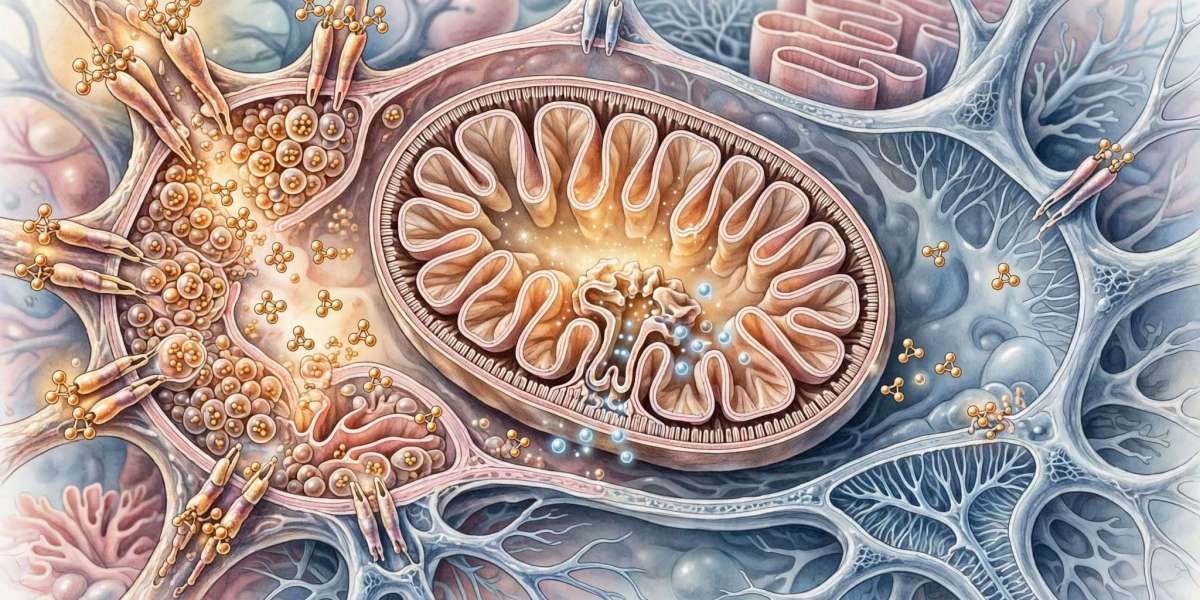
A new study published in Nature Neuroscience has identified a mitochondrial mechanism that appears to play a selective role in drug-related dopamine signaling.
Researchers found that opioids and methamphetamine activated a pathway involving the mitochondrial calcium uniporter (MCU) in dopamine-producing nerve terminals.
But natural rewards did not trigger the same mitochondrial response.
When researchers disrupted MCU in mice, drug-induced dopamine responses and addiction-associated behaviors were reduced, while responses to natural rewards were not similarly affected.
The discovery could give scientists a new direction for studying addiction — one that focuses on the cellular machinery behind drug-related reward rather than simply suppressing dopamine itself.
There is an important limitation: the research was conducted in mice, so it does not yet show that MCU can be targeted safely or effectively to treat addiction in humans.
Still, the findings offer a fascinating look at how mitochondria, cellular energy and the brain's reward system interact.