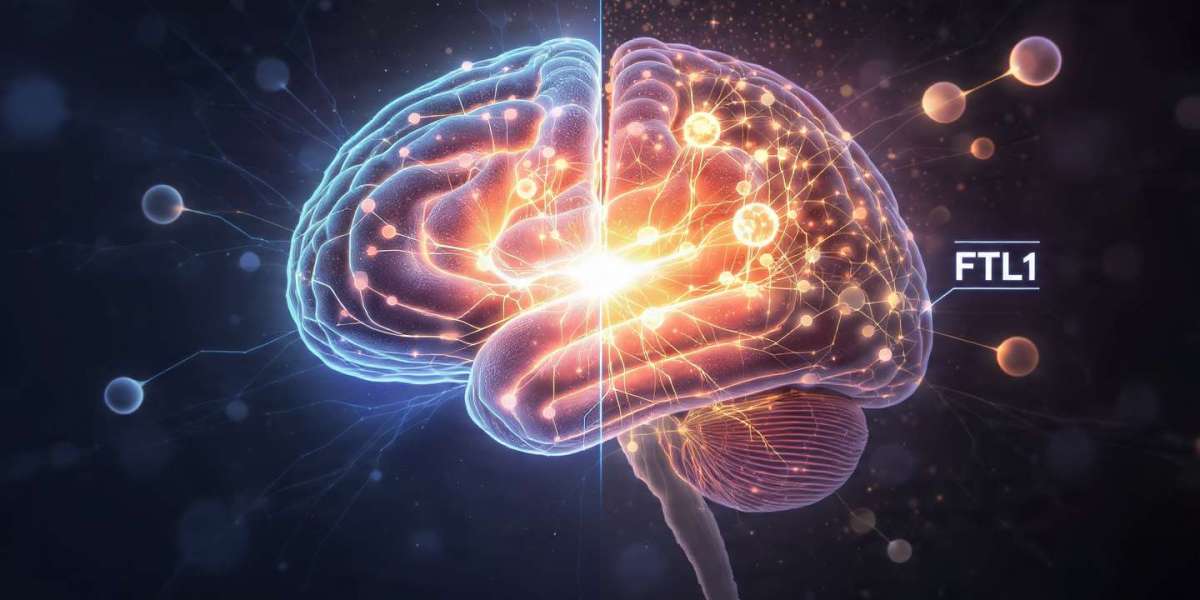
🧠 Scientists have uncovered a major breakthrough in understanding brain aging — and it could change how we think about memory loss forever.
Scientists discover protein linked to brain aging — and a way to reverse memory loss.
A protein called FTL1 has been identified as a key driver of cognitive decline. Higher levels of this protein weaken brain connections and impair memory. But here’s the exciting part: when researchers reduced FTL1 in aging brains, memory and neural connections began to recover.
Even more fascinating, the study found that brain metabolism plays a crucial role. Boosting energy use in brain cells helped prevent the damage caused by FTL1.
This means that future treatments might not just slow aging — they could actually reverse some of its effects.
We may be entering a new era where brain health can be restored, not just preserved.