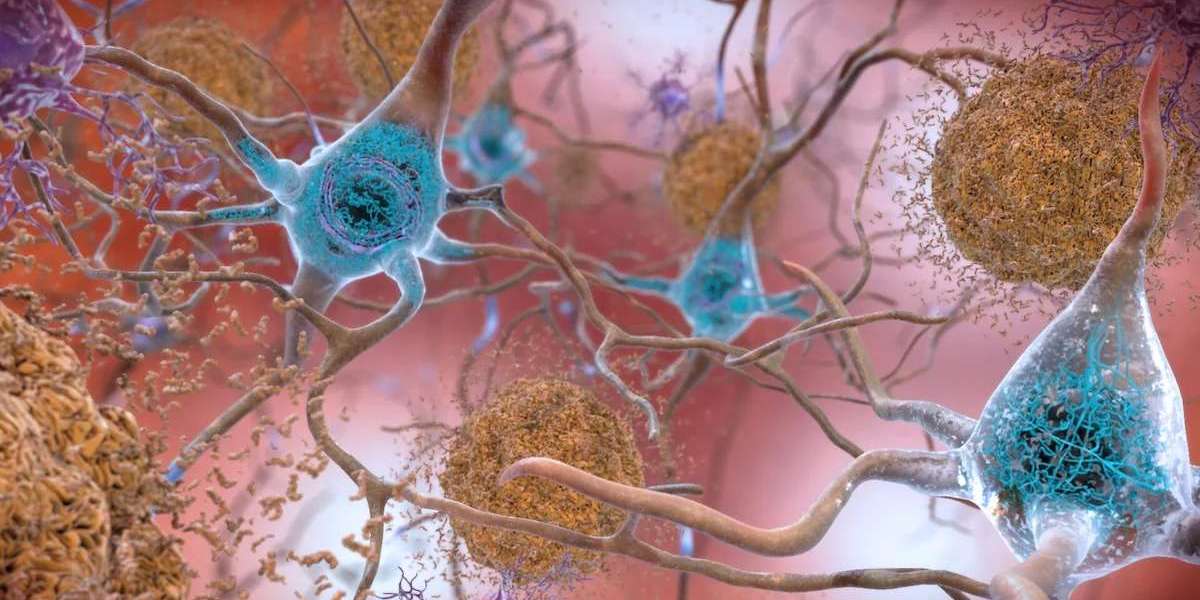
🧠✨ Alzheimer’s Breakthrough: Restoring Memory Through Epigenetics
A groundbreaking new approach in Alzheimer’s research has shown remarkable results in animal studies, offering hope for millions affected by this devastating disease.
Scientists have developed FLAV-27, a novel compound that works differently from current treatments. Instead of only targeting amyloid-beta plaques or tau proteins, FLAV-27 addresses the root causes of Alzheimer’s at the genetic level. It inhibits an enzyme called G9a, which plays a key role in epigenetic regulation—essentially the “switches” that control how genes function in neurons.
In mouse models, FLAV-27 restored memory, social behaviors, and synaptic connections, which are vital for communication between brain cells. Even in nematode worms, it improved mobility, extended lifespan, and boosted cellular energy production.
Current drugs like lecanemab and donanemab can slow cognitive decline by around 30%, but they don’t reverse the disease. FLAV-27 represents a new paradigm in Alzheimer’s therapy, targeting the underlying molecular mechanisms rather than just symptoms.