
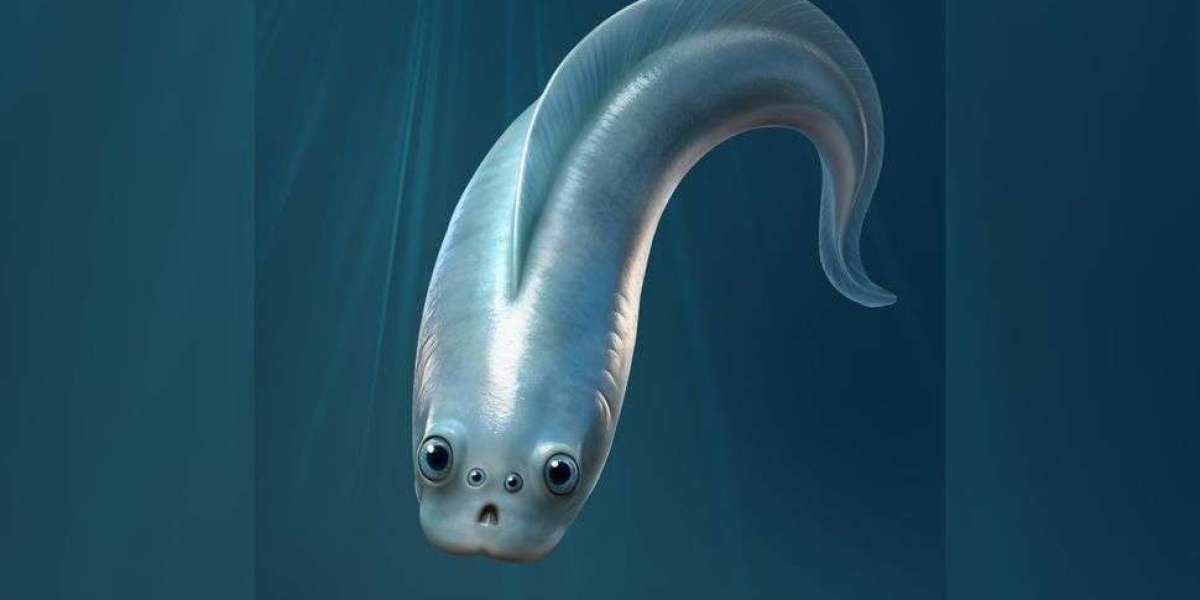
Did you know our earliest vertebrate ancestors had FOUR eyes? 👀👀
Fossils from 518 million years ago reveal that tiny, noodle-like jawless fish used two pairs of fully functional eyes to survive deadly Cambrian predators — and one pair may have evolved into the human pineal gland that helps us sleep today.
Evolution is wilder (and cuter) than we imagined.
The fossils, discovered in the famous Chengjiang fossil beds, belong to primitive vertebrates known as myllokunmingids. These ancient creatures lived during the Cambrian period, a time when complex life rapidly diversified and large marine predators began to dominate the oceans.
Me gusta






Comentario
Compartir