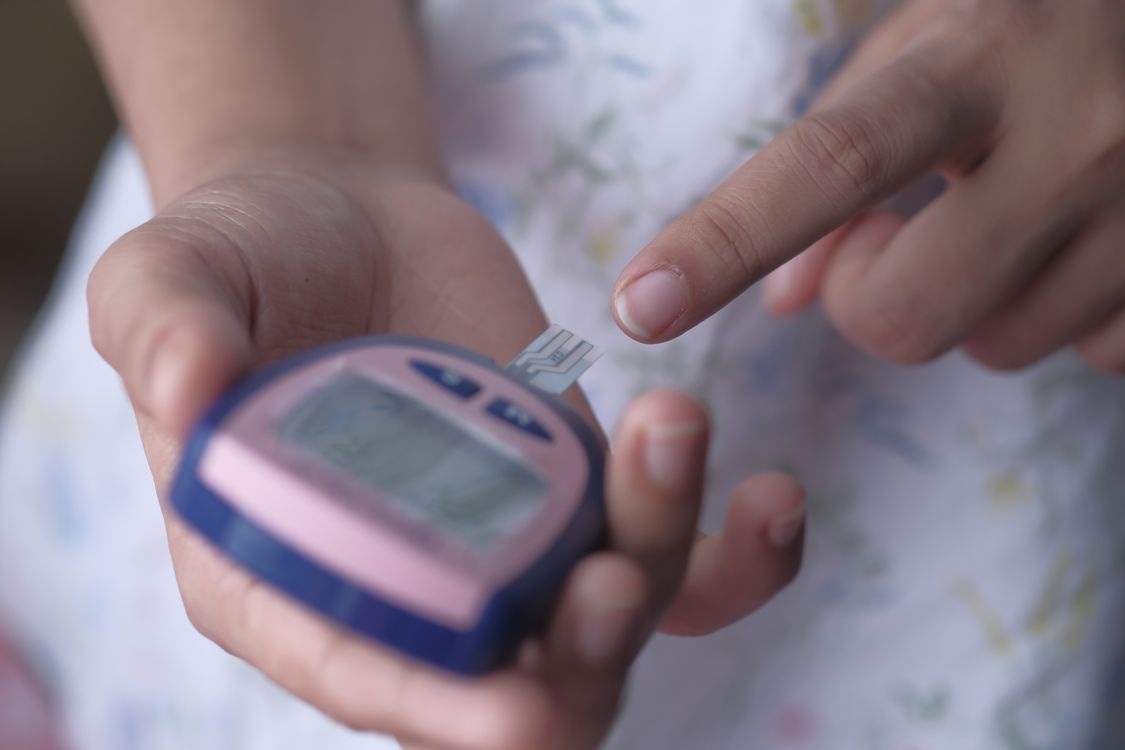
Cheaper Material Could Make Injectable Glucose Sensor More Affordable
Researchers at Texas A and M University have found a lower cost material for an experimental injectable glucose sensor. The team tested a sensing material called beta-mannopentaose. The material costs about one tenth as much as a commonly used alternative and delivered similar performance in laboratory tests. The sensor uses near infrared light and fluorescent molecules to measure glucose without enzymes. It is designed to sit under the skin and track blood sugar continuously. Current monitors can be costly and need frequent replacement, so a cheaper sensing part could lower the barrier for many people with diabetes. The work was published in ACS Measurement Science AU and remains at the proof of concept stage. More testing is needed to show that the sensor works safely and reliably inside the body over long periods.
Image/Video Source: [Pexels]