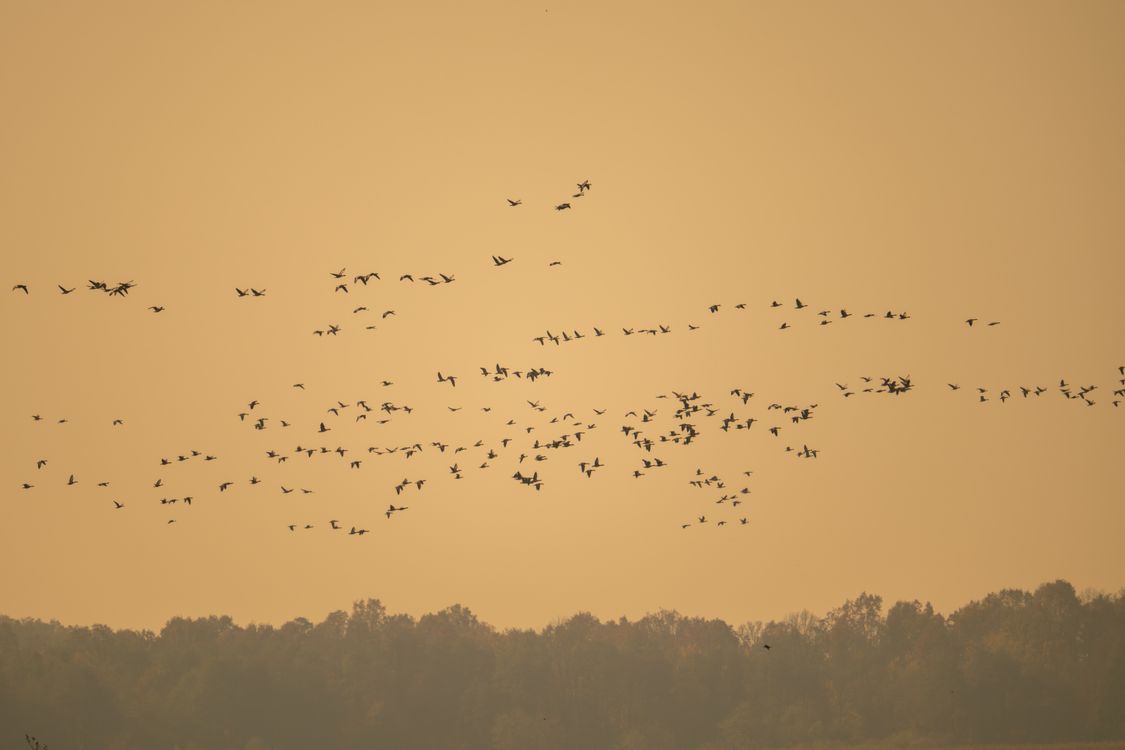
Wave-like Displays in Animal Groups May Have Evolved to Deceive Predators
Some of the most striking waves in nature may have evolved as deception rather than as a simple side effect of group living. In a Perspectives piece in Science, Eduardo Sampaio and Iain Couzin argue that collective displays can confuse predators. When a peregrine falcon attacks starlings, dark bands sweep through the flock about every three-quarters of a second, while sulfur mollies in Mexico dive and resurface in waves that delay attacks by predatory birds. Giant honeybees shimmer their abdomens in waves that drive away hornets, while a hunting cuttlefish sends moving stripes down its body. In each case, the wave travels faster than the animals making it and often repeats or anticipates the strike. The authors say the patterns may exploit limits in how brains process motion, and they call for tests with computer models and virtual reality to learn whether the displays truly evolved because they deceive.
Image/Video Source: [Pexels]