Benzoxaboroles Destroy Key Parasite Protein In Sleeping Sickness Study
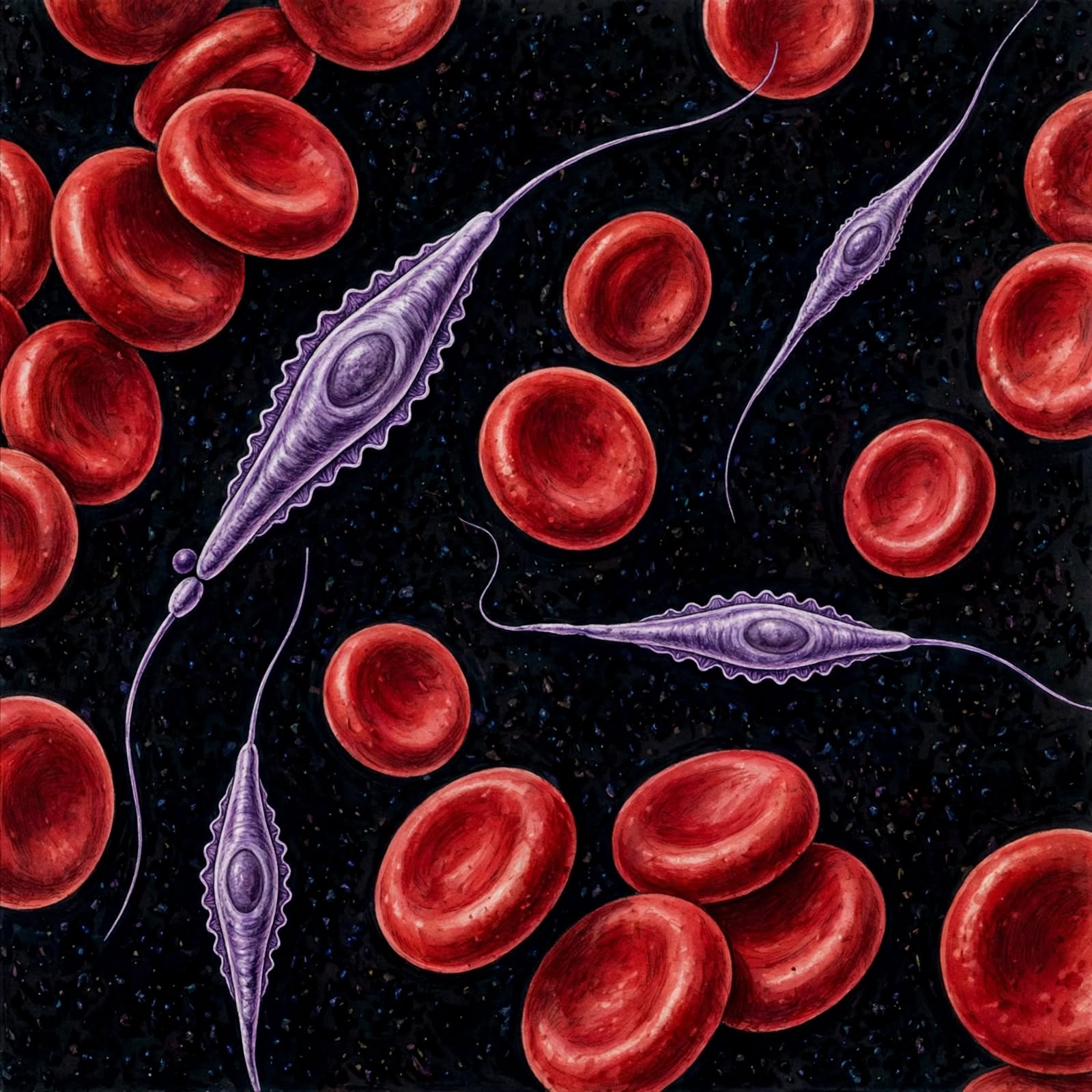
Benzoxaborole drugs have shown a clearer way they attack the parasite that causes African sleeping sickness. Researchers used comprehensive genetic screens in Trypanosoma brucei to trace how the drugs work in detail. They found a link between the boron-based drug scaffold and protein sumoylation genes. After drug exposure, global protein sumoylation rose rapidly and then faded. The drugs then destabilised CPSF3, a protein needed for mRNA processing in the parasite. That breakdown depended on both SUMO and the proteasome, the cell recycling system. Acoziborole and other benzoxaboroles acted rapidly and specifically on CPSF3. The result helps explain a promising drug class and could guide better treatments for trypanosomiasis in future patients.