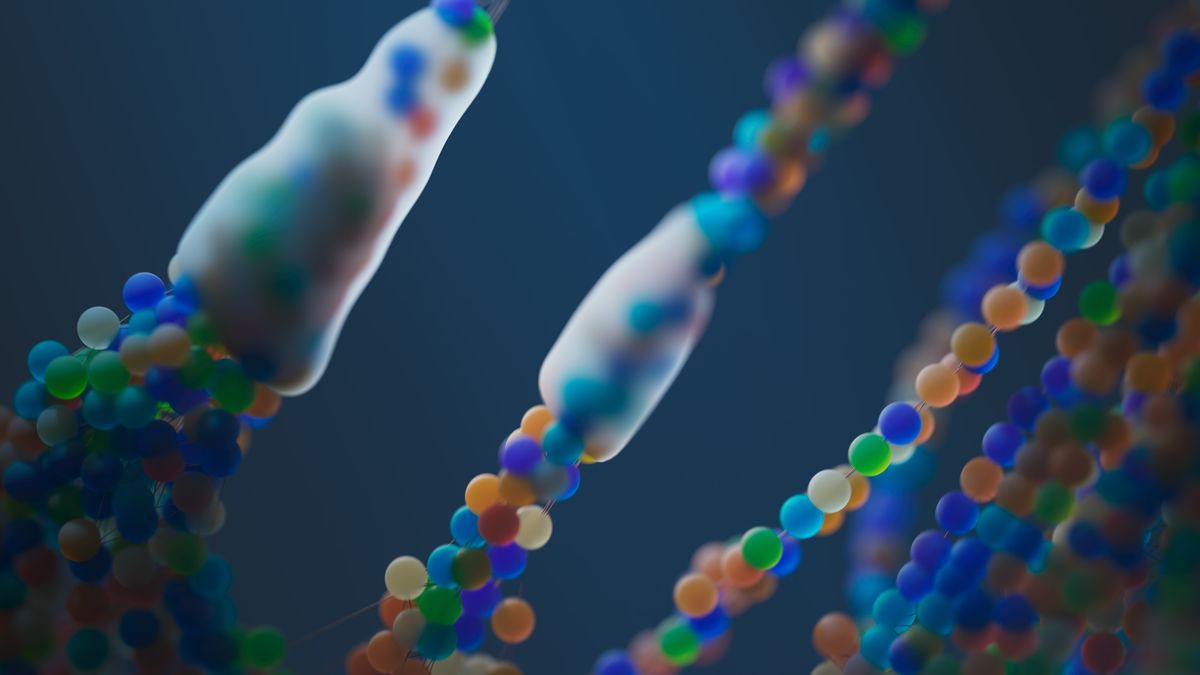
Prime Editing Moves Toward Precise Genome Rewriting
Scientists are turning prime editing into a more reliable way to rewrite DNA without cutting both strands at once. The method pairs a nicking Cas9 enzyme with a reverse transcriptase and a guide RNA that carries the desired edit. That guide directs the cell to copy the new sequence into place while avoiding donor DNA and double strand breaks. A new review from Northwest A and F University traces how later versions improved the enzyme, the guide RNA and control of DNA repair. Newer designs use steadier guide RNAs, flexible targeting and a second nick to favour the edited strand. For larger changes, paired guides and combined systems can now install multi kilobase sequences. The authors say delivery remains the main hurdle because prime editors are large. The work points to future uses in medicine, farming and cell therapy where exact small changes matter most.