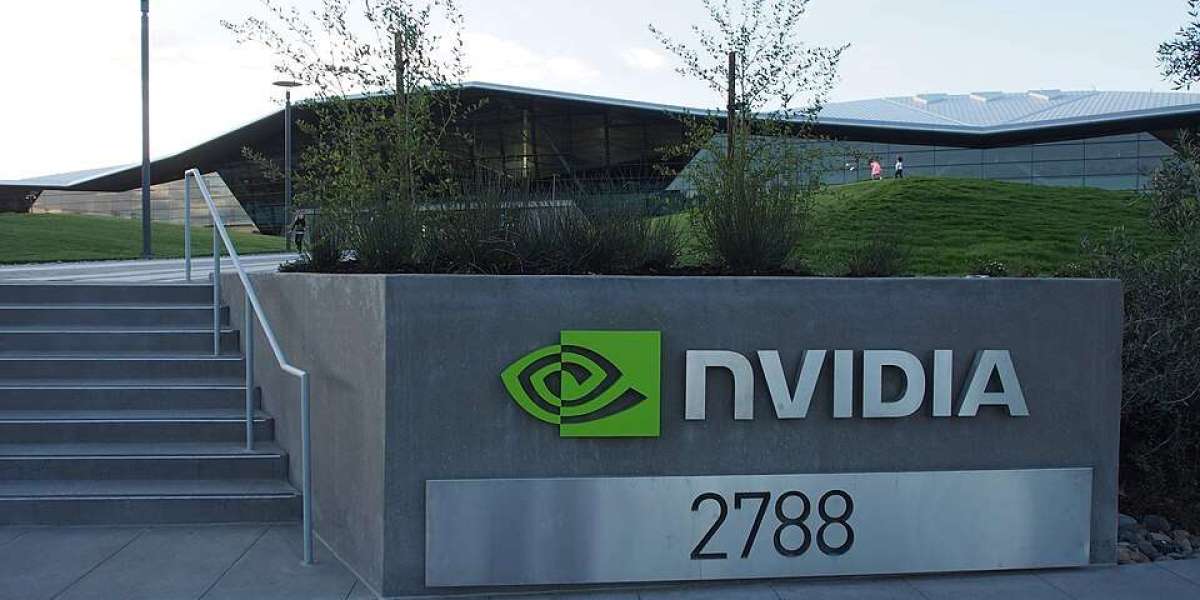

article image source: commons.wikimedia.org (Link)
Nvidia and Broadcom: Analysts See Expanding AI Momentum and Rising Market Potential
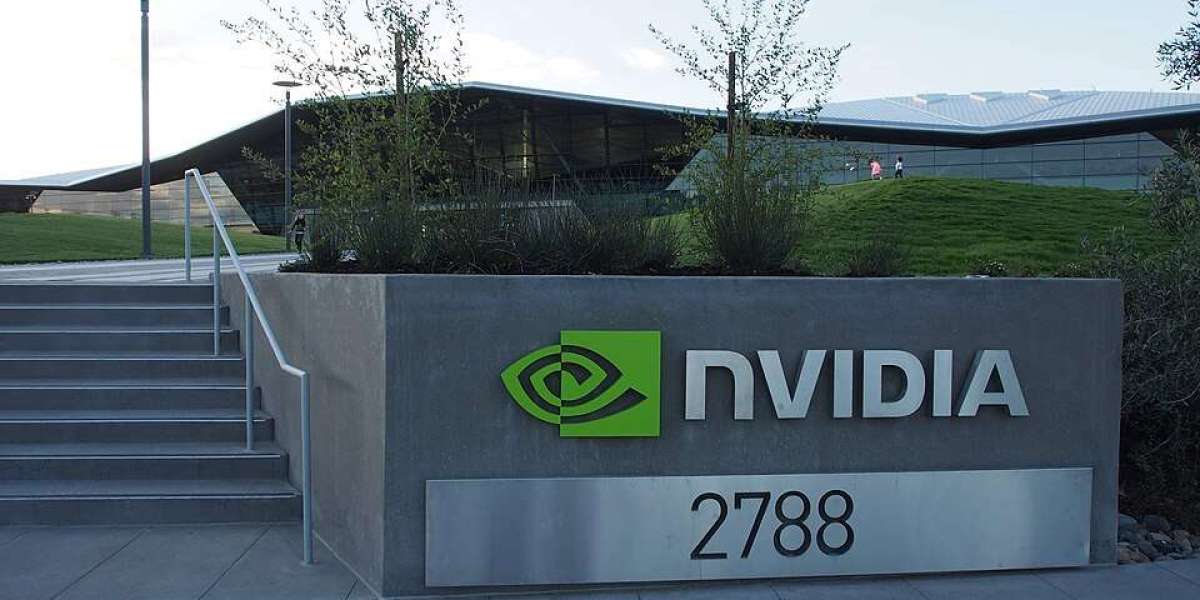
image source: commons.wikimedia.org
Description: A clear and engaging overview of why analysts are raising expectations for Nvidia and Broadcom, the AI-driven forces behind demand surges, supply constraints, and shifts in the semiconductor ecosystem.
advertisement
The Expanding Pull of AI on the Semiconductor Industry
A new wave of optimism is sweeping across the semiconductor sector, driven by the accelerating global demand for AI hardware. According to new insights from Morgan Stanley—following extensive meetings across Asia and the United States—both Nvidia and Broadcom are entering a phase of exceptional momentum, with demand outstripping supply across multiple layers of the industry.
The bank’s analysts report that customers are already struggling to secure enough AI-related components to support rapidly growing workloads. This tightening supply situation is setting the stage for both companies to ramp production meaningfully next year.
Nvidia: Dominance Continues Amid Supply Constraints
Morgan Stanley’s analysts, led by Joseph Moore, maintain that Nvidia remains firmly ahead of its competitors. While some market watchers suggest rising threats from rival chipmakers, Moore argues these concerns are overstated. Instead, customers’ primary worry is not competition—but securing enough Nvidia hardware.
One key factor driving demand is Nvidia’s Vera Rubin platform, which is generating anticipation across the industry. The company’s data center revenues are expected to remain supply-constrained well into 2026, reinforcing the notion that Nvidia’s growth ceiling continues to climb.
Morgan Stanley has raised its price target for Nvidia from $235 to $250, noting that while they remain slightly below the ambitious revenue targets mentioned by Nvidia’s CEO earlier this year, the company’s trajectory is clearly strong.
Broadcom: Rising AI Integration and Expanding ASIC Strength
The report also highlights accelerating demand in Broadcom’s AI business—particularly through its work with Google on the Tensor Processing Unit (TPU) supply chain. Feedback from suppliers across analog, memory, and original design manufacturers indicates upward revisions in TPU builds, with the sharpest increases projected for 2027.
Morgan Stanley increased its price target for Broadcom from $409 to $443, driven by stronger-than-expected projections for ASIC revenue and expanding CoWoS (Chip-on-Wafer-on-Substrate) volume. The bank now expects $27.2 billion in ASIC revenue next year and $59.5 billion the year after.
However, analysts also note a potential long-term risk: Google’s push to develop a homegrown TPU variant with Mediatek. While this could introduce new dynamics, Morgan Stanley stresses that it does not alter their current base-case outlook for Broadcom.
A Semiconductor Ecosystem Under Pressure
The AI surge is tightening capacity across the board—from back-end technologies like CoWoS and high-bandwidth memory to front-end wafer production at 3-, 4-, and 5-nanometer nodes. The industry now faces a growing need for new manufacturing capacity just to keep pace with demand.
Memory markets are tightening at an even faster rate, driven by what analysts describe as a gold rush mentality among cloud providers. General-purpose server CPUs also continue to see strong demand, with AMD gaining share as Intel’s supply growth struggles to keep up.
Meanwhile, companies such as Astera Labs are showing strong forward progress, and the largest U.S. players appear to face limited risk from China’s localization efforts, according to Morgan Stanley’s assessment.
Conclusion: A New Era of AI-Driven Acceleration
The semiconductor landscape is in the midst of a profound shift, propelled by global AI expansion and an unprecedented appetite for advanced computing hardware. Nvidia and Broadcom stand at the center of this transformation—one through its dominant AI acceleration platforms, the other through its integral role in custom silicon and hyperscale infrastructure.
While emerging competitive pressures and new technological partnerships add nuance to their outlooks, the overall message from industry analysts is clear: AI demand is not only reshaping supply chains but also redefining expectations for what these companies can achieve in the coming years.
As the world leans deeper into AI innovation, Nvidia and Broadcom appear poised to help shape the next decade of computing—one constrained not by ambition, but by how quickly the semiconductor industry can build what the future requires.
Sources
Yahoo Finance / Investing.com – Analyst bumps price targets on Nvidia and Broadcom on AI strength across the board
https://finance.yahoo.com/news/analyst-bumps-price-targets-nvidia-125753963.html
Thank you !