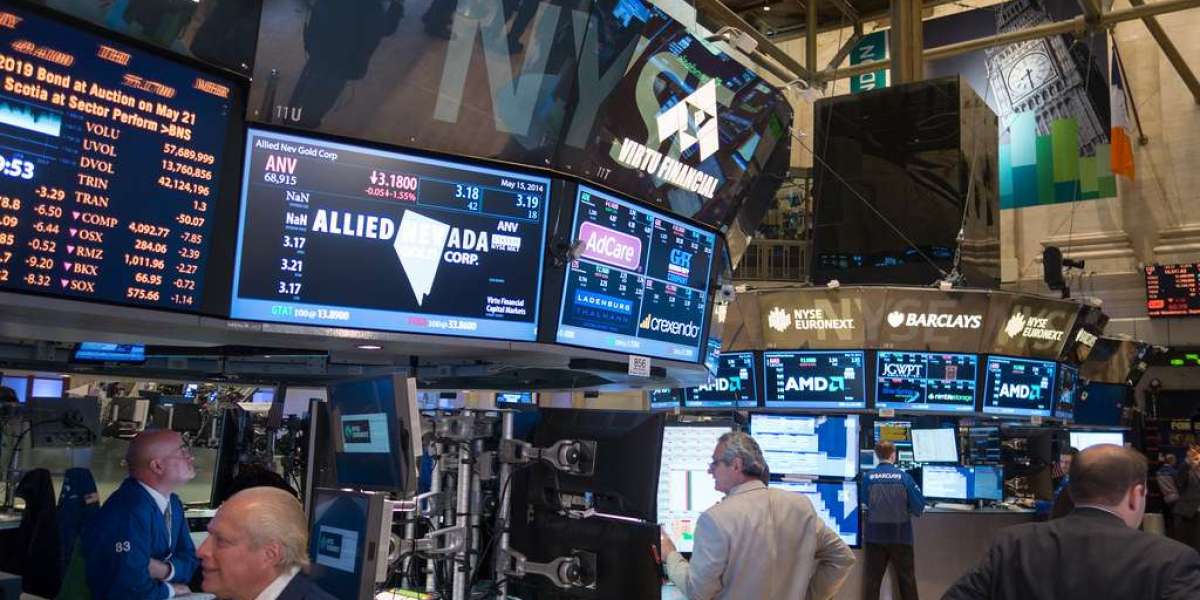

article image source: commons.wikimedia.org (Link)
Understanding Wall Street Indices Amid Market Caution and Crypto Volatility
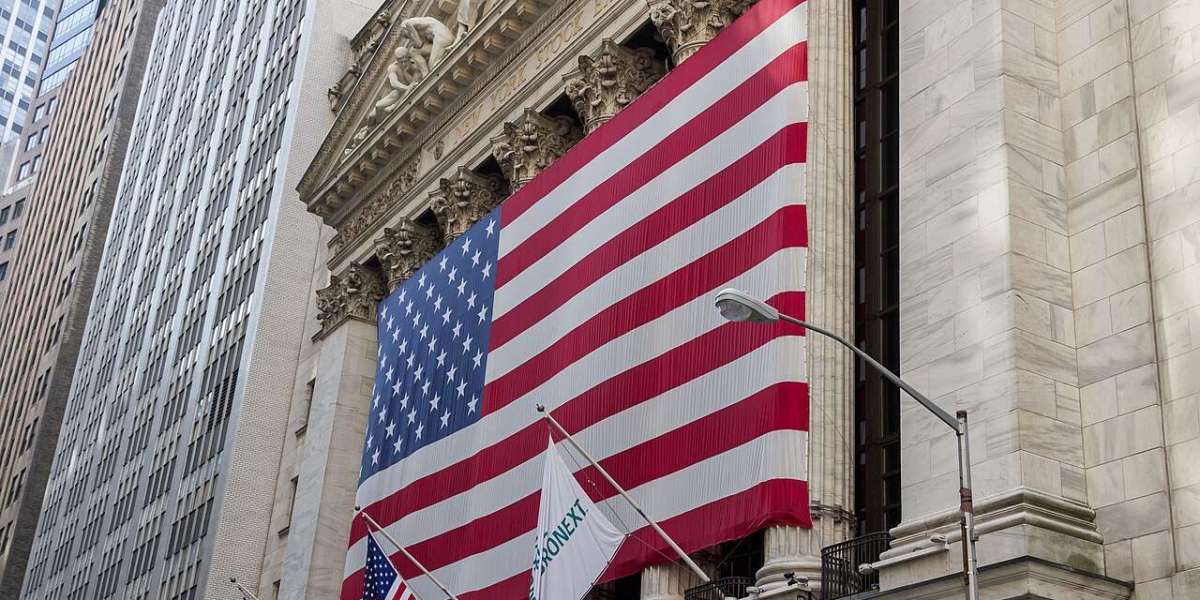
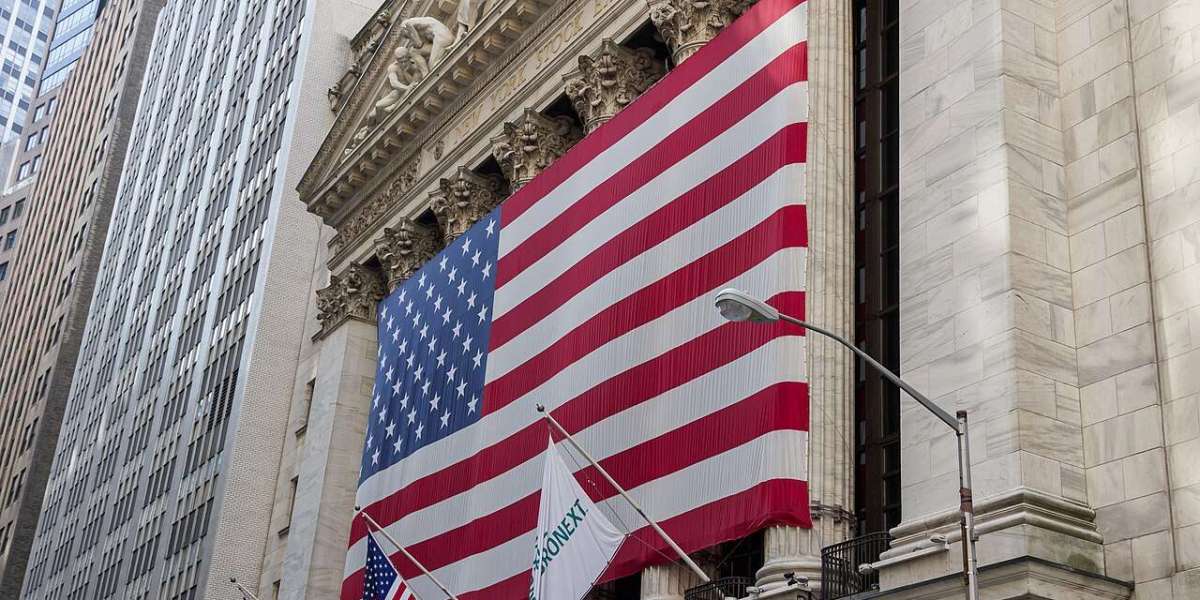
image source: commons.wikimedia.org
A clear and insightful look at how Wall Street indices reacted to rising bond yields, weakening manufacturing data, and dramatic swings in the cryptocurrency market—along with what these signals could mean for monetary policy and investor sentiment.
advertisement
Wall Street Starts the Week on Uneasy Ground
Wall Street’s major indices began the week with a slight pullback as investors faced a combination of rising Treasury yields and fresh economic data hinting at slowing momentum. The market mood was generally cautious, with traders waiting for more clarity on the Federal Reserve’s upcoming policy decisions in December.
During Monday’s session, the Dow Jones Industrial Average, S&P 500, and Nasdaq Composite all edged lower. The pressure came mainly from sectors that tend to be sensitive to changes in interest rates—particularly real estate and utilities, both of which saw declines of more than 1%. According to market commentary, these moves were closely tied to the upward drift in U.S. bond yields, which mirrored similar increases across major global economies.
Crypto Stocks Take a Hit as Bitcoin Retreats
One of the most striking moves in the market came from crypto-related equities. As bitcoin fell roughly 6.5% and dropped below $85,000, the broader crypto market shed over $1 trillion in value from its recent peak. This triggered noticeable declines in companies tied to digital assets—Coinbase and Bitfarms were among the hardest hit, slipping between 5–7%.
A major holder of bitcoin, referred to in reports as Strategy, also saw its stock fall sharply, cutting its earnings forecast for 2025 due to the weaker trend in the cryptocurrency space. These developments highlight how closely traditional markets are beginning to move in sync with digital assets—something analysts continue to watch with interest and concern.
Manufacturing Softens and Investors Eye the Fed
Adding to the market’s cautious tone, new data from an ISM survey indicated that U.S. manufacturing contracted for the ninth consecutive month in November. Factories reported weakening new orders and rising input costs—some of which were attributed to tariffs.
This economic slowdown comes at a delicate moment for the Federal Reserve, which is preparing for a key meeting in December. Investors are digesting mixed signals: while many Fed officials have expressed cautious outlooks, other voices and recent economic considerations have encouraged speculation that a rate cut could be on the table.
Traders currently estimate an 87.6% probability of a 25-basis-point rate cut—nearly twice the likelihood priced in just a month earlier. However, not everyone agrees on how the Fed will proceed. Some believe policymakers may hesitate due to gaps in recent inflation data caused by a government shutdown, while others think Chair Jerome Powell might opt to cut rates now and adopt a more hawkish tone afterward. These differing perspectives reflect broader market uncertainty about the Fed’s true near-term direction.
Corporate Moves and Sector Highlights
Outside of macroeconomic developments, several notable company-specific stories shaped Monday’s trading session:
Big-box retailers drew attention as Cyber Monday spending was projected to reach $14.2 billion. Walmart and Target saw modest gains as online shopping ramped up.
Tesla continued to face pressure, with new registrations in key European markets dropping compared to last year.
Synopsys climbed over 3% after Nvidia announced a $2 billion investment in the semiconductor design firm—another sign of the ongoing momentum in AI-related industries.
Market breadth, however, leaned negative, with declining stocks outnumbering gainers across both the NYSE and Nasdaq.
Conclusion: Navigating a Market Caught Between Uncertainty and Opportunity
The latest movements in Wall Street indices reflect a market trying to balance several competing forces—rising yields, weakening industrial activity, evolving expectations for monetary policy, and sharp volatility in crypto assets. While the path ahead remains uncertain, especially with the Federal Reserve preparing to clarify its stance, the current environment also reveals the resilience and adaptability of the financial landscape.
For investors, this moment offers an opportunity to step back, evaluate long-term strategies, and stay open to shifts across both traditional and emerging asset classes. Periods of turbulence often precede periods of renewed momentum—what matters most is staying informed, flexible, and engaged as the story continues to unfold.
Sources
Investing.com – Wall Street slips as yields rise, crypto stocks tumble
https://www.investing.com/news/economy-news/wall-st-futures-drop-on-caution-ahead-of-data-powells-remarks-4383359
Thank you !